
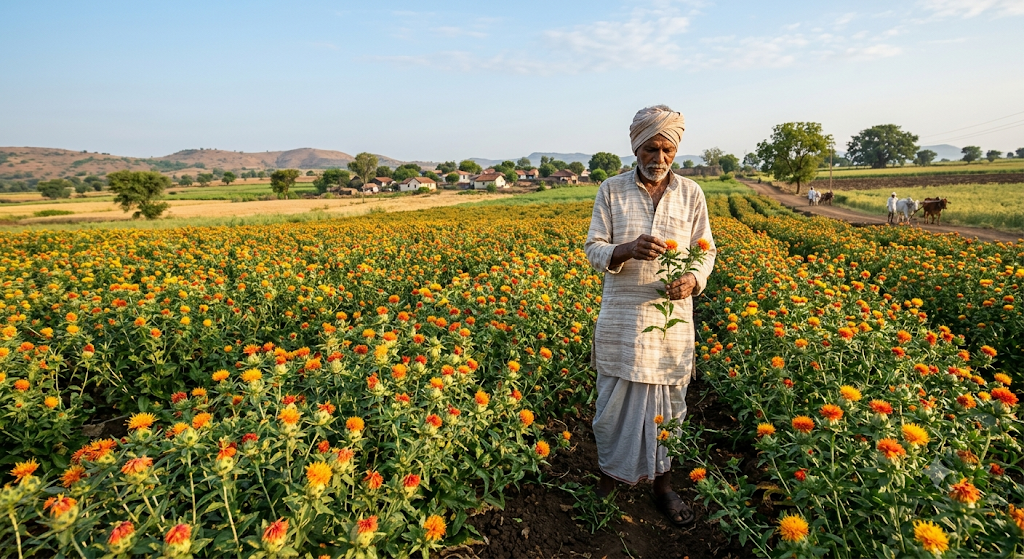
Safflower Farming: 7 Easy, Essential Steps for Kusum Profit
Safflower farming is the cultivation of kusum (Carthamus tinctorius), a rabi oilseed that grows on residual soil moisture and is
We cover a wide range of topics related to traditional and modern crop production, organic farming, soil health, irrigation techniques, and sustainable agricultural practices. Whether you’re growing cereals, pulses, fruits, or vegetables — FarmSutras brings you region-specific advice and seasonal tips to increase yield and protect your land.
Safflower farming is the cultivation of kusum (Carthamus tinctorius), a rabi oilseed that grows on residual soil moisture and is
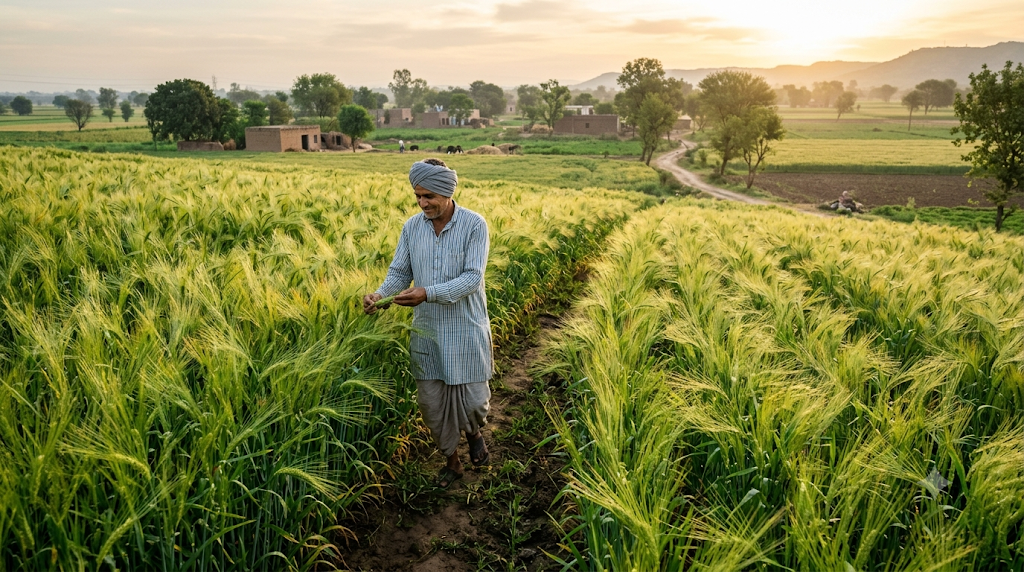
Barley farming in the north Indian plains starts with sowing certified, fungicide-treated seed in rows about 22–23 cm apart in
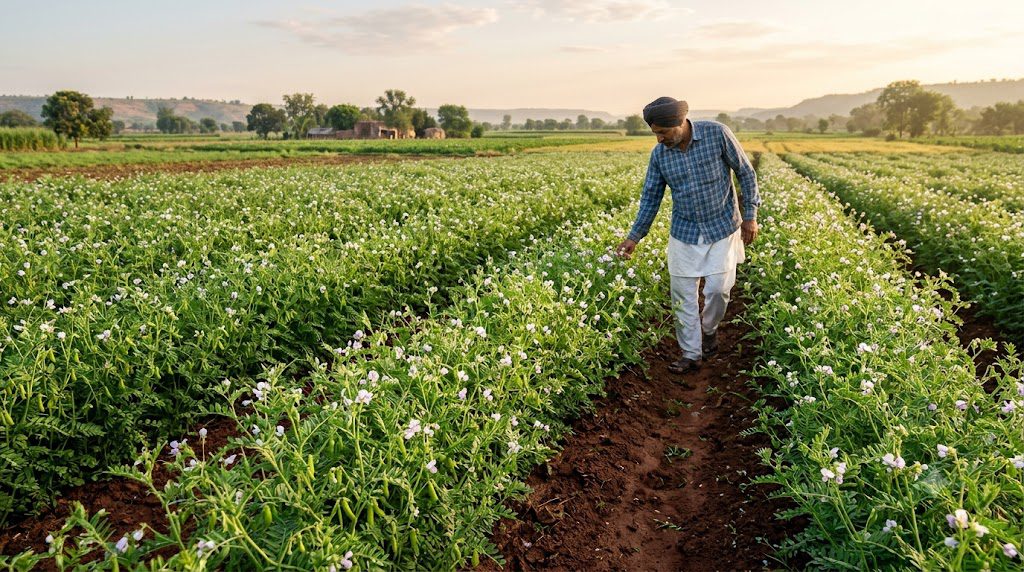
Masoor farming is the cultivation of lentil, a cool-season rabi pulse sown from mid-October to mid-November in north India. It
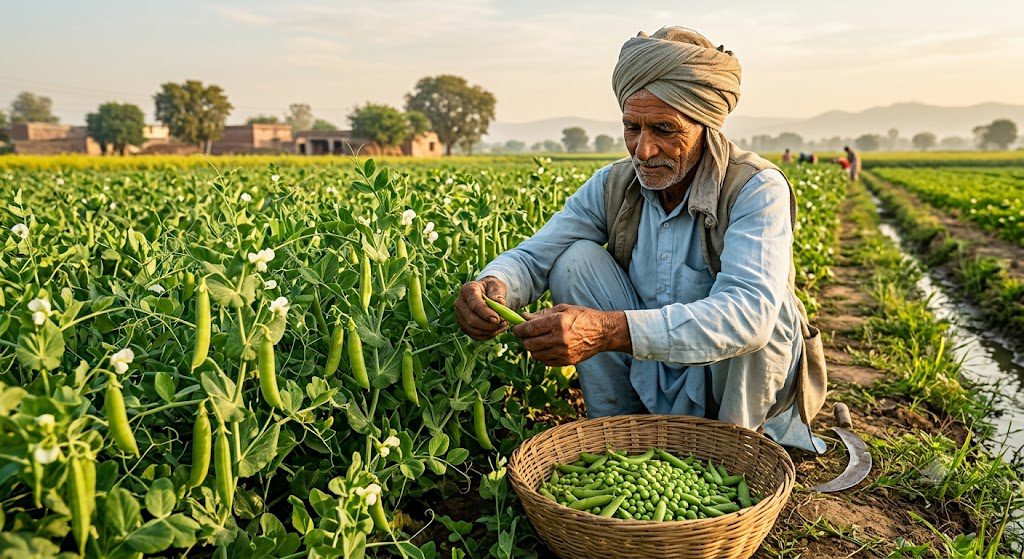
Pea farming in the north Indian plains starts with sowing treated seed in rows between mid-October and mid-November, when temperatures
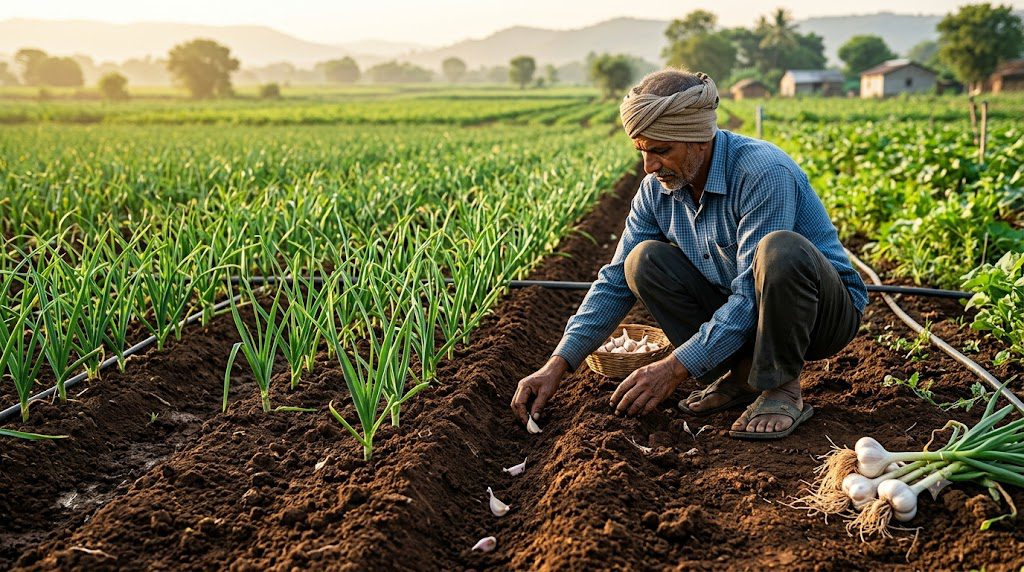
Garlic farming in the north Indian plains starts with planting cloves in October–November on well-drained loam, at about 15 ×
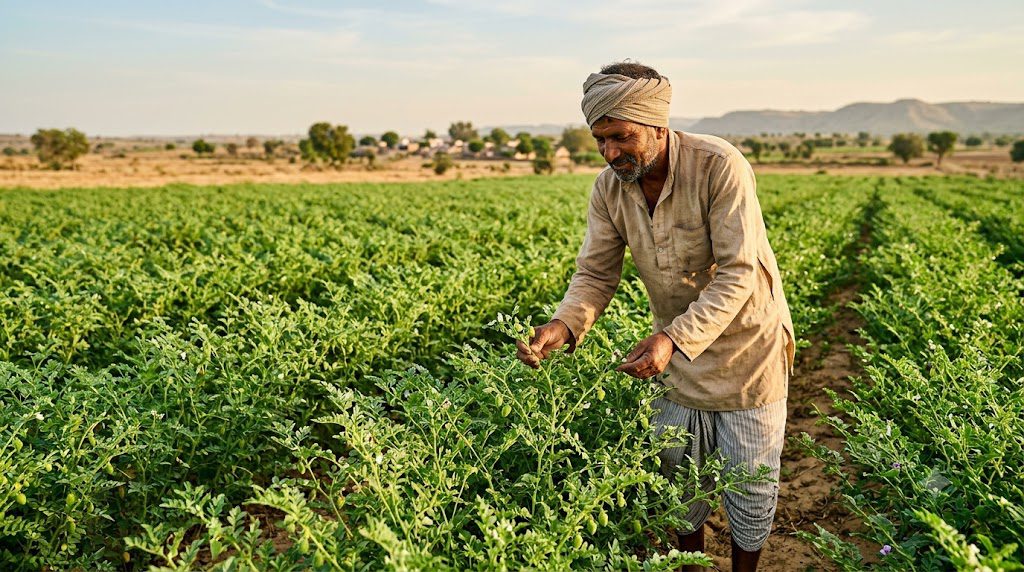
Chana farming is the cultivation of chickpea (Bengal gram), a rabi pulse sown from mid-October to mid-November in north India
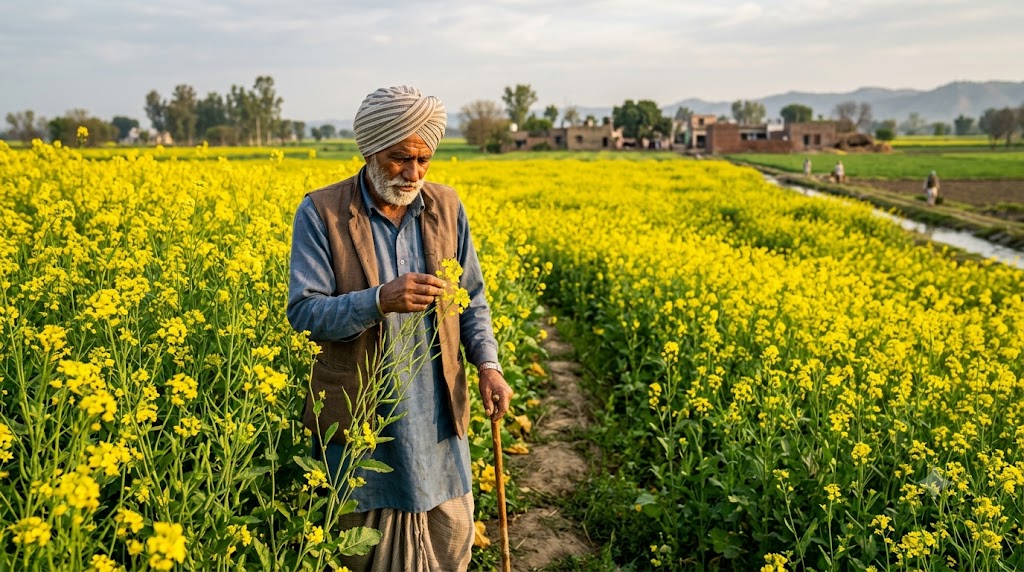
Mustard farming is the cultivation of Indian mustard (sarson, rai), India’s main winter oilseed, which gives edible oil, oilcake for
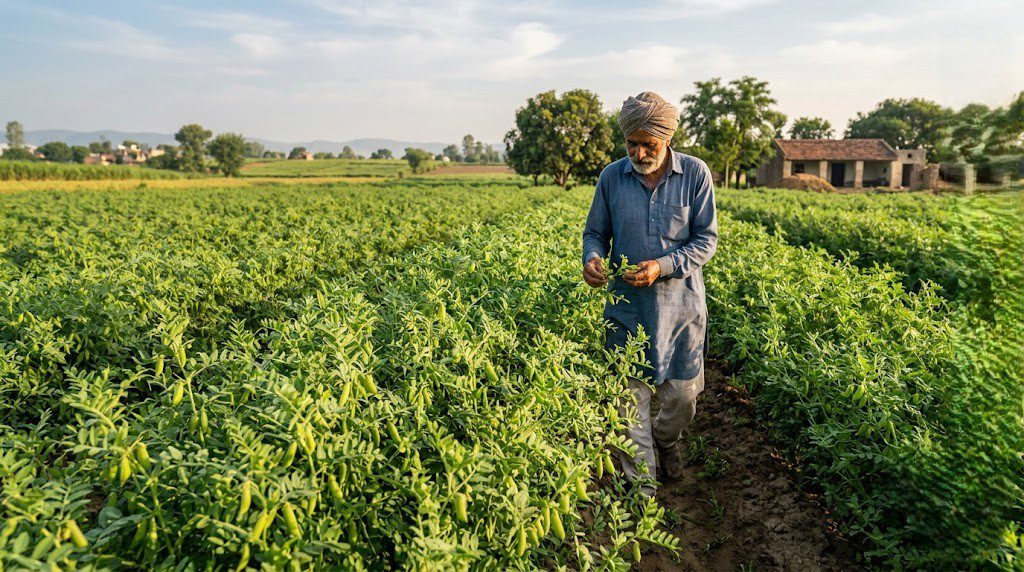
Lentil farming is the cultivation of masur, a cool-season rabi pulse that fixes its own nitrogen, manages with little water,
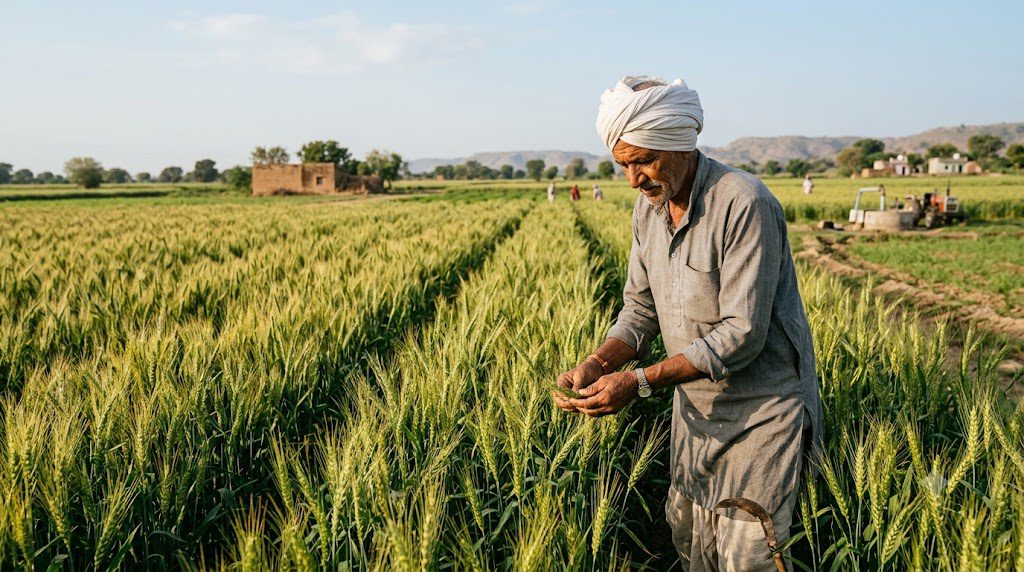
The names of rabi crops are wheat, barley, gram (chana), lentil (masur), field pea, rapeseed-mustard (sarson), linseed and safflower, plus