
Table of Contents
Nano fertilizer is reshaping how crops get fed, and 2026 is the year it moved from pilot programs to mainstream farm input. Instead of spreading large granules of urea or DAP across a field and losing much of it to runoff and evaporation, a foliar formulation delivers nutrients in particles small enough to be absorbed directly through plant leaves.
This guide explains what nano fertilizer actually is, how Nano Urea and Nano DAP differ from conventional fertilizer, what the real yield and cost data shows, and where farmers should stay cautious before switching over completely.
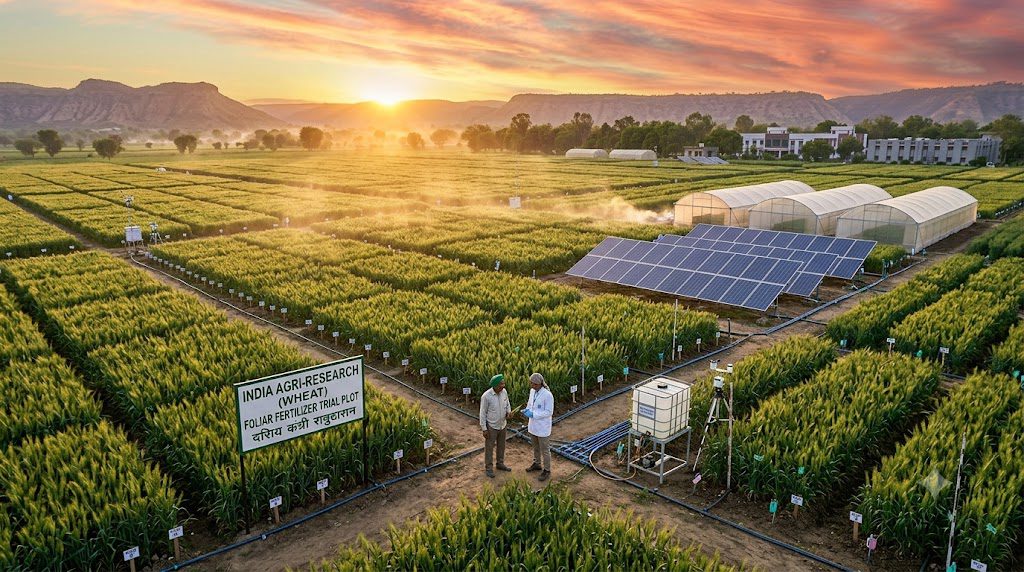
Nano fertilizer is a nutrient formulation engineered at the nanoscale particles typically smaller than 100 nanometers designed to be absorbed directly through a plant’s leaf stomata rather than through soil uptake by roots.
The most widely adopted form is liquid nano fertilizer, sold in small bottles and applied as a foliar spray, in contrast to the large 45-kg sacks of granular urea most farmers are used to handling. A single 500 ml bottle is often marketed as replacing one full bag of conventional urea for an equivalent area.
What Is Nano Fertilizer?
Nano fertilizer is a nutrient formulation engineered at the nanoscale particles typically smaller than 100 nanometers designed to be absorbed directly through a plant’s leaf stomata rather than through soil uptake by roots.
The most widely adopted form is liquid nano fertilizer, sold in small bottles and applied as a foliar spray, in contrast to the large 45-kg sacks of granular urea most farmers are used to handling. A single 500 ml bottle is often marketed as replacing one full bag of conventional urea for an equivalent area.
The two commercial products driving most of this adoption are:
- Nano Urea : a nitrogen-based nano fertilizer, developed and commercialized at scale by the Indian Farmers Fertiliser Cooperative (IFFCO)
- Nano DAP : a nano fertilizer supplying phosphorus, aimed at replacing conventional diammonium phosphate (DAP)
Both are designed to reduce the sheer physical volume of fertilizer needed while targeting the same nutrient outcome.
Why Nano Fertilizer Is Trending in 2026
Several forces are pushing nano fertilizer into mainstream conversation this year.
1. Conventional fertilizer subsidy costs are unsustainable. Governments spend enormous sums subsidizing bulk urea, and the smaller volume requirement offers a path to reduce that fiscal burden without cutting farmer support.
2. Nutrient use efficiency in conventional fertilizer is poor. A significant share of nitrogen applied as granular urea is lost to volatilization, leaching, and runoff before the plant ever absorbs it a foliar spray bypasses much of that loss pathway.
3. Manufacturing capacity has scaled up. IFFCO and other fertilizer cooperatives have moved the product from pilot plants to full commercial production lines, making supply far more available than it was even two years ago.
4. Soil health concerns are pushing farmers to look for alternatives. Decades of heavy granular fertilizer use have degraded soil microbial activity in many regions, and the lower bulk application is being positioned as gentler on long-term soil structure.
5. Transport and storage costs favor the lighter format. A crate of small bottles is dramatically cheaper to transport and store than the equivalent tonnage of bagged urea, which matters for farmers in remote areas.
How Nano Fertilizer Works Inside the Plant
The functional advantage of nano fertilizer comes down to particle size and delivery method.
- Foliar application: Nano fertilizer is diluted with water and sprayed directly onto leaf surfaces rather than applied to soil.
- Stomatal entry: Because the particles are smaller than a leaf’s stomatal openings, they can pass directly into leaf tissue rather than needing root-zone soil absorption.
- Systemic distribution: Once inside, the nutrient moves through the plant’s vascular system, reaching areas of active growth more directly than soil-applied nutrients that must first be taken up by roots.
- Reduced environmental loss: Because the treatment isn’t sitting exposed on soil, it avoids much of the volatilization and leaching loss that affects granular urea, particularly in high-rainfall or high-temperature conditions.
Research from ICAR and international agricultural science journals has documented that combining nano fertilizer with a reduced dose of conventional fertilizer can maintain yields while cutting total nitrogen input meaningfully though results vary by crop and region.

Nano Urea vs Nano DAP vs Conventional Fertilizer
| Factor | Nano Urea | Nano DAP | Conventional Granular Fertilizer |
|---|---|---|---|
| Primary nutrient | Nitrogen | Phosphorus | Nitrogen / Phosphorus (varies) |
| Application method | Foliar spray | Foliar spray | Soil broadcast |
| Typical pack size | 500 ml bottle | 500 ml bottle | 45–50 kg bag |
| Nutrient use efficiency | Higher | Higher | Lower |
| Transport and storage cost | Low | Low | High |
| Soil residue buildup | Minimal | Minimal | Higher over time |
This comparison is precisely why nano fertilizer is being positioned as a complement to, and in some cases partial replacement for, conventional inputs rather than a total substitute in every situation.
What Field Trials Actually Show About Nano Fertilizer
Marketing claims are one thing; independent field data is another, and it’s worth separating the two before deciding how much to trust the product on your own land.
Multi-location trials conducted across different agro-climatic zones have generally found that combining a reduced dose of conventional nitrogen fertilizer with a foliar supplement can maintain yields comparable to a full conventional dose, while cutting total nitrogen applied by a meaningful margin. This pattern shows up consistently enough across wheat, rice, and maize studies that agricultural scientists treat it as a reasonably established finding, even as they continue refining the exact optimal ratios.
Where the data gets more mixed is in standalone use trials that tested nano fertilizer entirely on its own, without any conventional fertilizer base, have shown more variable results depending on soil type, existing soil nutrient reserves, and crop variety. Some plots performed comparably to conventional treatment; others underperformed, particularly on nutrient-depleted soils where a foliar-only nitrogen source couldn’t fully compensate for a genuinely poor baseline soil nutrient status.
The practical takeaway for a working farm: the evidence base is strongest for nano fertilizer as a partial-replacement, combined-use strategy, not as a complete standalone system, at least with the data currently available. Farmers who have seen the biggest, most consistent gains are generally the ones treating it as an efficiency multiplier layered onto sound baseline soil fertility management, not a replacement for it.
It’s also worth noting that most large-scale trial data so far comes from a relatively narrow set of staple crops and a handful of countries running aggressive rollout programs. If you’re farming a crop or in a region with limited local trial history, treat early results on your own field as exploratory rather than assuming the national-level averages will transfer directly.
9 Powerful Benefits of Nano Fertilizer
Here is what a well-timed nano fertilizer application can realistically deliver on a working farm.
- Reduced nitrogen requirement. Field trials have shown nano fertilizer, used alongside a reduced dose of conventional urea, can cut total nitrogen fertilizer use by up to 25% while maintaining comparable yields.
- Lower transport and storage burden. A few bottles replace what would otherwise require multiple heavy sacks, cutting logistics costs meaningfully for remote or smallholder farms.
- Improved nutrient use efficiency. Because the product enters through leaf tissue directly, less of the applied nutrient is wasted compared to soil-broadcast granular fertilizer.
- Reduced groundwater contamination risk. Lower soil-applied nitrogen volume means less nitrate leaching into groundwater over time.
- Lower greenhouse gas footprint. Reduced nitrogen loss to the atmosphere as nitrous oxide is one environmental benefit cited in agricultural research on adoption.
- Compatibility with existing spray equipment. Most farms already own the sprayers needed to apply the product, avoiding new equipment costs.
- Faster visible plant response in some crops. Foliar-absorbed nutrients from the treatment can show visible greening and growth response more quickly than soil-applied fertilizer in certain conditions.
- Reduced soil salinity buildup. Lower bulk chemical application over time may reduce the salt accumulation associated with repeated heavy granular fertilizer use.
- Support for input-cost reduction goals. For farmers trying to lower overall input spend without abandoning modern fertilization entirely, the product offers a middle path between conventional chemical farming and a full transition to organic methods.
Nano Fertilizer Cost and Where to Buy It
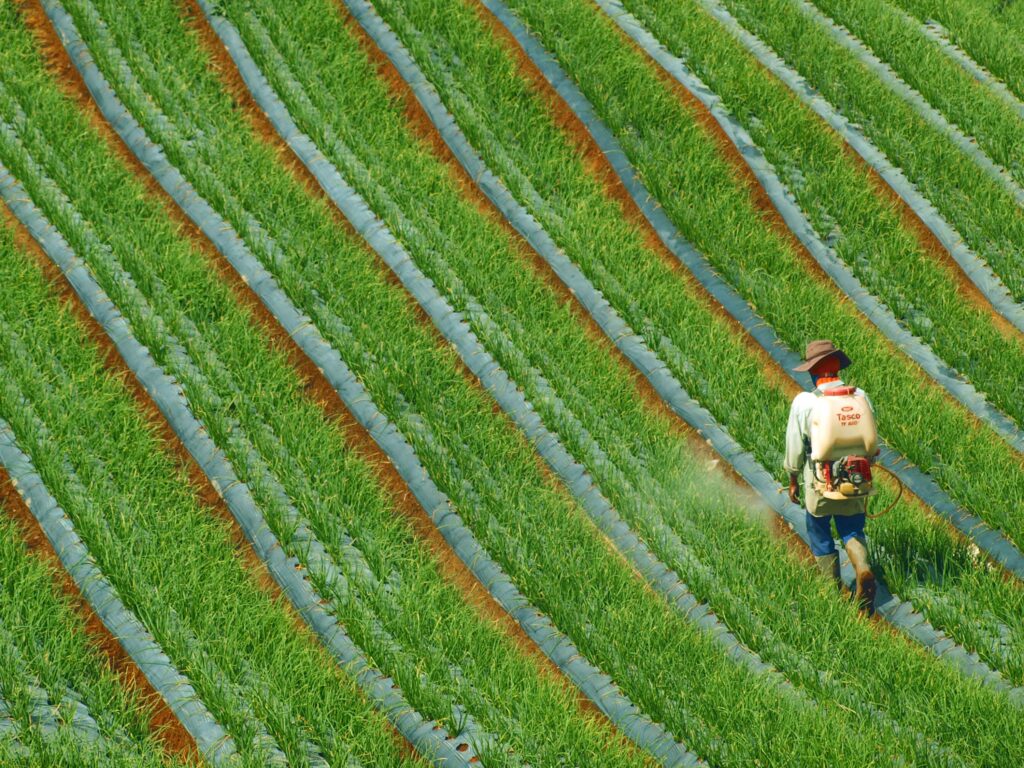
This formulation is priced per bottle rather than per bag, which changes how farmers should think about cost comparisons.
| Product | Typical Pack Size | Approximate Price Range | Coverage Claim |
|---|---|---|---|
| Nano Urea (liquid) | 500 ml | Lower than one 45 kg bag of conventional urea | Approx. equivalent to one bag of urea per acre, per manufacturer claims |
| Nano DAP (liquid) | 500 ml | Comparable to or below a bag of conventional DAP | Approx. equivalent to one bag of DAP per acre, per manufacturer claims |
Coverage claims are set by manufacturers and should be verified against your specific crop, soil type, and local agricultural extension guidance rather than assumed universally, since independent field results vary by region.
This formulation is typically sold through cooperative societies, licensed agricultural input dealers, and, in some regions, directly through fertilizer cooperative outlets. Always confirm you are purchasing from an authorized distributor, since counterfeit agricultural inputs are a documented problem in fast-growing input categories.
Government Push Behind Nano Fertilizer Adoption
This input’s adoption isn’t happening in a vacuum; it’s backed by deliberate policy support in several countries, most visibly in India.
The Indian Farmers Fertiliser Cooperative (IFFCO) has scaled up commercial production of the product, including Nano Urea and Nano DAP, positioning it as a core part of the country’s fertilizer strategy going forward.
Agricultural research institutions under the Indian Council of Agricultural Research (ICAR) have conducted multi-location field trials assessing the product’s effect on nutrient use efficiency and crop yield across different cropping systems.
International peer-reviewed research, including studies indexed through the FAO’s AGRIS database, has examined the product’s combined use with conventional inputs, generally finding that reduced nitrogen doses paired with nano-urea foliar spray can maintain yield while improving nitrogen use efficiency.
Farmers considering government-subsidized or demonstration-program access to the product should check with their local agricultural extension office, since many regional programs distribute trial quantities before farmers commit to full-scale purchase.

Which Crops Respond Best to Nano Fertilizer
Field research and farmer-reported results suggest the product performs particularly well on:
- Wheat and paddy : the two crops most extensively studied in the product field trials, given their status as staple nitrogen-demanding crops
- Maize : showing measurable response to the product combined with reduced conventional nitrogen dosing
- Pulses and oilseeds : where lower overall fertilizer bulk requirements make the product’s cost-efficiency more pronounced
- Horticultural crops : vegetables and fruit crops where foliar nutrient delivery aligns well with existing spray-based pest management routines, a topic we cover in more depth in our organic farming in India guide
As with any new input, results vary by soil type, climate, and existing nutrient management practices, so a small trial plot before full-field adoption remains the safest approach.
How to Apply Nano Fertilizer Correctly
- Read the manufacturer’s dilution ratio carefully. This formulation is typically diluted with water at a specific ratio before spraying incorrect dilution reduces effectiveness.
- Time the application to crop growth stage. Most of these products specify particular growth stages (such as tillering or flowering) for maximum uptake.
- Spray during cooler parts of the day. Early morning or late evening application reduces evaporation loss and leaf stress compared to midday spraying.
- Use a fine-mist nozzle. Uniform, fine droplet coverage improves stomatal absorption of the product compared to coarse spray patterns.
- Avoid mixing indiscriminately with other agrochemicals. Always check compatibility before tank-mixing this input with pesticides or other foliar products.
- Reassess and adjust conventional fertilizer dosing, rather than fully abandoning it, since most current guidance treats this input as a complement to a reduced conventional dose rather than a complete standalone replacement.

Limitations and Risks Farmers Should Know
This formulation is a genuinely promising input, but it isn’t a universal fix, and a balanced view matters here.
- Independent long-term data is still developing. Much of the large-scale field evidence is relatively recent, and long-term soil and yield effects across diverse conditions are still being studied.
- Coverage claims vary by source. Manufacturer claims of “one bottle equals one bag” have been questioned by some agricultural scientists who argue results are crop- and condition-specific rather than universal.
- Not a substitute for balanced nutrient management. The product typically addresses nitrogen or phosphorus specifically it does not replace the need for balanced micronutrient and organic matter management in soil.
- Application technique matters more than with granular fertilizer. Poor spray technique, wrong timing, or incorrect dilution can significantly reduce the product’s effectiveness compared to the relative forgiveness of soil-broadcast granular fertilizer.
- Regulatory and quality variation exists. As demand grows, verifying product authenticity and quality from a licensed source becomes more important to avoid counterfeit or diluted products entering the market.
Farmers should treat manufacturer marketing claims about this input with the same healthy skepticism recommended for any agricultural input verify against independent extension research where possible.
There is also an active scientific debate worth being aware of, not just a marketing gap. Some soil scientists have raised questions about whether foliar-applied treatment can, on its own, sustain the broader soil biological functions that come from organic matter and balanced root-zone nutrition over multiple growing seasons. Nitrogen delivered through leaves feeds the plant directly, but it does little for the soil microbial community that root-zone fertilization and organic amendments support. This is less an argument against the product than a reminder that soil health and plant nutrition are related but not identical goals a farm can have well-fed plants sitting on soil that isn’t actually improving.
Storage and Handling Considerations
The product’s liquid, small-bottle format brings handling advantages, but also a few precautions that differ from bagged granular fertilizer.
- Store away from direct sunlight and extreme heat. Prolonged exposure to high temperatures can degrade the nanoparticle suspension and reduce effectiveness before use.
- Do not freeze liquid product. Freezing and thawing cycles can destabilize the formulation in some products, so cool, shaded storage is preferable to unheated outdoor storage in cold climates.
- Check the expiry date before each season. Unlike bagged urea, which stores almost indefinitely if kept dry, these formulations have a defined shelf life stated by the manufacturer.
- Shake or agitate before use if instructed. Some of these products can settle during storage and require agitation to restore an even suspension before dilution.
- Keep original packaging and batch information. If a spray application underperforms, having the batch number and purchase source makes it far easier to raise the issue with the distributor or manufacturer.
Common Mistakes When Switching to Nano Fertilizer
- Eliminating conventional fertilizer entirely on the first attempt. Most current agronomic guidance supports a combined approach, not a full switch, at least initially.
- Ignoring crop-stage timing. Applying the product outside its recommended growth-stage window reduces its effectiveness significantly.
- Under-diluting or over-diluting the spray solution. Both extremes reduce uptake efficiency and can, in some cases, stress the crop.
- Buying from unverified sellers. Counterfeit or improperly stored product can underperform dramatically compared to genuine product.
- Expecting identical results across all crops and soils. Crop response varies meaningfully by crop type, soil condition, and regional climate treating it as a one-size-fits-all input leads to disappointment.
Nano Fertilizer and Sustainable Farming
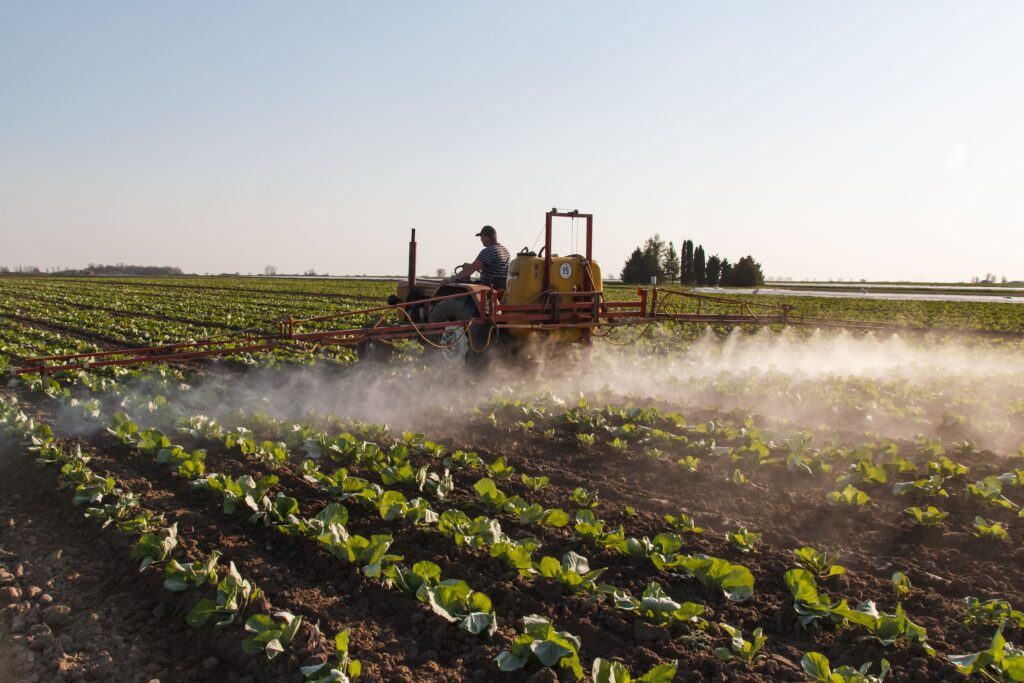
The product fits into a broader shift toward input-efficient, lower-emission farming that overlaps with several other practices gaining traction right now.
Reduced nitrogen loss to the environment aligns directly with the goals discussed in our sustainable farming practices guide, where minimizing chemical runoff and improving soil health are core themes.
Farms already exploring carbon credit programs should note that reduced synthetic nitrogen use is increasingly recognized as a documentable practice in some emissions-reduction and sustainability certification frameworks, since nitrous oxide from excess fertilizer is a significant agricultural greenhouse gas.
Farms using biochar for soil health alongside the product may see compounding benefits, as biochar’s improved cation exchange capacity can support better overall nutrient retention in soil, complementing the direct-uptake advantage the product provides through foliar application.
FAQs About Nano Fertilizer
Is the product safe for crops and soil?
Current research and regulatory approval processes indicate this formulation is safe when used according to manufacturer instructions, though independent long-term soil-health studies are still accumulating.
Can the product completely replace conventional urea or DAP?
Most current agronomic guidance recommends this input as a complement to a reduced dose of conventional fertilizer rather than a complete standalone replacement, at least based on present field trial data.
How much does input cost compared to conventional fertilizer?
A single bottle of this formulation is typically priced lower than an equivalent bag of conventional fertilizer, though actual per-acre cost savings depend on your specific crop and application rate.
Which crops show the best response to the product?
Wheat, paddy, and maize have the most extensive field trial data showing positive crop response, though horticultural and pulse crops are also showing promising results.
Does the product work for organic farming?
This depends on certification standards in your region some organic certification bodies do not currently classify this input as an approved organic input, so farmers should verify with their certifying body before use.
Where can farmers buy genuine product?
Purchase only through licensed agricultural cooperatives or authorized dealers to avoid counterfeit products, which have become a documented concern as demand for the product has grown.
Can the product be used in drip irrigation or fertigation systems?
Some formulations are designed for foliar spray only, while others are compatible with fertigation. Always check the specific product label, since applying a foliar-only product through a fertigation line can lead to poor results or clogging.
Does the product help during drought or water-stress conditions?
Foliar application can be useful when soil moisture is too low for effective root uptake of conventional fertilizer, since the product bypasses the soil-root pathway though it does not replace the crop’s underlying water requirement.
Final Thought
The product represents one of the more significant shifts in crop nutrition management to reach mainstream adoption in years, offering real efficiency gains without requiring farmers to abandon the fertilization systems they already understand.
The realistic approach for 2026 is to trial the product on a defined plot alongside your existing fertilizer program, track the results against your own soil and crop conditions, and scale up only once you have your own field-verified data rather than assuming manufacturer claims will translate identically to your farm.