
Table of Contents
Why Sheep Pox and Goat Pox Are a Global Story in 2026
Sheep pox and goat pox were long treated as “someone else’s problem” by farmers in Europe and North America. That is no longer true.
According to an EFSA scientific assessment, between 1 January 2024 and 29 January 2026 there were 203 outbreaks in Bulgaria and 2,081 in Greece. The same report notes that new cases were also reported in Romania and Serbia, and an outbreak was recorded in North Macedonia in January 2026.
The situation is still moving. Between June and September 2026, Bulgaria’s food safety agency identified multiple primary outbreaks across eight regions. It ordered culling at the outbreak sites and set up 5 km protection and 15 km surveillance zones, as BTA reported. Greece culled more than 400,000 animals during its outbreak, according to Food Ingredients First. That pushed up milk prices and put pressure on feta and meat production.
For farmers in India, Africa, the Middle East and Central Asia, where the disease is endemic, the lesson is the same. Capripoxviruses punish weak biosecurity and uncontrolled animal movement. This guide explains the disease in plain language and gives you a practical, step-by-step protection plan.
If you also keep cattle, read our guide to lumpy skin disease in cattle. It is caused by a close viral relative, and several of the prevention steps overlap.
What Are Sheep Pox and Goat Pox?
Sheep pox and goat pox are contagious viral diseases of small ruminants. Sheep pox virus and goat pox virus both belong to the Capripoxvirus genus of the Poxviridae family. The WOAH Terrestrial Manual describes the genus as having three species: sheep pox virus, goat pox virus and lumpy skin disease virus, which affects cattle.
Some key facts:
- Host range: Strains can pass between sheep and goats, although most cause more severe disease in one species than the other.
- Human risk: Sheep pox and goat pox are not considered a risk to people. Bulgarian authorities say the same.
- Where it occurs: The Pirbright Institute notes the diseases are found in Africa, Asia, the Middle East and India. Europe has seen outbreaks in Spain (2022), Greece (2023) and Bulgaria (2023), and the recent epidemic has since grown far larger.
- Severity: Mortality is typically 5–10% in endemic areas but can approach 100% in imported or naive animals (Pirbright). Local breeds that have lived with the virus often have milder disease. Newly introduced or exotic animals are the most vulnerable.
This is why the diseases are a major barrier to bringing high-yielding exotic breeds into endemic regions.
How the Disease Spreads
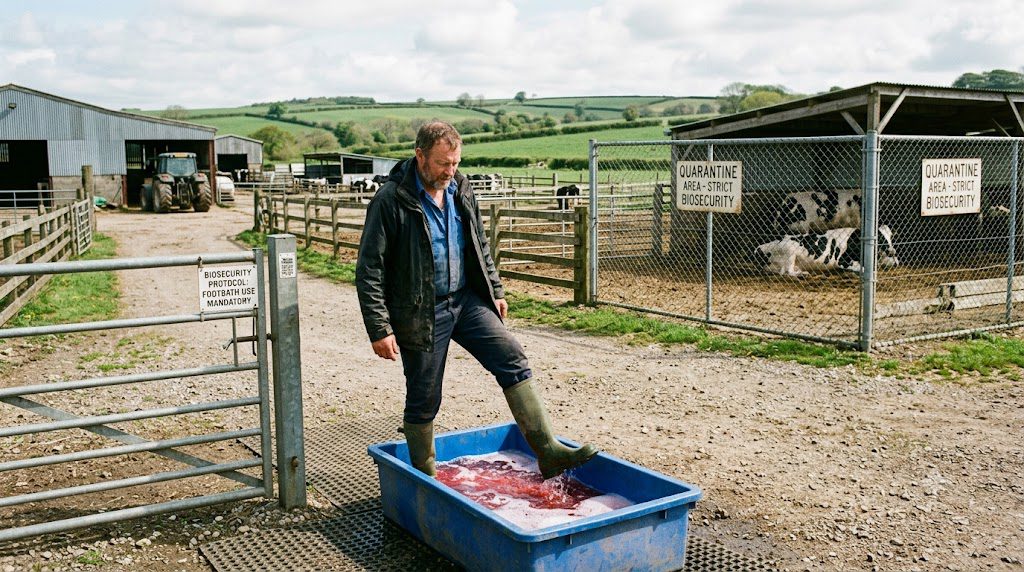
Understanding transmission is the key to prevention. The Center for Food Security and Public Health (CFSPH) factsheet explains that the viruses spread mainly through close contact. Aerosols are thought to be important, and the virus can also enter through mucous membranes or damaged skin.
The main routes are:
- Direct contact with infected animals, whose saliva, nasal discharge and eye discharge carry the virus.
- Skin lesions and scabs, which hold large amounts of virus.
- Contaminated objects (fomites): shared feeders, trailers, shearing equipment, boots and clothing.
- Animal movement: buying, selling, sharing rams or bucks, markets and shows. The EFSA assessment points to authorised and uncontrolled animal movements as a likely factor in sustaining transmission.
- Biting insects: mechanical transmission by insects such as stable flies is possible, though it is not thought to be the main route.
Why it lingers: The WOAH disease card reports that the virus can stay viable in wool, hair and dry scabs for up to three months. It can persist in unclean, shaded pens for as long as six months. A cleaned-out shed is not automatically a safe shed.
Symptoms to Watch For
GALVmed gives an incubation period of 4 to 21 days. Fever usually comes first, followed by the skin lesions the disease is known for.
Early signs
- High fever (up to 40–42°C in severe cases)
- Dullness, depression and reluctance to feed
- Eye and nasal discharge, swollen eyelids
Skin and mucosal signs
- Red spots that become papules and then scabs, often on the muzzle, eyelids, ears, udder and other hairless areas
- In severe cases, lesions spread over the whole body
- Lesions inside the mouth, nose and respiratory tract, causing breathing difficulty
Severe forms
- Internal lesions in the lungs and gut can lead to respiratory distress, diarrhoea and sometimes abortion.
- The WOAH disease card describes a flat, haemorrhagic form seen in some European goat breeds. It is always fatal.
Look-alikes to rule out: Contagious ecthyma (orf) is the main differential. Ringworm and insect bites can also be confused with pox lesions. Only laboratory testing confirms capripoxvirus, so never self-diagnose a suspicious flock.
7 Proven Steps to Protect Your Flock
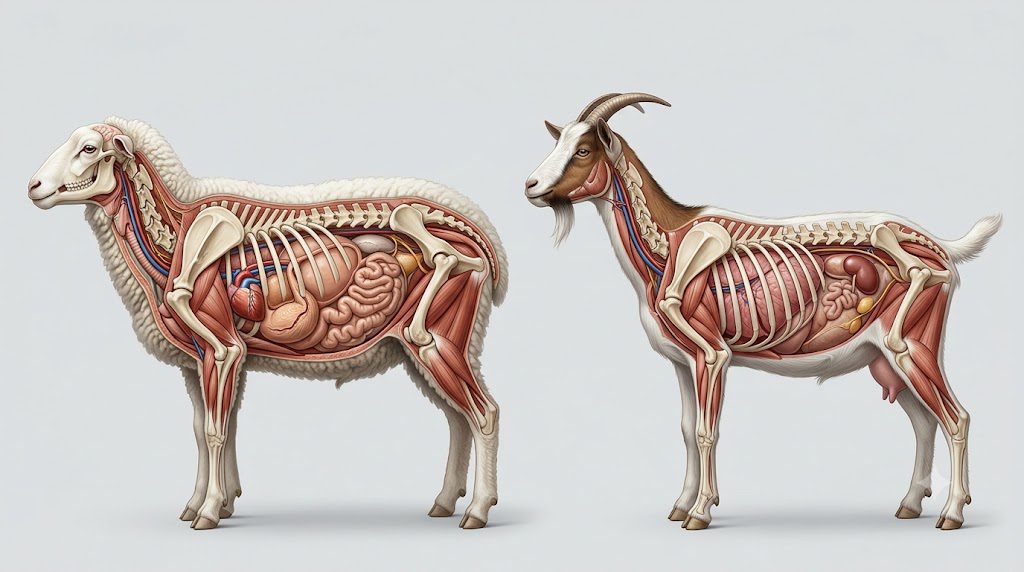
Vaccination is the main tool in endemic regions. For every farm, biosecurity is the foundation. These seven steps are consistent with guidance from WOAH, CFSPH and national veterinary authorities.
Step 1: Control Animal Movement
Most outbreaks spread through the movement of animals. Buy only from known, disease-free sources and ask for health records. Avoid live-animal markets where you can. Never mix new animals with your flock on arrival.
Step 2: Quarantine All New Arrivals
Keep newly purchased, returning or show animals fully separate for at least 21 days. That covers the full incubation period. Use separate feeders, water and tools, and let one person handle the quarantine group last.
Step 3: Tighten Farm Biosecurity
- Fence the farm and fix one entry point.
- Place a disinfectant footbath and a hand-wash station at every shed entrance.
- Provide dedicated boots and coveralls for staff, and restrict visitors, vets and traders to what is essential.
- Disinfect vehicles, trailers and crates before they enter.
Step 4: Disinfect Properly
The WOAH disease card lists effective disinfectants, including 2–3% sodium hypochlorite, 1% formalin, 2% phenol, iodine compounds, 2% Virkon and 0.5% quaternary ammonium compounds. Always remove organic matter first, because disinfectants work poorly on dirty surfaces. The virus is sensitive to sunlight and to heat (56°C for 2 hours), so open, sunny, well-cleaned pens carry less risk.
Step 5: Manage Insects and Hygiene
Insect transmission is not the main route, but it adds risk. Reduce flies by managing manure, fixing drainage and covering feed. Where appropriate, use veterinary-approved repellents.
Step 6: Vaccinate Where Recommended
In endemic areas, vaccination is the established control tool. The WOAH Manual states that vaccination is the only effective way to control outbreaks in endemic countries. Always follow your veterinary authority’s advice on which vaccine, which animals and when. See the next section.
Step 7: Monitor Daily and Keep Records
Check animals every day, especially the muzzle, eyelids, udder and inner thighs. Record fever, appetite changes and any lesions. Keep movement logs for animals, people and vehicles. Good records speed up tracing if an outbreak happens, and they build your credibility with buyers and regulators.
For broader planning, our guides on sustainable livestock farming and the types of animal husbandry and scientific breeding cover record-keeping and herd health habits. If you run a mixed unit, our goat and poultry farming guide and poultry growth guide show how to apply the same discipline across species.
Vaccination: What Farmers Should Know
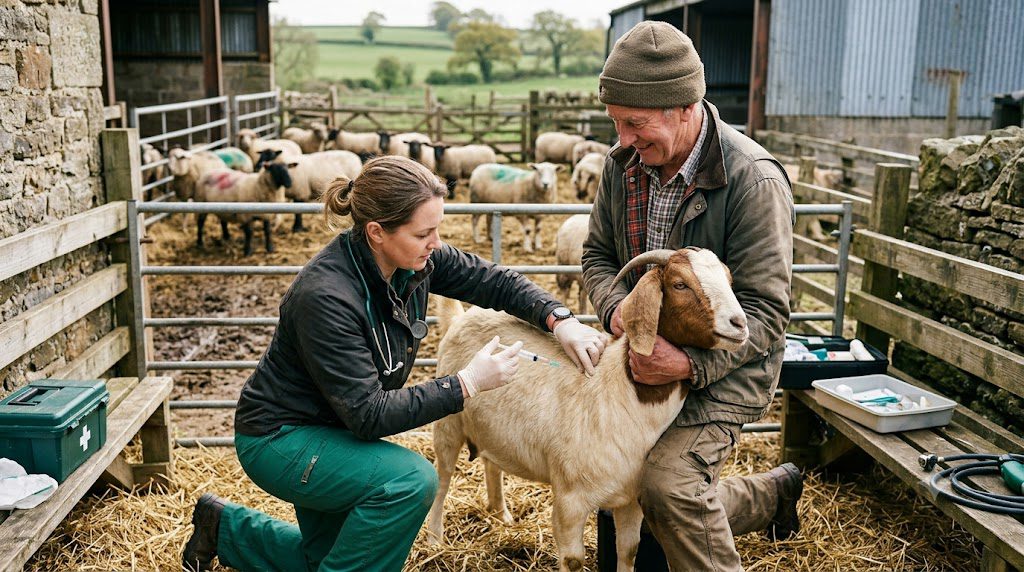
Both live attenuated and inactivated vaccines have been used for capripox control. The EFSA assessment found that vaccines are effective tools for controlling sheep pox. It also found that safety differs between vaccine types:
- Some vaccines based on sheep pox strains caused severe pox lesions in most vaccinated goats in the studies reviewed. Safer or inactivated goat pox vaccines may be preferable in certain pure goat breeds.
- Reactions can appear weeks after vaccination, so watch vaccinated animals for several weeks.
Practical advice
- Use only vaccines approved by your national veterinary authority.
- Do not vaccinate during an outbreak unless the authority recommends it. In non-endemic countries, vaccination is usually tied to official control plans.
- Vaccinate pregnant and young animals only if the vaccine label and your vet permit it.
- Remember that vaccinated areas still need strong biosecurity.
What to Do If You Suspect an Outbreak
Sheep pox and goat pox are notifiable in many countries, so reporting is often a legal duty. If you see suspicious signs:
- Isolate the sick animals immediately.
- Stop all movement of animals, people and vehicles off the farm.
- Call your veterinarian or the animal health authority. Do not wait to see if it clears up.
- Do not sell or move animals, milk, wool or hides.
- Disinfect everything that touched the animals.
- Follow official instructions on sampling, culling, carcass disposal and compensation.
There is no specific treatment. Supportive care (treating secondary infections, wound care, fluids) may reduce losses, but it does not replace official control, according to guidance from the Idaho State Department of Agriculture. That guidance also recommends isolating herds and sick animals for 45 days after recovery. In non-endemic areas, outbreaks are generally controlled through movement restrictions, depopulation, thorough cleaning and proper carcass disposal.
The Economic Impact
Losses go far beyond dead animals. CFSPH and GALVmed highlight:
- Reduced milk production
- Damage to hides and wool quality
- Trade restrictions and market closures
- Barriers to importing improved breeds and building intensive production
- Culling, movement restrictions and downtime
GALVmed estimates the total yearly cost of the disease at around US $48 million, which shows how heavily it weighs on the small-ruminant livelihoods that depend on it. In Bulgaria, authorities approved up to EUR 1.8 million in de minimis aid in 2026 for small-ruminant farmers whose holdings fell within restricted settlements. Compensation helps, but prevention is far cheaper.
FAQs
1. What are sheep pox and goat pox?
Sheep pox and goat pox are contagious viral diseases that mainly affect sheep and goats. They are caused by viruses in the Capripoxvirus genus of the Poxviridae family.
2. Can sheep pox and goat pox infect humans?
No. Sheep pox and goat pox are considered animal diseases and are not regarded as a risk to human health. However, people handling infected animals should use protective clothing to reduce the risk of spreading the virus between farms.
3. How does sheep pox and goat pox spread?
The diseases can spread through direct contact with infected animals, saliva and nasal or eye discharge, skin lesions and scabs, contaminated equipment, clothing, vehicles, and animal movement. Mechanical transmission by biting insects is also possible but is not considered the main route.
4. What are the symptoms of sheep pox and goat pox?
Common symptoms include high fever, depression, reduced appetite, eye and nasal discharge, swollen eyelids, and skin lesions. Red spots may develop into papules and scabs, particularly around the muzzle, eyelids, ears, udder, and other hairless areas. Severe cases may involve respiratory problems and internal lesions.
5. How long is the incubation period for sheep pox and goat pox?
The incubation period is generally 4 to 21 days, according to the GALVmed information cited in the article. Fever commonly develops before the characteristic skin lesions appear.
6. Can goats catch sheep pox and can sheep catch goat pox?
Yes. Some capripoxvirus strains can pass between sheep and goats, although individual strains may cause more severe disease in one species than the other.
7. Is there a treatment for sheep pox and goat pox?
There is no specific treatment that eliminates the virus. Supportive care may help manage secondary infections, wounds, dehydration, and other complications, but it does not replace official disease-control measures.
8. How long can sheep pox and goat pox virus survive in the environment?
The virus can remain viable in wool, hair, and dry scabs for up to three months. It can also persist in unclean, shaded pens for as long as six months, making thorough cleaning and disinfection important.
9. How can farmers prevent sheep pox and goat pox?
Farmers can reduce the risk by controlling animal movement, quarantining new arrivals, improving farm biosecurity, disinfecting equipment and vehicles, managing insects and hygiene, vaccinating where recommended by veterinary authorities, and monitoring animals daily.
10. How long should new sheep and goats be quarantined?
The article recommends keeping newly purchased, returning, or show animals completely separate for at least 21 days. Separate feeders, water sources, tools, and handling arrangements should be used during quarantine.
11. Is vaccination available for sheep pox and goat pox?
Yes. Both live attenuated and inactivated vaccines have been used for capripox control. However, vaccine choice should follow the recommendations of the national veterinary authority because safety and suitability can vary between vaccines and animal populations.
12. What should farmers do if they suspect sheep pox or goat pox?
Immediately isolate suspected animals, stop animal and vehicle movement, contact a veterinarian or animal health authority, avoid selling or moving animals and animal products, disinfect equipment and facilities, and follow official instructions for testing, culling, carcass disposal, and compensation.
13. Is sheep pox the same as lumpy skin disease?
No. They are closely related diseases caused by viruses in the Capripoxvirus genus, but they affect different animals. Sheep pox and goat pox primarily affect small ruminants, while lumpy skin disease affects cattle.
14. Which countries are affected by sheep pox and goat pox in 2026?
The diseases are endemic in parts of Africa, the Middle East, Central Asia, and the Indian subcontinent. In Europe, major outbreaks have occurred in Greece and Bulgaria, with cases also reported in Romania, Serbia, and North Macedonia during the period covered by the article.
15. What is the most important prevention step for sheep pox and goat pox?
Controlling animal movement and quarantining new arrivals are key prevention measures because infected animals and contaminated equipment can introduce the virus to a flock. These measures should be combined with strong farm biosecurity and vaccination where recommended.
Conclusion
Sheep pox and goat pox are no longer distant, regional problems. The 2024–2026 epidemic in Greece and Bulgaria shows how fast a capripoxvirus can spread when animals move and biosecurity slips. The good news is that the prevention playbook is clear: control movement, quarantine new animals, disinfect carefully, vaccinate where authorities recommend it, and watch your flock every day.
Start with the steps that cost the least: a footbath, a quarantine pen, a visitor log and a daily health check. Share this guide with fellow sheep and goat keepers, and keep checking Farm Sutras for more science-backed livestock guides.
Disclaimer: This article is for educational purposes and does not replace advice from a licensed veterinarian or your national animal health authority. Vaccine choice and disease-reporting rules vary by country.