
Table of Contents
Introduction
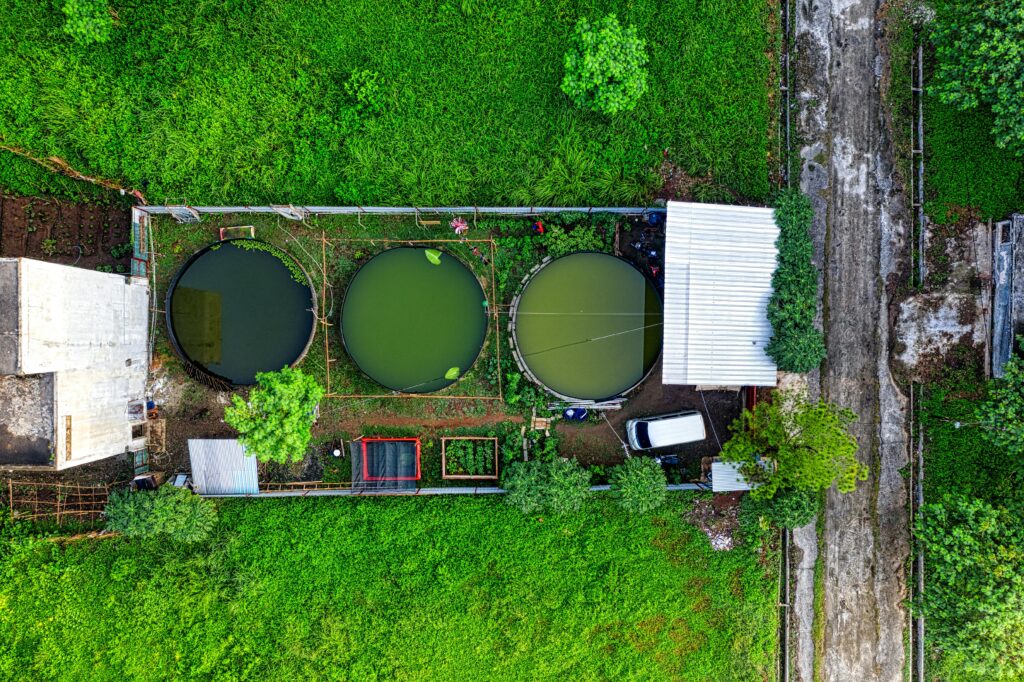
Aquaponic Farming Explained Simply
These days, more people are farming using aquaponics – it saves water while producing good food. Because clean soil is harder to find now, some see this system as a smarter way forward. Home growers use it just as much as big operations do.
Instead of relying on traditional fields, they recycle nutrients between fish and plants. Fresh produce comes out without wasting resources. When Aquaponic Farming droughts hit or the land wears down, such setups keep working steadily.
Benefits
Water Use and Lasting Supply
Water hardly escapes in aquaponics – that helps it go far. Regular farms pour on lots, yet sun and soil take their share fast. Instead, this method keeps the liquid moving from the tank to the tray again and again.
Water scarcity pushes some areas to try new growing methods. Instead of traditional fields, one method cuts water use drastically – up to ninety percent less. That kind of saving fits well with Aquaponic Farming with nature-focused practices. Those ways value keeping resources like water in balance. Efficiency becomes part of the growth process itself.
Water stays in the loop, so almost nothing pollutes nearby nature. Conventional farms? They send chemicals washing into streams and underground supplies when it rains. Aquaponics keeps everything sealed off, tidy, balanced. Protecting the environment matters most on organic plots – that mindset fits right in here.
Chemical-Free Food Production
Food grows in aquaponics without chemicals because fish waste feeds the plants. From tank to root, tiny helpers – bacteria – change what fish leave behind into plant fuel. What comes out? Strong vegetables, clean and ready to eat.
Now, more people pay attention to what goes into their meals. Using aquaponics helps growers supply vegetables without added chemicals. Much like organic methods, it relies on nature rather than lab-made ingredients.
Besides, because aquaponic setups usually happen indoors under careful conditions, bugs and sickness show up far less often. That means no toxic sprays get used, which keeps growers safe – just like the people eating what’s grown.
Dual Income Opportunity
Out here, growing food with water means cash flow from more than just greens. Fish swim alongside veggies, each adding dollars when sold separately. One setup feeds two markets without doubling work. Money moves in from both sides, steady-like. Fresh produce leaves the farm same time as live catch. Two products. One source. Pockets fill either way.
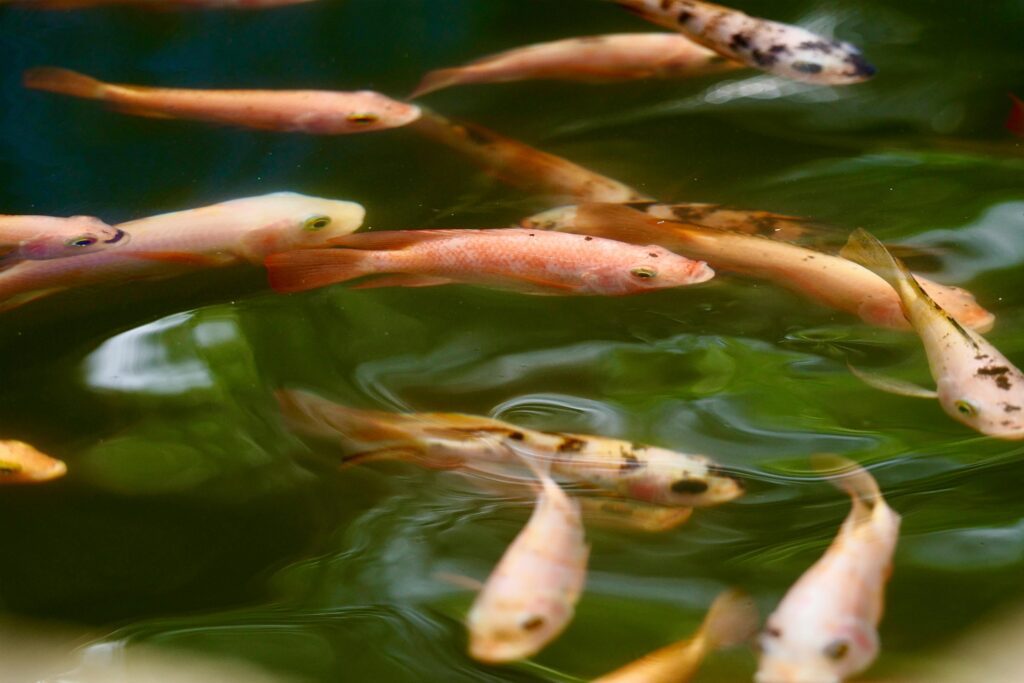
Besides growing leafy greens – think lettuce, spinach, or fresh herbs – aquaponics also supports fish like tilapia or catfish. While plants thrive above, those fish develop below, ready for sale later on. Because both crops and seafood come from one system, losing money in Aquaponic Farming becomes less likely even if one part underperforms. Profits tend to climb when two harvests succeed where just one used to stand.
Farming like nature intended often brings more than just one result from the same effort. When raising fish goes hand in hand with growing plants, space and nutrients get used without waste. Aquaponics makes farms work harder by letting life support life across water and soil.
Techniques
Media-Based Aquaponic Systems
Plants sit in bins packed with stuff like pebbles, baked clay bits, or coarse grains. From the fish pool, liquid gets moved up into these planting zones. Once there, greenery pulls what it needs out of the flow. After that, the cleaned fluid rolls back down into the aquarium below. This kind of setup pops up in Aquaponics farming more than others in the aquaponics circles.
Getting started takes little effort, yet it works well even if you are just beginning. Different kinds grow without trouble here – think greens alongside apples or tomatoes. Down in the base, Aquaponic Farming, tiny life forms multiply where roots spread, doing their job, breaking down leftovers from fish into food for plants.
Out here, media-based aquaponic setups need almost no upkeep while fitting into many situations. These systems work just as well in tiny backyard plots, Aquaponic Farming, instead of only big production spaces. That shift opens doors for more people using one method across varied needs.
Nutrient Film Technique
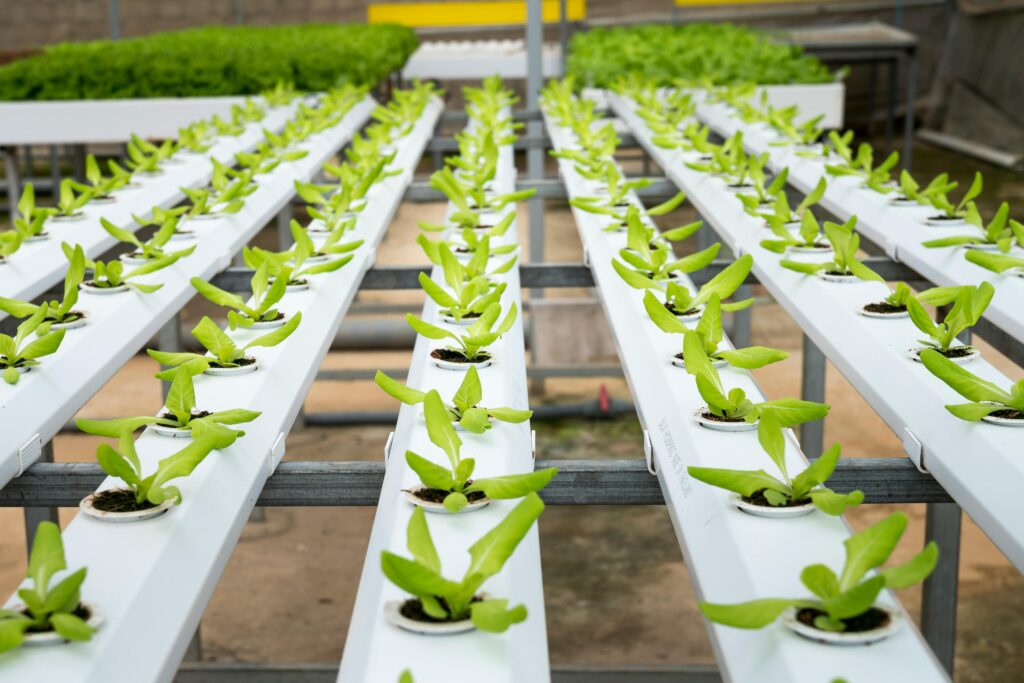
Flowing gently along channels, a shallow stream of enriched water keeps plant roots fed in one common aquaponics setup. Roots dangle above moving currents, soaking up what they need, Aquaponic Farming without pause. Not still but always advancing, the liquid delivers both nourishment and air alike. Steady movement defines how this approach supports growth day after day.
Leafy greens thrive in NFT setups simply because the system uses water smartly. Instead of vast fields, these systems pack plants close without wasting room. With roots rinsed gently by nutrient-rich flow, soil isn’t missed at all. Clean channels keep things pure, much like organic ideals demand. Growing this way skips heavy runoff since Aquaponic Farming, with nothing spills beyond the loop.
Still, keeping NFT systems running right means watching how fast water moves and how much air fish get. Even so, many large-scale aquaponics operations stick with them because they grow lots without slowing down.
Deep Water Culture
Pieces of Styrofoam holding net cups drift across a tank like tiny islands. Below, plant roots hang loose into liquid that feeds them what they need. This method skips soil entirely – roots drink straight from the solution below. Floatation keeps tops up while insides soak in balanced chemistry beneath.
Most big aquaponic farms rely on this approach because it works well at scale. Growing greens such as lettuce or basil thrives under these conditions thanks to steady output. Plants stay in balanced surroundings, which speeds up development while boosting harvest amounts.
Out in the DWC setup, nature runs its course through quiet balance. Fish stir, plants reach, bacteria work – each part tied to the next by unseen threads. Life moves in loops here, one Aquaponic Farming feeding another without pause. Chemicals never enter because the system already holds what it needs. Growth happens, steady and unforced, when living pieces align just right.
Challenges
Initial Setup Cost
Starting an aquaponic farm often means spending a lot on setup right away. Because costs add up fast when buying gear like water containers, flow machines, planting zones, plus cleaning units, newcomers feel this most.
Spending more at first might feel heavy on a farmer’s mind. Yet thinking of Aquaponic Farming as planting money into soil could shift how it seems. Little by little, the setup earns back what was put in. Savings grow quite steadily through lower daily running needs.
Over time, aquaponics tends to cut costs better than conventional organic methods that rely on steady doses of chemicals. Instead of adding fertilizer and pest controls again and again, one system recycles resources through natural loops.
While old-style plots drain effort and supplies, this Aquaponic Farming method keeps nutrients moving between fish and plants. It runs on balance rather than constant outside help. Long-term, fewer purchases add up to big savings.
Technical Knowledge Requirement
Biology basics matter when growing food through aquaponics, alongside knowing how water works chemically. Keeping an eye on pH comes before adjusting heat or tracking nutrients inside the setup.
Temperature shifts often lead to changes in what plants receive daily. System control follows after recognizing patterns in fish waste breakdown. Nutrient flow depends less on guesswork, more on consistent checks across components.
Getting used to this might take time if it is your first encounter. While natural farming leans heavily on age-old practices and ecosystems, aquaponics blends scientific principles with modern tools in its approach.
Still, working at it steadily makes tough parts easier over time. Websites offering lessons show up easily when someone starts looking around.
System Maintenance
Without care, things go wrong fast in aquaponics. Equipment like pumps needs close watching now and then – failure hides in small details. When one part slips, fish feel it just as much as roots do.
True, it might look like a downside at first glance – yet here’s the twist: it keeps Aquaponic Farming farmers on their toes, hands deep in daily operations. When stacked against organic methods, where rain or drought call the shots, aquaponics shifts power back into human hands, shaping how plants grow.
Solutions
Start small, then grow step by step.
A first step might be a compact setup, letting new growers test things without heavy spending. As skills build, so could the system – growing slowly instead of all at once. Learning Aquaponic Farming happens through doing, mistakes included. Less money up front means fewer worries if changes are needed later.
Home-scale models start simple, built from everyday supplies. Once skills are built, the room opens for bigger investments by those ready. Step-by-step fits well with earth-first growing – slow steps often stick better. Gradual shifts tend to last longer when roots go deep early.
learning by doing through practice and training
Farming well with aquaponics often begins by learning. Those who grow food this way find useful tips through web videos instead of waiting for experts. Classes help too, Aquaponic Farming, especially when neighbors share what works. Talking with others in local networks builds confidence over time.
Working directly with the land matters just as much. Trying various methods, then watching what happens, helps farmers grasp how things truly work. Learning by doing fits well with Aquaponic Farming’s organic farming mindset – always adjusting, always paying attention. Outcomes grow from practice, not just theory.
Regular Monitoring and Automation
Out there, where gadgets meet gardening, machines handle much of the work on fish-and-plant farms. With sensors keeping an eye on things, someone doesn’t have to check every hour. Timers turn equipment on or off without waiting for a person.
Water gets watched closely, so Aquaponic Farming problems show up early. The temperature stays steady because devices adjust it automatically. Nutrient balance holds strong thanks to smart tracking. Less hands-on time means fewer mistakes happen by accident.
How do machines help? They cut down on mistakes while speeding things up, which means outcomes get better without extra effort. Instead of choosing between tech and nature, Aquaponic Farming, some farms mix both – water flows where fish swim, plants grow above, each part feeding the next like a loop that just keeps going.
Scaling Up Aquaponics for Larger Farms
Now that more people pay attention to aquaponics, some growers look into running it as a business. To go bigger, they need smart layouts, solid designs, because moving up isn’t just about size – it ties closely to what buyers actually want.
Big operations differ sharply from backyard Aquaponic Farming versions; these include room-sized tanks, rows of growing zones, and gear that cleans water much faster due to heavier loads.
Keeping things in harmony matters most when growing aquaponics bigger. When more fish swim among more greens, steady nutrients, clean water, and enough oxygen must stay locked in place. Machines that watch and adjust help a lot right then. Gadgets like sensors plus clocks let Aquaponic Farming growers handle big setups without constant handwork.
Out here, growing food using aquaponics fits neatly alongside natural and organic methods – no synthetic stuff needed. When handled right, this setup delivers crisp greens and healthy fish straight to Aquaponic Farming neighborhood stores, eateries, or larger shops nearby. Money flows in steadily, yes, yet what really stands out is how gently it treads on the land.
How to Pick Fish and Plants
Picking fish and plants that work well together makes a real difference in how an aquaponic farm turns out. Because each type thrives under specific conditions, matching them wisely leads to healthier development and stronger yields. Tilapia, catfish, or carp show up often in these setups – they adjust easily, grow quickly, which helps keep things running smoothly.
Most folks starting pick leafy greens – they do best in aquaponics. Lettuce, spinach, mint, or even basil take well to rich water without much fuss. Fast growth keeps baskets full week after week. New gardeners find success here just as often as in large setups.
Out in the fields, fish swim alongside leafy greens, showing how life supports life. Aquaponic Farming, when left to work together. Not far off, soil stays rich without lab-made boosters, fed only by what nature recycles on its own. When growers pick just the right kinds of creatures and crops, things start running smoother than expected – less waste, more return.
Practical Tips
Daily Management and Best Practices
Each day shapes how well an aquaponic system thrives – small oversights can ripple through the whole setup. Testing water often keeps problems hidden from view before they grow. pH, ammonia, nitrites, nitrates – they each tell part of the story behind plant roots and fish gills.
When one piece of Aquaponic Farming shifts too far, others follow unless corrected gently. Balance here means living things stay strong without extra help. What flows in the pipes affects what grows above them.
Fish need just the right amount of good food – that much matters in aquaponics. Too much feeding messes up the water; too little slows down growth, limits plant nutrients. Getting the portion correct keeps everything balanced inside the setup.
Every day needs time set aside for cleaning tasks. Checking filters comes first, then moving on to pumps, and finally inspecting each pipe section. When something clogs or breaks, everything else tends to stall shortly after. Unlike regular soil-based growing methods, raising plants with fish demands a sharper focus on machinery details yet allows tighter oversight of how crops develop.
Farmers who stick to these methods tend to see steady outcomes while steering clear of frequent issues. Success over time in aquaponics often depends on staying methodical. Stillness in routine brings growth.
marketing aquaponic products
Freshness grabs attention when selling aquaponic harvests. Because there are no chemicals used, many who care about wellness tend to show interest. One way to stand out is by focusing on how Aquaponic Farming eco-friendly the process really is. Building trust happens slowly, yet those who value clean food often return. Profit grows not just from growing well but from sharing that story clearly.
Fresh fish on your plate might come straight from a backyard farm. When growers hand their produce to neighbors, chefs, or shop owners, they keep more of each dollar. A label with an Aquaponic Farming name people remember helps stand out at markets. Boxes that catch the eye make buyers pause.
Farming that combines fish and plants, grows things naturally, and works without synthetic chemicals – this trio speaks volumes now. People notice how food is grown, care about clean methods, and often spend extra for purity. Truth in growing, pride in produce – that builds trust over time. Standing out comes easier when what you do matches what people value deeply.
Future Scope
Aquaponic Farming in Today’s Agriculture
Farming without soil might sound odd – yet it’s exactly how aquaponics works. Water keeps circulating, feeding both fish and plants at once. Space becomes an advantage instead of a limit when systems stack vertically.
Less runoff slips away compared to old-style fields. Population growth pushes Aquaponic Farming demand up, while available land trends down. Yields grow steadily even in city rooftops or small backyards. Efficiency comes from balance: waste turns into food, naturally. Drought concerns fade where most moisture stays trapped inside loops.
City gardens are starting to favor aquaponics more these days. Spaces like rooftops or forgotten corners turn into growing spots through this method. Fresh produce shows up right where people live because of it. Less travel for food means fewer trucks on roads, cutting down fumes along the way.
When nature-based growing meets chemical-free practices, aquaponics gains deeper staying power. With tools improving over time, smarter setups could emerge, spreading this approach across regions.
Youth and Entrepreneurs Find New Paths
A fresh way to grow food opens doors for youth eager to build something real. Though tiny in space needs, the output can surprise anyone watching numbers climb. Starting modestly feels natural here – growth follows when attention stays steady. Room to scale comes without demanding huge fields up front.
Success in aquaponics begins with learning by doing. Through hands-on practice mixed with study, people shape better systems over time. Some grow vegetables to sell directly at markets. Others pass along what they know through workshops. A few go further – building complete setups ready for someone else to run.
Food made without chemicals now draws more buyers than ever. Because nature-based methods shape how crops are grown, aquaponics fits right into the shift. Those building systems now may find steady gains later on. Profit waits where care for soil and water leads the way.
FAQs
- What is aquaponic farming, and how does it work?
Water gets cleaned by plants while fish live nearby, their waste feeding roots instead of polluting. This loop mimics how ponds and greenery support each other in nature.
- Is aquaponic farming better than organic farming?
Water stays put longer when plants grow above fish tanks. Growing food without chemicals links these two methods, yet one uses far less liquid. Faster harvests happen where temperature and light stay steady. Roots drink what fish leave behind, cutting down on waste.
- Starting aquaponics at home possible even for those new to it.
Starting aquaponics at home? Sure thing, even if you are just beginning. Once you get the hang of it through steady effort and clear directions, handling the system feels natural.
- Which plants grow well in aquaponics systems?
Besides lettuce, many leafy plants thrive when raised without soil. Spinach, along with various herbs, does especially well in these setups. Their needs are modest compared to heavier feeders. Water alone can support their growth nicely.
- How profitable is aquaponic farming?
Profits often come easier when both fish and crops are part of the system. Over months, careful oversight tends to pay off in steady earnings.
Conclusion
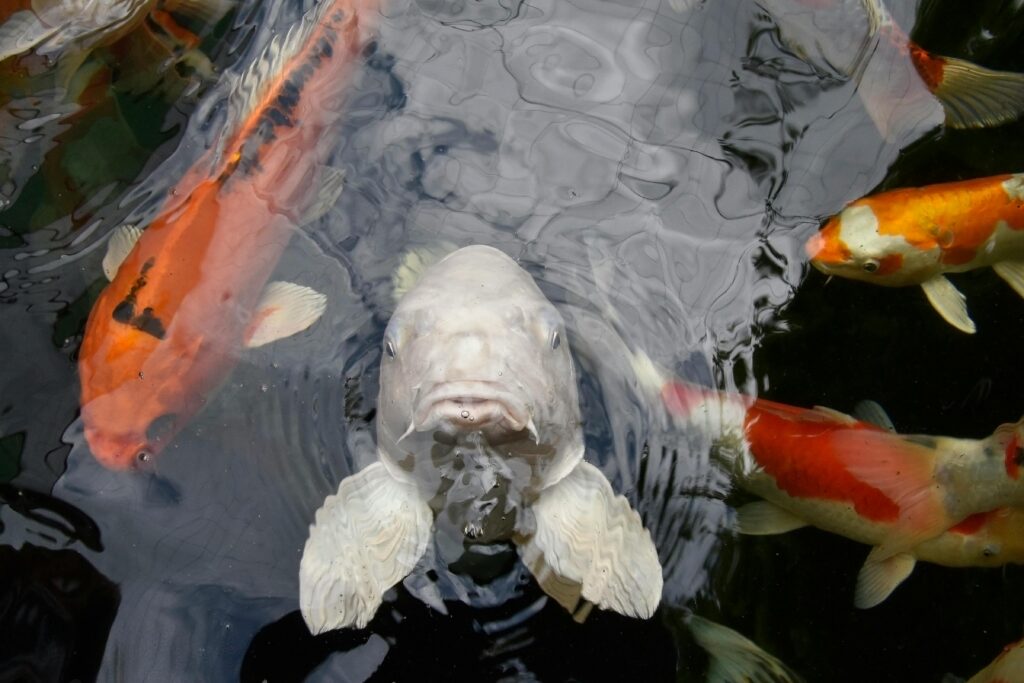
Aquaponic farming changes how we grow food today. Through fish raising mixed with soil-free plant growth, one method feeds the other naturally. Water stays clean because plants filter waste made by aquatic life.
Chemicals never enter this loop since nature handles balance on its own. Food comes out fresh while using far less liquid than old-style fields need. This way of growing cuts waste yet boosts output steadily over time.
Starting green, aquaponics follows nature’s rhythm instead of chemicals, drawing people who care about what they eat. Though setup demands time and money up front, sticking with it pays off down the road through better balance and lower impact. From soil-free roots to clean harvests, this method leans on mimicry – copying ecosystems rather than fighting them.
A fresh way to grow food catches on among those tending land, studying crops, or building ventures. Beginning with just a few pieces, staying curious, while using up-to-date methods, opens doors here instead. Success grows quietly through trial, attention, and updated tools rather than size alone.