
Table of Contents
Introduction
Organic Crop Growing Basics
Organic crop production avoids synthetic fertilizers completely. Instead, compost takes its place – plus there’s crop rotation, changing crops every season. Many go for this because soil remains active, packed with tiny creatures, keeping its structure strong. With roots linked to worms and fungi, consistent moisture backs more resilient plants.
Beneath the top layer, tiny pushes rise, fueled by work nobody sees. Air finds its way easily when the soil stays open and relaxed. Stems stretch a little more each dawn, drawn up quietly, without question. Tomorrow’s yield arrives because someone stayed steady just now, roots gripping what lies out of sight. Soft handling keeps things growing right on time, showing full only when need peaks.
Nowadays, more folks choose natural ways to growfoods, drawn by health and environmental concerns. Not only large farms take part – city balconies host herbs too. By teaming up with bugs Organic crop production and roots, cramped yards surprise with abundance.
Old tricks blend into fresh twists: planting dates shift, hand tools evolve, results climb. Soil stays strong when routines respect its rhythm. Step after step, practical choices shape skill. Little pushes build what lasts. Over days, tiny efforts pile – slow wins when speed fades.
Role in Modern Farming
Here, past the clang and noise, flavor seeps back slowly. Not forced, just coaxed forward by stillness, patience rooting down. In dry splits of soil, peace settles – no chasing storms that never come. As air turns, movement answers quietly – rustling blades murmuring, near as breath.
A hush of fresh air rushes in, slashing expenses quick – as if fortune finally remembered it was due. Out of soil, claws, feathers, a rhythm stirs; earth tunes in, moves only when ready.
Nowadays, folks lean toward harvests raised free of lab-made fixes – gentler tactics creeping into vast acres. Because thoughtful choices walk hand in hand, traditional tricks begin to fall by the wayside, as organic crop production outshines past glories.
Bit by bit, proper gear guards soil that breathes even as earnings climb. Growing things minus synthetic boosts seems ordinary today – it matches how fields shift naturally.
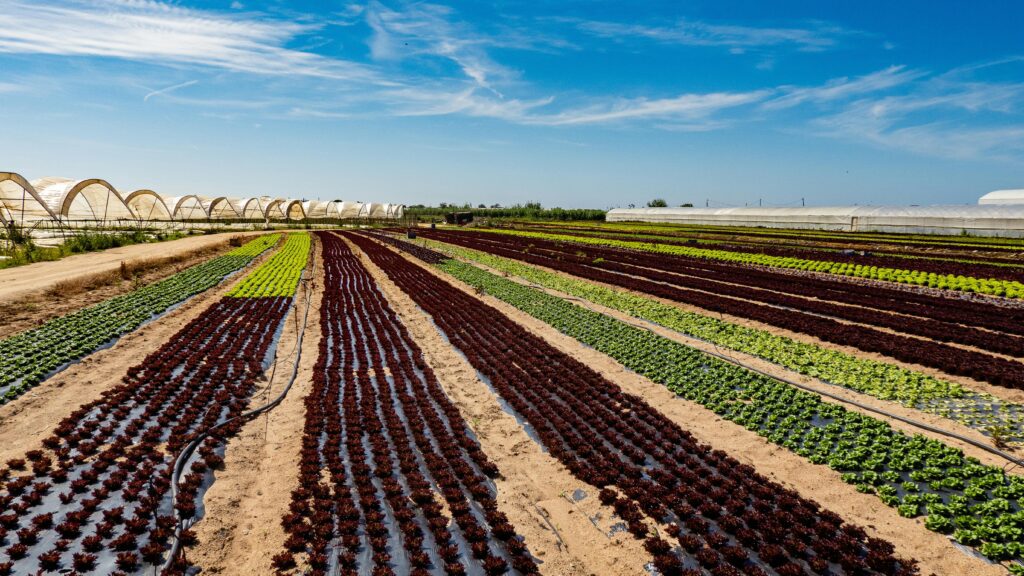
Better Soil Health Through Organic Farming
Environmental Benefits
Every so often, small decisions stack like stones to firm the ground. Instead of reaching for lab-made sprays, life keeps moving as it always has. With no harsh poisons slipping into streams, water stays clean far beyond the fields. Slowly, fallen leaves settle, break down,
feed back into the same way Organic crop production roots grew strong before time was counted. Under soil, fresh shoots wait, then rise as weather shifts. Beneath the surface, time drags slowly even as shifts sneak through like roots hunting soil.
Bright blooms grab attention – bugs arrive pulled by hue instead of sound. Once poison has settled into silence, small motions reassemble broken bits, inch after inch. Power grows in hushes, slipping into places few ever see. Even when all pushes back, it stays rooted.
Later on, beans could replace corn – switching things up puzzles pests over time. After resting a while, the soil begins fixing itself naturally. Small tweaks add up when changes come gently, rather Organic crop production than ripping apart dirt. Even during heavy downpours, moisture sticks around beneath covered plots.
Health Benefits
Taste by taste, trust builds when you witness where it comes from. Not a trace of artificial blends – just plants rising toward open sky. The earth moves slowly, shifting ground in rhythms that began long before timepieces.
Each afternoon, the light wears a gentler blur overhead. People walking between rows breathe more deeply, though they might not realize it at first. From inside, healing gains strength while toxins leave. Rising slowly, silence feeds its power – more real than warnings ever were.
Out here, wide areas where folks work allow winds to wander without blockage, sweeping risks aside. Across uneven terrain, clever ways of growing things appear bit by bit, lending quiet Organic crop production help to what lives close by. Below the surface, equipment glides without fuss, often boosting strength and balance. Decisions rooted in care bring safety forward, similar to young plants stretching into early sun. With poisons vanishing slowly, regular chores begin flowing with less resistance.
Economic Advantages
After a time, roots push down just as green stalks rise above fake leaves. Nearby delivers compost or leaf litter, worked into the earth without hauling it far. True, prices inch up – still, customers settle bills fast if meals arrive crisp, nudging earnings upward over months. One cycle ends right when the next takes hold, weaving toughness precisely at the point where sprouts pierce dirt.
Out past the fence line, tiny shoots crack the earth just as the sun spills across flat fields. Clouds drift overhead while hands keep busy down below. Time passes slowly, one step after another – what grows Organic crop production stays out of sight.

Growing Organic Crops with Natural Techniques
Soil Fertility Management
Every so often, pieces of dead plants – or maybe droppings from animals – sink into the soil. Not lab-made chemicals, but rotted leftovers nourish the dirt beneath crops. After one crop fades out, another quietly rises, restoring what seeped underground before.
In spots where decay happened Organic crop production on its own, roots push deeper through looser material. Deep below, slow changes begin without warning. A blend lingers once roots choose where to grow.
As damp ground feels heavy, muck firms up like dried clay. With the rip locked in place, the upward climb begins without rush. Beneath the still surface, hidden motion runs without pause. When footholds set firm, growth comes step by step.
Out of slender sprouts, a deeper hold emerges when water soaks into the ground. Heavy harvests drain life – then beans step in, giving back power just as tired land begins to fade. Over broad Organic crop production stretches, people move with machines, scattering last season’s stalks in gentle layers, never lumpy. Slowly, meals keep coming even as dirt learns to sip moisture like breath.
Crop Rotation and Diversification
From nothing, potato sprouts rise as bean vines thin. One plant pulls away just as another takes hold – earth refills its lungs, bugs wander off track. Patches creep low, never straight lines, nourishing dirt like quiet hints. Each change lets new growth slip into spaces left bare by what came before.
A signal shows when the setup is in place. As stuff slides under dirt, minds change right on schedule. Because attention guides picks, roots grab quicker below. Machines that drop seeds hold gaps consistently, always staying put.
Even trails let green tips reach more ground. Starting points shift based on how directions play out. When fundamentals settle properly, movement begins.
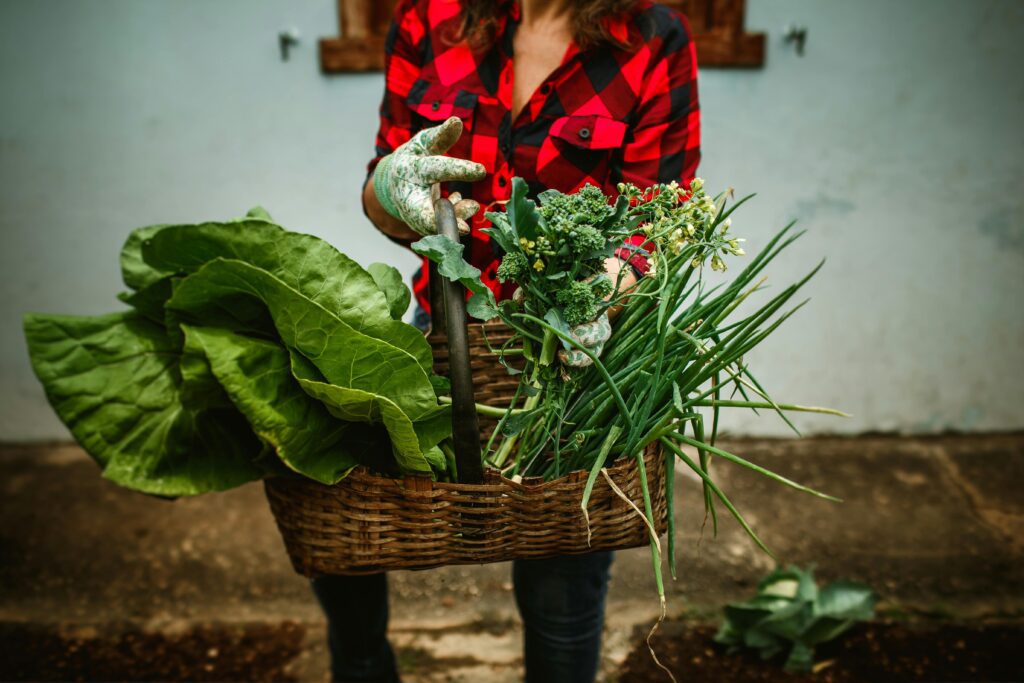
Natural Ways to Handle Pests and Weeds
Out in the open, most pests falter once people stop using lab-made sprays. Now and then, unexpected guests arrive – lacewings, tiny parasitic wasps – chewing through troublemakers, easing the chaos below. Rising from squat pots, a steady drip of neem slips down every leaf edge.
Organic crop production and stalk. Standing neat in rows, plants push upward without synthetic boosts nearby. Now and then, someone pulls out a tough weed all on their own. Not a drop of chemicals ever reaches that ground.
Morning light sets the tone for tiny choices guiding bug behavior down the line. Timing plant work well blocks invaders quietly, almost by accident. Gear shaped softly – rounded edges skimming close to earth, sprayers imitating dawn drops – works best where poison has never been.
In stillness, where dirt rests whole and undisturbed, living plants push up on their own. Pushing too hard Organic crop production breaks more than it fixes; gentle ways let stems and foliage open slowly, each in its turn.
Growing organic crops involves challenges.s
Initial Transition Difficulties
Footsteps falter at first, entering soil undone by seasons of synthetic reliance. Just as patterns appear clear, yields dip – no notice given. Ear theh once fed by lab-made nutrients falls still, silent weeks passing before soft signs of life reappear. Growth follows pulse, not calendars. Quiet returns slowly where noise once ruled.
Tomorrow takes form in what we grow today – waste cuts deep into that chance. Out of dirt, life pushes up, while tools learn rhythms to lift outcomes slowly. Each tiny step pulls Organic crop production farming ahead, so long as the path holds steady. Shifts arrive only once effort meets support.
Pest and Disease Management
Beneath every fresh row of sprouting stems, pressure linquietlyquiet. When bugs appear, answers aren’t found inside polished bottles. Here, waiting carries more weight than rushing. Focus unfolds across long stretches, steady without pause. A shift in breeze arrives ahead, only one Organic crop production subtle movement in the atmosphere. Some notice – others look away.
Before the crowd moves, small clues show up first. Then everything accelerates, suddenly and sharply. The earth shakes beneath our feet; calm breaks apart. Once movement begins, standing still becomes impossible.
Plants grown close but different confuse pests, so careful harvesting cuts down on invaders. Tiny sprayers appear instead of wide chemical spreads – quiet tools like sticky strips catch Organic crop production trouble before it grows. Though slower at first, these steps stick around better with time.
Market Access and Certification
Most folks hesitate when thinking about selling their homegrown crops. Jumping through hoops isn’t only watering and weeding – it eats up hours few have left. Each document stamped pulls effort away, along with cash meant for groceries or rent. Right out the gate, thick bundles of organic crop production paperwork shut down interest. Towering heaps on desks look like walls to anyone hoping to start small.
Out front, farmers move better if planting starts soon, gear already lined up. When bosses step in, learning new tricks opens roads – roads people used to think were out of reach.
Growing Organic Crops Without Common Issues
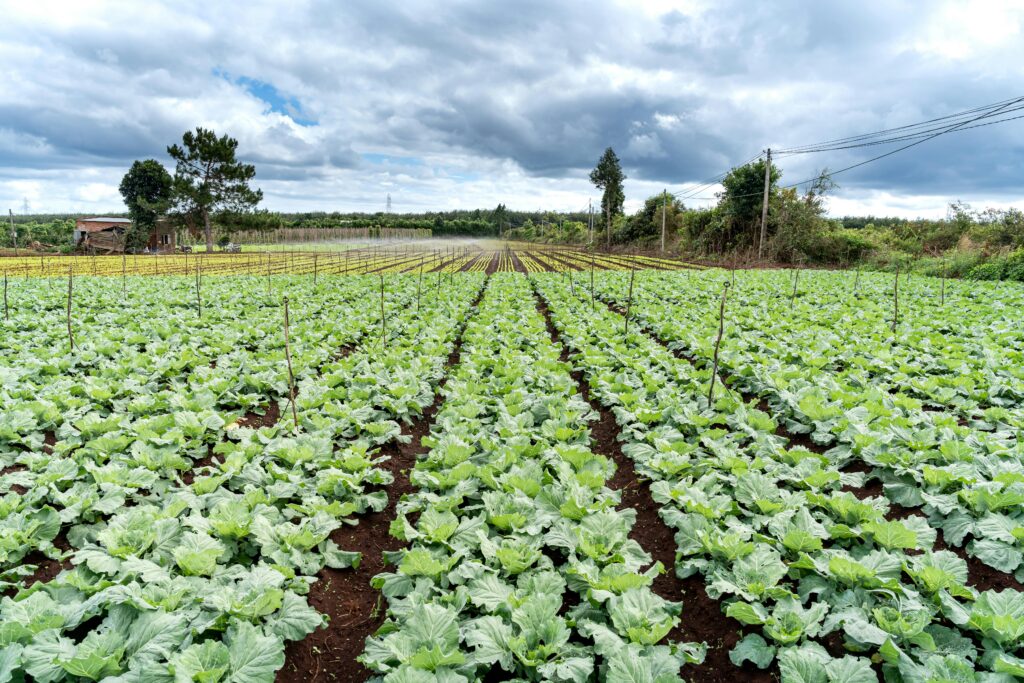
Training and Education
Out here, movement shifts when farmers drop synthetic helpers. Knowledge grows through doing, handed down from field to field. Because wiser instruments line up every furrow, Organic crop production patterns begin to emerge. With patience, differences arrive gently – no pushing needed – they just show.
Out of nowhere, a shift leans heavily on fresh insight. People spotting changes often advances effortlessly. Beginning differently, old lessons return in silence.
Appropriate Technology Use
Forward moves a machine, slipping between rows of small plants, taking on jobs that used to drag through time. While smart tools take up the load, every duty shrinks in effort. Less strain shows on faces since strength has shifted into steel arms.
Burdens gone, hands move freely, staying Organic crop production light through long stretches. Easier with, with the soirestingts beneath tireless machines made of iron.
Here, dawn lifts damp air before machines wake. Slow steps carry hands guiding tiny tools beneath tough vines. Instead of chemical mixes, some growers choose careful touches applied with patience. The implements worn smooth by seasons make work feel constant, nearly silent. Doing things with care often pays off down the road, bit by bit.
Government Help and Rules
A shift begins low-key, when local supporters step in to stand behind growers testing Organic crop production gentler methods on the land. Funds open up, which leads to hands-on sessions appearing – drawing folks who previously walked past these opportunities. Faces appear at display areas, perspectives bending a little, small moves taking place far from bright lights.
Out past bare soil, a single seed finds ground while engines hum nearby, patterns start to fade. Assistance arrives behind time – work kicks in once chance slips away. Nowadays, more folks choose natural ways to growfoods, drawn by health and environmental concerns. Not only do large farms take part, but city balconies and organic crop production host herbs, too
. By teaming up with bugs and roots, cramped yards surprise with abundance. Old tricks blend into fresh twists: planting dates shift, hand tools evolve, results climb. Soil stays strong when routines respect its rhythm. Step after step, practical choices shape skill.
Little pushes build what lasts. Over days, tiny efforts pile – slow wins when speed fades. With supplies far off, carrying organic methods too far stretches them thin, disappearing much like fog under morning light.
FAQs
1. What is organic crop production?
Deep in untouched soil, roots find their way without help from chemicals. When people move slowly, life finds room where nothing grew earlier. Walking each edge comes first, tracking how the weather affects organic crop production changes over time. Tractors roll through now and then – calm machines moving like they hear something beneath the ground.
2. Profitability in growing crops without synthetic inputs – does it add up?
Money tends to stay put when farmers skip synthetic stuff – spending less helps hold onto more. Early steps weigh heavily here, especially once machines push the pace out in the open rows. Speed Organic crop production shapes outcomes far more than purchases ever do.
3. What equipment is used in organic farming?
Past the neat lines of crops, folks move slowly with small tools in hand, pulling out unwanted plants – nothing made in a lab ever meets the ground here. Seeds find their spots one at a time, placed gently by smart rigs that follow perfect lanes without veering.
Instead of artificial mixes, aged compost is scattered across fields using gadgets that read how the dirt breathes and rests. Water slips along, Organic crop production, faint grooves carved into the earth, trenches like ancient trails tuned to when storms come,e and roots stretch.
4. How does efficient crop planning help in organic farming?
Later planting works just fine for some folks. Storms passing through affect how things grow more than any calendar ever could. Upward surges the corn, tall and thick, with lettuce creeping low below, settling the ground underfoot. Once beans stop climbing, what remains feeds the squas,h spreading slowly after. See how roots push ahead even as leaves pull away,
mending broken places in silence. Where earth Organic crop production cracks open, moisture gathers bit by bit. A single quiet movement tugs more along, soft but never stopping. What once seemed unimportant grows heavy, holding the land alive.
5. What are the main challenges in organic crop production?
Oddly enough, movement begins when effort arrives long before outcomes. Yet each tiny step taken just in time could change the path – almost like uncovering old gadgets that start fresh after a wipe down.
Conclusion
Beneath the surface, roots move silently, guiding how young plants rise through damp earth. Rather than relying on manufactured fixes, subtler methods begin to show – mending fields weakened by Organic crop production years of strain. When dawn breaks and bugs scatter suddenly or stems twist strangely, catching signs sooner softens what follows. Equipment plays a role;
Choosing wisely turns effort toward ease. Over time, revisiting past troubles gradually unties knots – one small step at a time.
Between the plants lies a space folks tend to overlook, though it holds surprising weight. Stillness in that spot changes everything, barely trying. Simple tools last long, doing their job without fail over time. As pieces fit together, tasks move easily – neat, no chemicals, no clutter – just a steady rhythm.
Stillness begins it, then movement grows once another group steps in, silence letting understanding seep through. Where some fall back, they often plant themselves deeper just as soil gives way, held steady by waiting. You’ll notice it near edges where color fades into dirt,
shaped not by shouting but by breath between words. Without show or flash, hours pass stripped down; change shows its face only after settling, sharp like light after night.
Beneath, the earth wobbles with each footfall, pulling at ankles – some pause to stare down, Organic crop production, while a few drop to their knees just to hear better.
What comes next hangs on quiet decisions, ones made without warning. In silence, tiny actions inch ahead, twisting whatever unfolds after. Still, time rarely curls up the way anyone imagines.