
Table of Contents
Introduction
Rising Costs Behind Cattle Feed
10 Powerful Ways to Feed Cattle. Lately, higher prices for cow food have hit farms everywhere hard. Fuel prices rising, unusual weather patterns, disrupted delivery routes, and unstable crop pricing – each plays a part. Because of that shift, smart feeding choices now matter deeply, whether you run a tiny plot or big fields. If meals aren’t watched closely, money slips away fast, leaving less room to keep things running long term.
Powerful Cattle Feeding: Importance Now
Out here, feeding cows right means more than tossing out food. Think smarter meals – not just bigger ones – can lift milk numbers without lifting bills. When prices rise, good planning helps keep spending steady. Picture healthier animals leaving less mess behind after eating.
Some folks already do this by tweaking what goes into each portion. Little changes? They add up fast. Real results come from paying attention, not guesswork. Doing things differently does not need fancy tools. It starts with watching closely, then adjusting day by day.
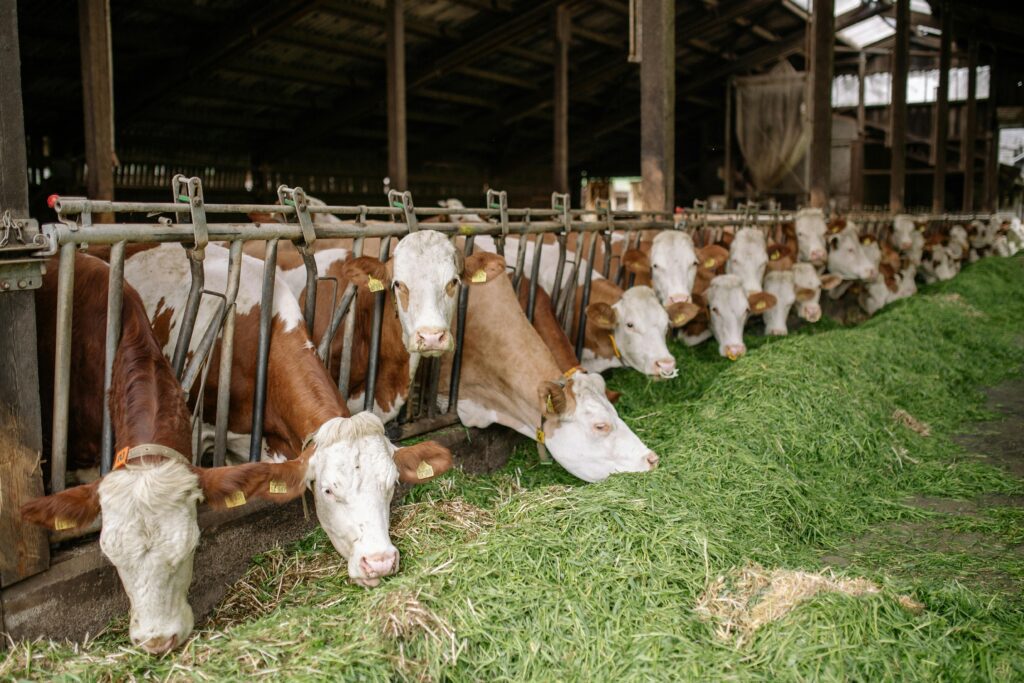
Cattle Feed Changes With Seasons
10 Powerful Ways to Feed Cattle. Summer heat often dries up pastures, pushing feed costs higher when grass runs low. When rains arrive, fields grow thick with fresh greens, reducing expenses for animal feed. Monsoon months bring lush growth – this means animals eat well without extra cost. Dry spells create shortages, so buying feed becomes necessary even if prices rise fast.
Some ranchers stockpile extras from wet times to avoid trouble later on. Preserving cut grass as hay helps bridge gaps when nature gives less. Silage storage turns seasonal plenty into future backup without waste. Most of the time, weather patterns shape how food gets stored for later. When rains come early, grazing lasts longer, which delays the need for stored supplies.
10 Powerful Ways To Feed Cattle: A slow shift into dry months means animals eat less bought food at first. If winter hits hard, backup stock already sits ready in sheds. Prices tend to jump when pastures brown too fast. Those who watch temperature shifts closely adjust portions ahead of time. Stockpiling during mild stretches prevents last-minute purchases.
Water’s Role in Feed Efficiency
Powerful Ways To Feed Cattle. It rains a lot, yet folks forget how much cows rely on water to get the most from their meals. Because when they drink well, breaking down food becomes easier, pulling out what matters from each bite. Without fresh water nearby, eating slows down – no matter how good the feed looks in the bag. So even solid nutrition loses power if thirst lingers too long.
10 Powerful Ways to Feed Cattle. Prices climb anyway, since hungry animals need extra portions just to stay even. Water must stay clean and ready at all times so cows can get full value from their food. When tanks or troughs are refreshed often, intake stays steady even when temperatures rise.
Heat tends to reduce drinking, yet a steady supply keeps eating patterns strong. Clean buckets or automatic systems help avoid drops in daily consumption. Powerful Ways To Feed Cattle chew more steadily when hydration never lags.
Powerful Ways To Feed Cattle. Each sip supports how well they process what’s offered. During long sun stretches, attention shifts naturally toward fluid needs. Maintenance of watering spots becomes quite a vital work then. A cow eats better simply because it drinks without pause.
Breed Choice Affects How Well Animals Use Feed
Powerful Ways To Feed Cattle Most folks overlook how much difference a cow’s kind makes when it comes to eating up feed. Yet certain types turn every bite into milk or muscle far better than the rest. Others chew through heaps of grain without giving back nearly as much. Picking those that do more with less means fewer trips to refill troughs.
When prices climb, having these kinds around softens the hit on budgets. Powerful Ways To Feed Cattle. It is not only the bucket going into the pen that counts – just who stands inside matters just as much. Starting with mixed breeds might lead to hardier animals that need less costly food.
Powerful Ways To Feed Cattle Over time, picking the right ones for local conditions cuts down on bought-in feed. These choices add up to smarter resource use on farms. Better feeding habits grow naturally when livestock fit their environment. Lasting results come from matching animals to where they live.
Technology Improves How Feed Is Managed
Powerful Ways To Feed Cattle. Out here, screens guide how cows eat now. Phones in pockets show updates when meals happen. Weight checks turn into numbers on a screen each morning. Machines hand out food at set times without someone needing to push buttons.
What gets eaten shows up as lines on charts later that day. Growth rates become clear after weeks of these records stacking up. Mistakes in portions become obvious once patterns form. Extra feed left behind? That number stands out loud. Changes get made before too much vanishes uneaten.
Decisions grow sharper because guesses fade away. Farmers move fast when feed prices shift, thanks to tech nudging better choices at the right moment. Tiny farms gain ground, too – basic apps reshape how cows get fed without fuss.
Economic Planning For Feed Management
Powerful Ways To Feed Cattle: Figuring out money stuff matters when paying for cow food. A set amount put aside just for feed makes things easier to handle over time. Look at past buying patterns, how much gets used, what ends up wasted – this shows where savings might happen. Prices jump around now and then; being ready financially means changes won’t throw everything off balance.
Feeding cows well isn’t only about health – it ties closely into handling cash wisely too. Powerful Ways To Feed Cattle. When prices drop, buying in bulk might save money – if storage keeps feed fresh. Staying steady amid high costs often comes down to how carefully a farmer plans spending.
Regular Health Checkups Matter
Most times, a cow feeling unwell will ignore its food. When illness hits, digestion slows down, so even if they do eat, much of it goes unused. Watching what cows chew on tells part of the story, yet unseen issues hide beneath powerful Ways To Feed powerful Ways To Feed Cattle.
A visit from the vet every few weeks catches problems before they grow. Shots given early stop sickness spreading through the herd.Worm treatments clear internal blocks that steal nutrition. Health routines built quietly into daily work keep animals making full use of their meals. Because healthy animals need less food to stay productive, rising costs for cattle feed hit farmers a little softer. So when care goes into keeping livestock well, each pound of feed does more work behind the scenes.
Feed Processing Methods Improve Use
Chopped plants go down easier when cows eat them. Breaking stems apart means less gets tossed aside in the barnyard.
Powerful Ways To Feed Cattle: Ground grains open up nutrients locked inside hard shells. Fermenting meals transforms rough material into something softer, richer.
Treated stalks deliver more goodness from each bite taken slowly at dusk. Animals keep fuller on smaller piles when what they chew has been changed beforehand. Most folks see better results when they tweak how grain is handled before giving it to livestock. Powerful Ways To Feed Cattle. When prices climb, small changes in preparation make a big difference in what animals gain.
Handling matters more than extra spending. Done right, the same amount feeds longer. Less waste shows up fast on the balance sheet. What counts most isn’t buying more – it’s using smarter steps from the start.
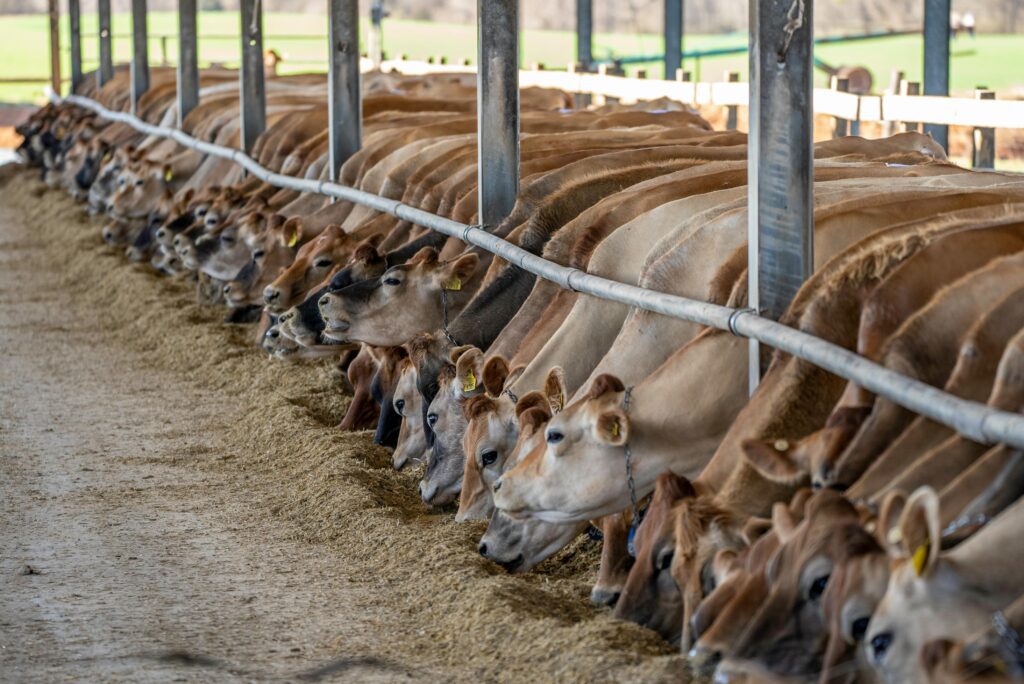
Group Feeding Compared to Individual Feeding
Powerful Ways To Feed Cattle: Picking how to feed matters when making the most of what cows eat. Though lots of farms feed animals together, stronger ones often take bigger shares. When one gets too much, another might get too little. Separate meals fix that – each cow eats just what it needs. Portion control like this cuts down on extra waste. It takes extra time, sure.
Still, giving only what’s needed means less money lost when prices climb. Handling food this way keeps things steady even when costs rise.
Keeping Records in Cattle Feeding Matters
Every day, jotting down what cows eat helps keep things running smoothly. Watch the numbers on milk output alongside how much weight each animal packs on. Powerful Ways To Feed Cattle. Instead of guessing, look at those notes to spot trends over time. When something seems off, changes come easier with facts in hand.
Health updates mixed with meal logs show exactly where tweaks are needed. Because records are kept, spotting how shifts in feed costs affect profit becomes possible. When numbers reflect reality, choices about what cows eat grow sharper over time.
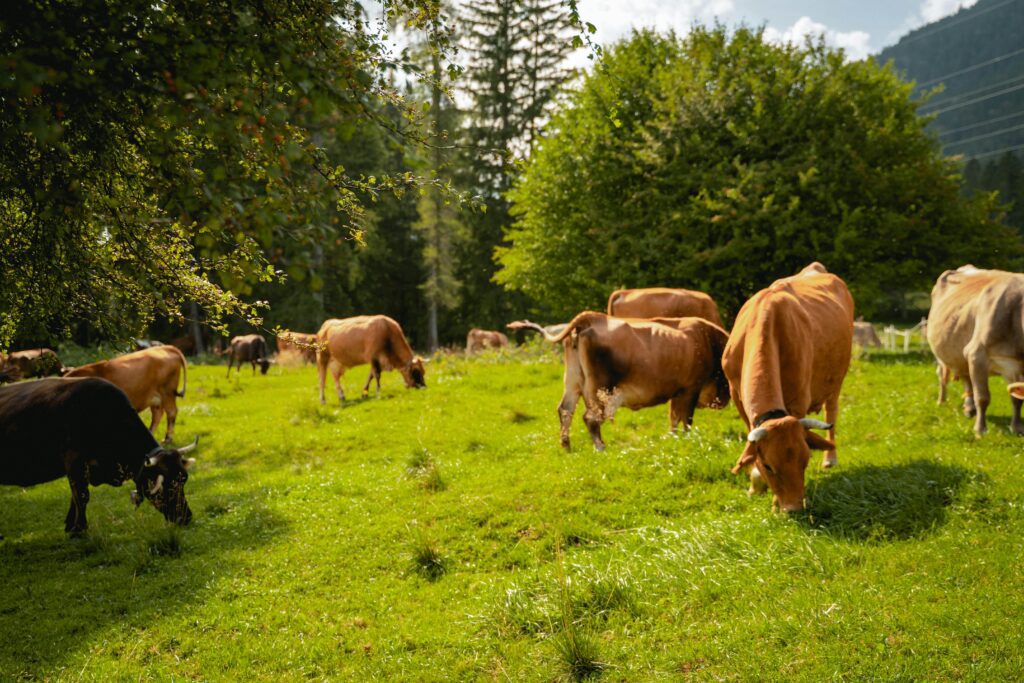
Lower Costs, Higher Profits
Powerful ways of feeding cattle mean less need for costly store-bought feed. Because they rely more on what grows nearby, farms spend less. When feed costs go down just a bit, the difference adds up after months, particularly with many animals.
Better animal health and productivity
Now and then, a mix of balanced ingredients in cattle feed brings better digestion, stronger defenses, and more output from each animal. Because they stay healthier, treatments happen less often – cutting down expenses along the way. When meals are well planned, cows give milk at a stable rate while gaining weight reliably, keeping earnings on an even path.
Reduced Feed Wastage
Powerful Ways To Feed Cattle Waste drops when systems work better. Messy handling tends to spill good feed on the ground – costs climb fast because of it. Tightly sealed storage, measured servings, plus smart delivery methods keep each crumb where it belongs. Little bits add up when nothing slips through cracks.
10 Powerful Ways to Feed Cattle
Most farmers spend less when they skip store-bought feed and turn instead to what grows nearby – stalks left after harvest, fresh grasses, even leftover bits from crops. Powerful Ways To Feed Cattle Costs drop once you start mixing these into meals every day.
Prices for regular feed climb now and then, yet local options help avoid those spikes. Clever feeding means watching what’s around your region and making it part of the routine. Using nearby supplies reshapes how cows eat without stretching budgets.
- Practice Silage Making
Storing extra crops when they’re plentiful helps cut future expenses. When harvests flood the market, setting some aside means less need to purchase later. Powerful Ways To Feed Cattle. Feeding animals becomes more predictable if the supply stays steady through lean times. Sudden jumps in feed prices lose their sting when reserves are already on hand. Getting the process right keeps nutrients locked in over months of storage.
- Balanced Ration Formulation
A well-mixed diet keeps cows working at their best. Too much food, too little – either way, money slips away. When feeding follows research, each animal gets what it needs: protein here, carbs there, along with the right bits of vitamins and minerals. That balance means fewer extra buckets of supplement piling up unused.
- Grow Your Own Fodder
Growing your own animal feed – maize, sorghum, or napier grass – cuts down on buying commercial cattle feed. When farmers produce it themselves, they keep a tighter grip on freshness and supply. Price swings in store-bought feed stop being such a big concern. Relying on homegrown options ranks among the smarter long-term choices for feeding livestock.
- Feed Additives Used Carefully
Most days, adding certain supplements to what cows eat leads to better breakdown of food inside their bodies. Because of this shift, nutrients get pulled out more completely from each bite taken. Efficiency climbs when these extras are mixed in just right – less remains wasted. As a result, fewer total portions need to be served over time.
- Implement Rotational Grazing
Pasture rotation lets cows eat new grass while resting tired ground. Because of this, less hay needs hauling in from storage sheds. As animals move across fields, their habits match how they’d act outdoors naturally. Powerful Ways To Feed Cattle. When herds feed smart like this, expenses drop without forcing changes. Soil gains richness when hooves and manure work together across seasons.
- Store feed correctly to cut waste.
Mold sneaks in when the feed sits uncovered. Sealed bins keep moisture out, helping contents stay good longer. When stored right, even costly meals stretch further.
- Check how much feed animals eat often.
One way to spot problems is by watching individual feed intake. Too much food means higher expenses, yet too little leads to weaker output. Checking amounts often keeps feeding balanced, allowing changes when animals respond differently than expected.
- Utilize Agricultural By-products
Packed with nutrients, rice bran steps in where costly feeds fall short. Wheat bran joins it, sitting low on price tags yet high in supply. Powerful Ways To Feed Cattle Oilseed cakes mix into diets just right, filling gaps without draining wallets. Together, they soften the blow when feed costs climb fast. Worked into daily rations wisely, each supports strong animal health.
- Teach farm workers better ways to feed animals.
Wrong moves by people often lead to wasted animal food. When staff learn the right way to feed livestock, meals go further. Learning helps them handle amounts, keep supplies safe, and later checks matter too. Fewer mistakes mean lower costs over time.
Managing Cattle Feed Costs Challenges
Fluctuating Market Prices
Out of nowhere, cattle feed prices shift, shaking up a farmer’s spending plan. When costs jump fast, money goals get thrown off, messing with daily work on the farm. Powerful Ways To Feed Cattle Relying too much on store-bought animal food opens the door to bigger risks when markets swing.
Lack of Awareness About Efficient Feeding
Most farmers stick to old ways of feeding cows, never looking into newer ideas. Because of that, mistakes happen – too much food given, or the wrong kind – which pushes prices up for no reason.
Limited Access to Quality Resources
Powerful Ways To Feed Cattle. Out here, good animal food does not reach every area. Because of that, many who raise livestock must turn to costlier choices when prices climb. Fewer supplies mean tighter margins, especially where substitutes are hard to find. Rising costs hit harder when there are simply no better options nearby.
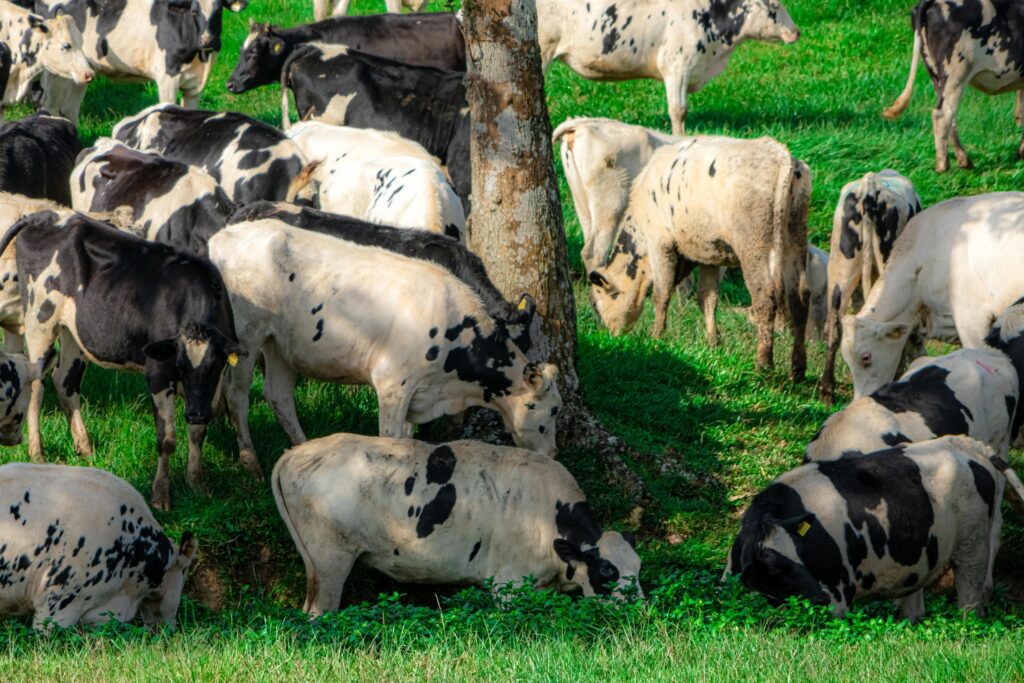
Solving Cattle Feed Shortages
Using New Ways to Feed
Besides better results, science-based feeding offers farmers a clearer path forward. Through training sessions or online tools, learning happens step by step – cutting waste becomes easier when knowledge grows slowly but steadily.
Government Help and Financial Aid
Farmers facing higher costs for animal food might find relief through government aid. Some nations provide assistance that eases budget strain. Powerful Ways To Feed Cattle. Using such options opens doors to cheaper supplies without heavy spending.
Powerful Ways To Feed Cattle. These paths aren’t always obvious, yet they exist where policies back agriculture. Relief arrives quietly, often in forms like grants or discounted resources.
Community-Based Feed Management
Cows eat less when farmers team up on buying food together. Because they pool money, prices drop without anyone spending more. One farmer learns a trick, others catch on fast – suddenly the whole group feeds animals smarter. Costs dip further when trucks deliver big loads to several farms at once. Learning spreads more easily where people talk over fences or coffee.
FAQs
- How can I reduce cattle feed costs without affecting productivity?
Farmers often save money when they rely on nearby sources for animal food instead of buying expensive options. Silage made locally cuts down spending over time because it uses what is already available around the farm.
Powerful Ways To Feed Cattle. Good planning of meals for cows keeps them healthy without needing costly supplements. Cheaper feeding happens naturally when routines include well-mixed diets.
- What is the best alternative to commercial cattle feed?
Farm leftovers, along with locally grown animal food, can work just as well as store-bought cow feed. These options save money while handling the climb in feeding costs without strain.
- Profit rise – could better cow meals be behind it?
Better nutrition keeps cows healthier, which often means more milk or weight gain. When animals get exactly what they need, less food gets wasted on the ground. A well-balanced diet can quietly boost farm income over time. Careful planning around meals supports both herd performance and bottom-line results.
- How does silage help in managing cattle feed price?
Powerful Ways To Feed Cattle Fodder saved as silage gives farmers a buffer when supplies run short, cutting back on costly feed buys later. Price hikes in animal food matter less when reserves are already locked away.
- What are common mistakes in cattle feeding?
Too much food, bad storage, wrong mix – these slipups hurt herd health. Fixing them cuts waste when costs climb. Mistakes in feeding add up fast, especially if portions are large. Poor handling invites spoilage, which raises expenses. Unbalanced diets slow growth, making every dollar count less. Getting ratios right means animals thrive without extra cost.
Conclusion
Powerful Ways To Feed Cattle Heavy prices on cow food hit hard, yet fixes exist through clever moves. Smart ways of serving meals to animals help cut spending while keeping output steady. Local materials offer one path forward, bringing down the bill when used well.
Growing your own grass feeds cuts outside buying, saving cash over time. Storing wet plant matter for dry days stretches the supply further than expected. Tossing less away at each step adds up fast behind the scenes.
Powerful Ways To Feed Cattle. Success starts when you see what’s happening, map out steps, then follow through without stopping. Those working the land can handle higher expenses if they act early – this move shapes something stronger ahead. Using clever ways to manage cow food opens doors, puts power back in your hands, month after month
Pingback: Digital Twins in Agriculture: 5 Proven Ways They're Transforming Farming in 2026 -