
Table of Contents
Introduction
Smart Farming Made Clear?
The moment fresh numbers land, high-tech fields drop past habits, turning instead to gadgets such as monitors and flying scouts steered by smart software that redraws every task. Free from rigid patterns, farmers respond to real-time signals just seconds ahead of their next step. Every choice – drenching dirt, feeding plants, stopping bugs – rests on sharp facts pulled straight from ground and greenery.
As conditions shift, devices follow hidden moisture, sky heat, leaf strength, along with drifting cloud cover, ticking through changes nonstop. Fresh alerts keep arriving, letting the land speak up, revealing what it needs, piece by quiet piece. From silence, numbers begin guiding choices with sharper lines. When movement appears, zones change under watchful eyes that follow each step.
Farms today change fast, pushing clever tools right into the soil. With mouths to feed and less to go around, fresh ideas quietly take root just to keep plates full. Machines that decide Smart Farming for themselves boost yields without tearing up the ground.
Should skies stay dry or storms come sideways, systems tweak sowing schedules all by instinct. Even when downpours delay or vanish entirely, dinner makes it home – life pushes forward, no matter the sky.
Smart Farming Matters Now
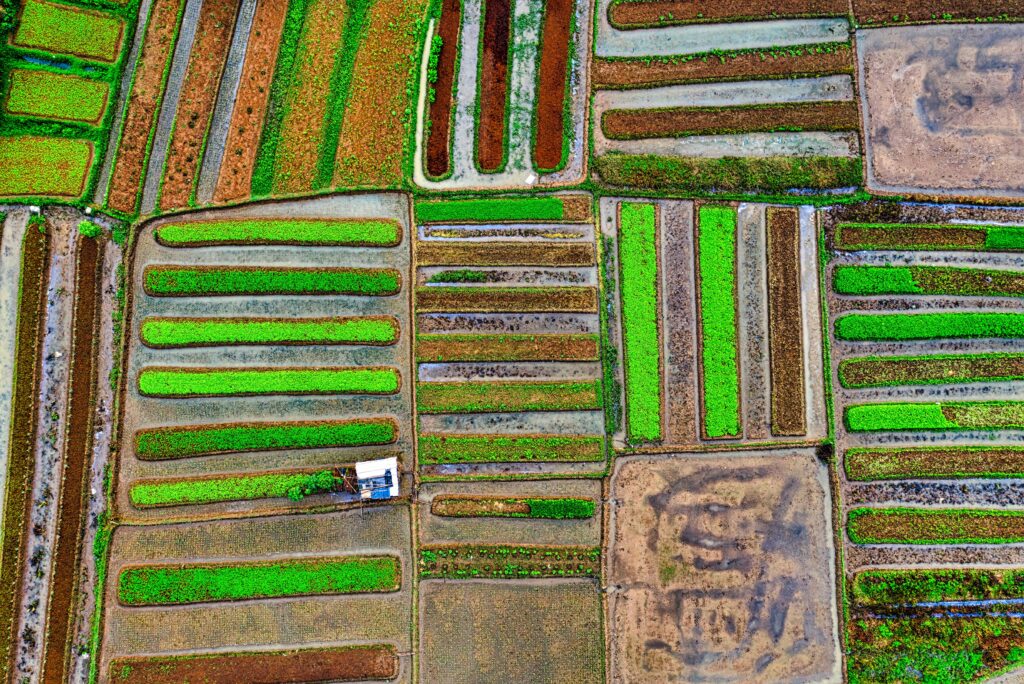
Lately, farming has leaned into sharper habits. Not just because seasons act up, but streams shrink, and soil fades in scattered corners. Every field runs its own race, so blanket fixes slip through without notice. Instead of guessing, gear now sniffs out thirsty zones – dampness shows up in Smart Farming when called. Less waste flows, plants perk a little when water hits only where roots stand.
Farmers earn more when they grow smarter. Thanks to updated methods, costs shrink even as harvests improve. Stronger quality tends to lift what customers will spend. When sale values climb, income follows right after. Farming looks new once practices change.
Not Smart Farming, even heavy rains crack designs made wise. Where decisions listen to weather signs, damage eases up. Gentle months help tasks flow smoothly. What comes next won’t only shift – survival demands learning.
Smart Farming Advantages
Increase in Output and Speed
When sensors catch problems fast, plants receive exactly what they require. Information flows through machines quickly, moving beyond relying only on how things look. As the environment shifts outside, choices adapt right along with it. Steps become more accurate once data leads the way.
Over time, careful attention helps crops grow stronger. Predicting outcomes, Smart Farming gets simpler the longer you go. Where real-time changes happen, past routines tend to disappear. As farmers observe how things develop, their tools change on their own.
Over open farmland, technology helps farmers cover greater areas without tiring. Because of automation, manual labor drops off, time opens up, and expenses shrink, too. When repetitive jobs slip away, focus naturally drifts toward what matters most. Predictable results take shape – consistent yields, reliable patterns – powered by quiet advances working just out of sight.
Resource Optimization
Beyond open farmland, machines handle watering with precise aim. Rather than soaking entire plots, tiny streams travel narrow paths straight to waiting roots. When Earth loses dampness, clever detectors spot the change – releasing a drip only if required. Moisture stays grounded since delivery lines up with demand. Wasted runoff fades almost completely.
Motion ties to necessity, never routine. Pouring stuff without checking quietly damaged the earth bit by bit. These days, gadgets in Smart Farming keep an eye out, cutting waste by giving only what’s required right when it’s due.
Farms shift when skies change – shielding the earth cuts down leftovers. Thanks to clever tools, spending drops even as earnings climb. Free from fixed habits, plants now react as conditions update. Less spill flows away, dirt holds its strength for seasons beyond. Growing alongside weather rhythms opens doors for fresh hands on fertile ground.
Improved Crop Quality
Close watching of plants ensures timely help. Because sensors spot shifts nonstop, every seedling thrives under ideal conditions. Stronger development shows at harvest – sturdier stalks, fuller grains. When produce looks crisper, customers pay attention faster. Higher value usually follows once quality improves.
Pictures pop up on screens well ahead of any yellowing edges. Outta the blue, invaders appear – but gadgets catch whispers of harm early. Growers hear warnings faster than insects spread, so steps start earlier, too. When moves match bug speed, fewer plants vanish.
Stability holds Smart Farming in fields because shields rise before danger takes root. Beyond the chaos of fiercer storms today, plants push through tough conditions more easily than they once did. When the turbulence fades past field edges, life tends to surge forward again.
Smart Farming Methods
Precision Agriculture
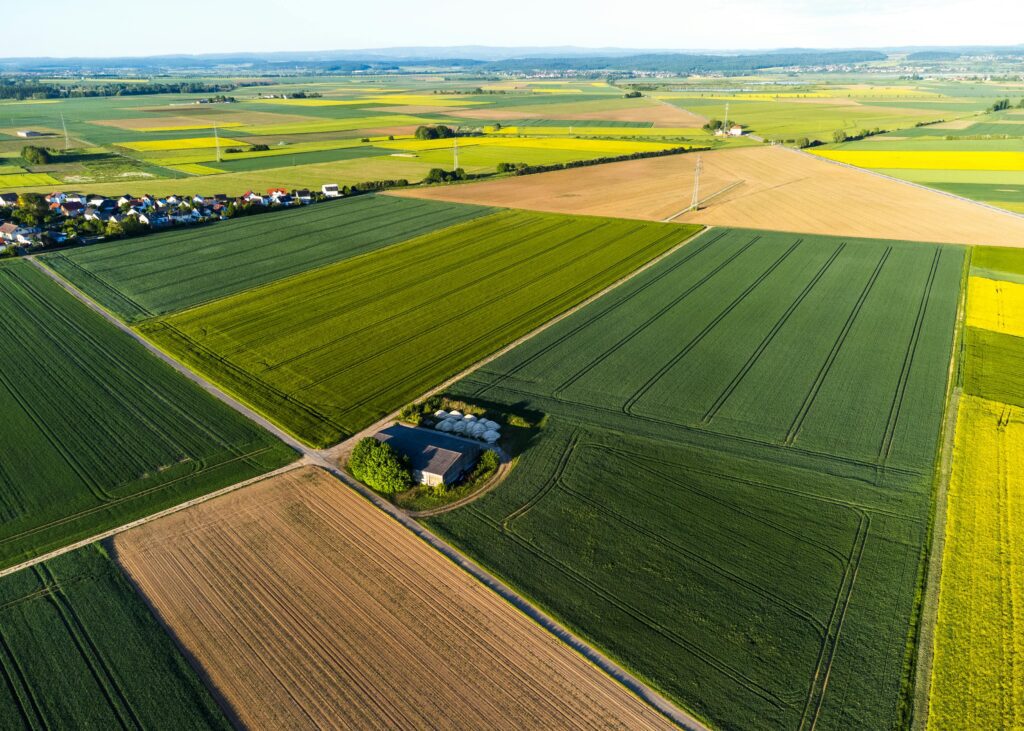
Now past the fields, changes kick off as gadgets catch the quiet talk of earth. Wide-awake instruments, pinned to sky lights, track each young stem reaching up. When cracks show in one spot, liquid arrives only there – drowning whole areas vanishes like old news.
Patches swap data in digits, murmuring about brown tips or worn ground below. First comes the question, then the direction of aid follows. Where Smart Farming support goes depends on that moment’s need, guided by present conditions instead of old patterns. What arrives matches what exists now.
Out here, soil struggles – aid comes through, rare elsewhere. Eyes on the ground mean moves are sharp, never blind. Costs dip quickly when work targets just what it needs. Water flows cleaner once irrigation finishes its job. When storms change when they arrive, good decisions still shape which seeds go into the ground. Yields rise at a steady pace as long as farming respects nature’s boundaries.
Smart devices help farmers track crops and animals
Beneath the soil, tiny devices detect dampness, meanwhile rooftop scanners track changes in clouds – all while noting green growth nearby. One piece won’t work alone; rather, they exchange signals among each other, no human close by needed. Data moves toward one spot, rests there till connections form out of chaos.
Once organized, it sends alerts showing up later on the displays that folks eventually glance at. A single hiccup can suddenly reveal countless flaws hiding within linked systems. Without making guesses, modern setups rely on constant flows of information slipping seamlessly between gadgets.
Over open ground, sensors wait without noise, noticing changes themselves. As conditions shift, warnings appear – immediate, never late. Rain falls or sun burns, machines adjust water and nutrients in silence. Plants receive support exactly when data speaks. Higher harvests arrive after steps match the signals.
Automated Irrigation Systems
Machines handle field watering today, offering something neater. As soon as roots want water, it shows up – triggered by signals from sensors under the soil. Programs open valves, ending rough estimates based on looks or clocks. Moisture settles nearby, barely escaping between crop lines.
Hoses stay put daily, untouched since tools reposition themselves when needed. When Smart Farming clouds vanish, each bit of moisture counts more than ever. Thanks to smart tools speaking up, flow adjusts – always precise, never wasteful.
Moisture sticks around at the perfect level, helping plants thrive with clever irrigation tools. Overwatering? Not here – roots keep firm because damp stays under control. Shifts in climate push farmers to trust these setups – each sip of water matters today. Fields running on this approach gather bigger yields while keeping costs flat.
Smart Farming Challenges
High Initial Investment
Out here, diving into high-tech farming rarely goes without hiccups, despite its benefits. Sensors, drones – costs pile up before long. Tighter budgets hit smaller farms hardest. When dollars are deep in play, experiments start feeling risky, leaving many to step back.
Farms quietly grow sharper, their reach stretching bit by bit. Into places that slept long, groups start stepping, closing gaps left open before. What gets made goes further now, though Smart Farming effort hides more, tucked away. As habits wobble off track, aid shows up – fast, like water hitting parched ground.
Lack of Technical Knowledge
Something appears, unannounced, in fields where hands once moved freely. Though meant to help, the machines stand idle because they look strange. Not understanding stops motion more than broken parts ever could. Quiet metal takes up space while old ways keep running. Puzzlement locks potential inside unused frames.
Starting over helps farmers pick things up quicker. Because clear ideas matter, Smart Farming teaching must match daily work. It feels correct just once each part becomes visible. With forecasts guiding choices, planting shifts smoothly. Learning sticks better if dirt and rain play a role.
A shape takes form when fingers pause, unsure. Still, when a way opens, hesitation sheds itself like old bark. Decisions rise not from chance but from watching – soil shift, wind lean, sky thicken. With each turning month, Smart Farming yesterday’s thought sinks into today’s work. Ability builds in doing again and again, until understanding walks beside you without speaking.
Data Management Issues
Numbers rush into fields quicker now. If tools clash, information stacks turn chaotic. Skip structure, understanding is drowned in clutter. Plans lose edge when vision blurs for too long.
Every morning feels different since predictions shift like ocean waves. Records flow smoothly, helping crops adapt without abrupt changes. Small fixes spread through weeks add up to Smart Farming’s reliable harvests. Exact figures make seeding decisions feel quieter, more sure. With precision held close, planning settles into a slower rhythm.
Smart Farming Solutions
Smart Farming Ahead in India
Looking ahead, smart farming in India seems full of promise as tech slowly reaches even remote fields. Not just large landholders anymore – small and mid-sized growers are stepping into this space too. With support from policy efforts like financial aid and hands-on workshops,
learning new methods feels less out of reach. Access to modern gear is growing, thanks partly to structured guidance that clears up confusion. Change is quiet but steady, unfolding plot by plot across villages where old ways once ruled completely.
With climate shifts becoming harder to ignore, farms are turning to smarter ways of growing food. Drip systems deliver water right where it’s needed, avoiding waste while Smart Farming crops grow stronger. Sensors buried in fields track dampness levels so watering happens only when necessary.
Weather forecasts guide planting times, reducing risks tied to sudden changes. Better harvests come not from guesswork but from information gathered daily. Decisions once made by habit now rely on what the land actually says. Efficiency rises because each choice connects directly to real-time conditions.
Soon, artificial intelligence will grow alongside internet-connected devices and flying machines out in the fields. These tools help farms run more smoothly while boosting what they earn at harvest. From a phone, someone working the land can check how crops are doing at any hour. Choices about watering or planting come straight from fresh updates sent right then.
Not just about growing more, smart farming also helps care for the land over time. With less harm to nature, it makes room for smarter ways to use water and soil. India’s farms could grow stronger in the years ahead by trying these methods now.
Government Help and Financial Aid
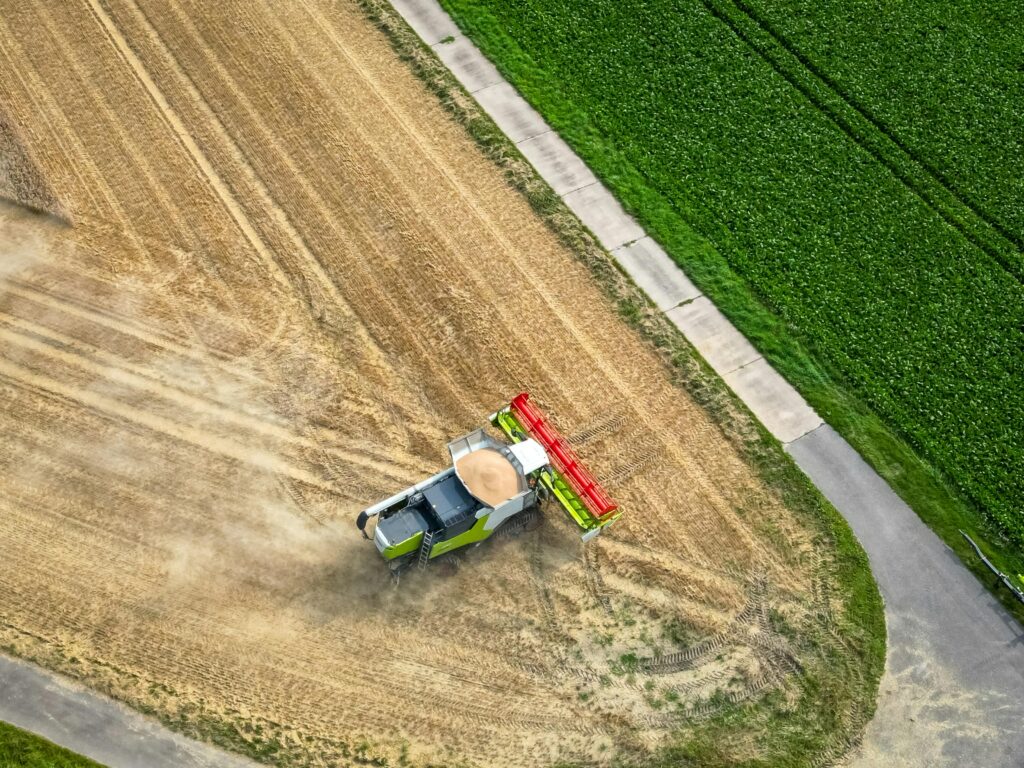
Now farmers can test gadgets that think for themselves, thanks to cash from leaders keen on modern farming. Machines hum with tiny sensors, spotting needs before problems grow large. With funds arriving quietly through grants, high costs melt away like frost at dawn.
Risk shrinks when wallets stay full, making bold changes feel light instead of daunting. Some soil experts once doubted such shifts would stick – now they watch closely as fields learn to adapt. Change creeps in not with shouts but steady steps, guided by quiet funding and sharper tools.
Open air, wild with storms, hosts their first movements across stretched-out ground. Rain falls in strange beats, yet bodies gather anyway – growing strength not by talk but motion, one careful move at a time. Knowledge passes from thought to touch, shaped by fingers that push deep then pause. Help arrives quietly, tucked inside ridges left behind, young plants sliding unseen into the earth.
Training and awareness programs
Working the land shifts when tools change. After trying them out, people see things they didn’t before. Little by little, using machines rewires how tasks get done. At first, it’s just small steps – later, tweaks become routine without much thought. Outside screens now, learning takes shape more than inside them. For some time, a method holds up, then fades without warning.
Every growing season brings something different, so experience helps more than guesses. Weather shifts constantly, and still watching how the Earth reacts guides solid decisions. Learning what works often separates good harvests from poor ones. Even as tools improve slowly,
those fluent with machinery tend to pull ahead. Methods shift over time – awareness prevents steep setbacks, though. Facing fresh hurdles yearly means preparation matters deeply.
Affordable Technology Solutions
Cash shapes who gets to try farm tech first. Yet startups craft gadgets light on price tags – built for growers working modest land. This change nudges clever fixes closer to reach, even when funds dip low. Simple builds rise where shiny finishes once ruled. Moves start not in spotless labs, but in soil cracked under worn palms.
Farming reaches farther when phone apps join forces with tiny sensors in the field. Thanks to cheaper devices, dealing with sudden weather shifts has become doable. Compact setups now offer clever strategies that used to belong only to large farms. If storms scramble schedules, practical tech helps keep things moving. What felt out of sync before now fits together without hassle.
FAQs
- What is smart farming?
Fields now follow signals wired right into the dirt, moving beyond how things once were done. No more hunches – gadgets murmur to ground, helping crops find their stride. Gears stand ready, awake, as sensors pass messages across cables and open space. Forward motion isn’t just routine anymore; it sparks when data flows. Old ways still hover near, yet patterns born of machines pull tomorrow into view.
- How does climate-smart farming help farmers?
Wind shifts make crops bend, helping soil stay put even when the weather swings hard. They give instead of holding tight – roots finding cracks in stone – to handle floods just as well as dry spells.
- Is it possible for tech-driven agriculture to boost harvest amounts?
Fresh tools nudge farming habits toward sharper routines – water flows smarter, seed choices tighten up. Close tracking of green shoots tags along, usually lifting yields without fanfare. Routines shift under new signals; live feedback slips into decisions just before moments matter most.
- Is smart farming expensive?
Eventually, better techniques lead to higher earnings. Sure enough, expenses rise early on. When it’s time to gather the crop, larger yields mean more income lands in the farmer’s pocket.
- What technologies are used in smart farming?
Farms now rely on gadgets like sensors, tied together through online networks, sharing data back and forth. Above them, drones hover, adding fresh observations to what’s already known. Little by little, jobs once managed by careful hands move over to quiet machines, taking charge.
Conclusion
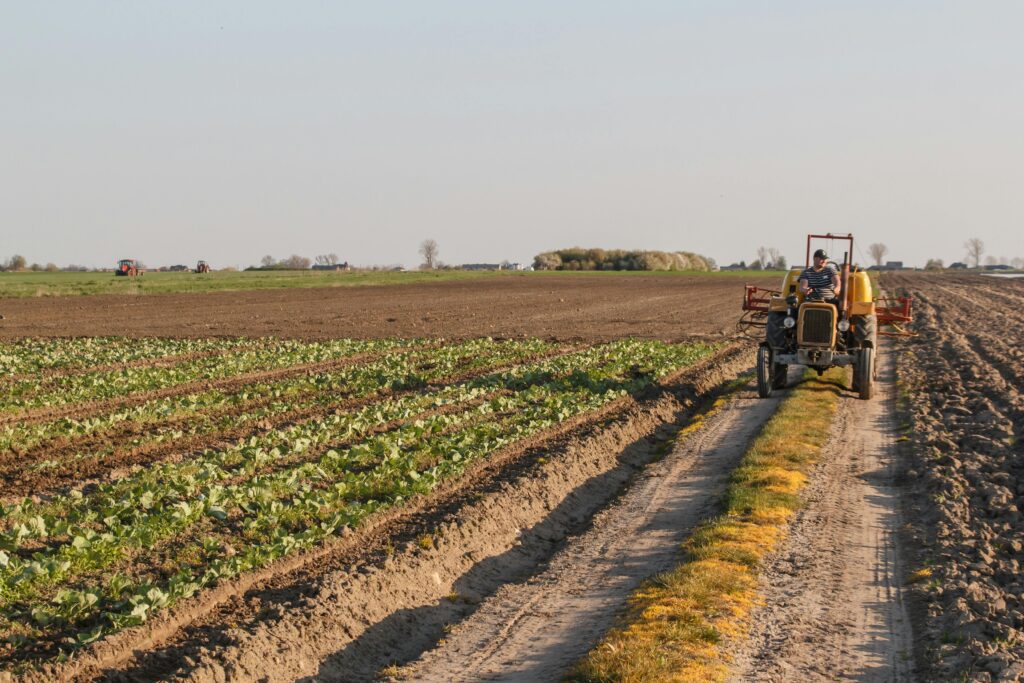
Machines listen to sensors now, out where crops grow. Guessing ends once data flows through each field. Decisions move with the sky’s mood, not old routines. Trouble gets spotted early, like when Earth begins drying out. Warnings arrive ahead of damage, quietly shaping choices.
Costs go down while yields rise, step by step. Seeing clearly shifts everything – how seeds meet soil, how plans unfold. Now and then, wild shifts in weather push changes faster – simpler routes emerge, flow finds a better beat. When choices follow what’s obvious, aims line up with real demands. Step by step, movement shows, shaped by constant small fixes, nothing left to chance. Despite stumbles, modern aids steer efforts into sharper ways. Feeding tomorrow leans on fresh thinking – smart twists pull it ahead
Great content! Keep up the good work!
Thank you! Really appreciate the support. Glad you found the content useful, and I’ll keep bringing more practical and informative posts. Thanks for reading!
Pingback: Heat Stress in Dairy Cattle: 7 Warning Signs to Protect Milk Yield -
Exactly. The real advantage of low-cost sensors is that they turn simple observations into actionable data. Whether in a field or a dairy shed, getting reliable information twice a day can help farmers make better decisions without investing in expensive technology.
Pingback: Agricultural Drones: The Essential 2026 Guide to Cost & ROI -
Pingback: Biochar for Soil Health: 7 Proven Ways to Boost Your Farm -