
Table of Contents
The Adaptation of Farming to Modern Technology
Farm-Tech has come a long way from manual agriculture to high-end tech-driven solutions in Farming. Farm tech is driving this change — helping farmers boost productivity by drastically reducing effort and wasted resources.
As food demand increases and natural resources come under pressure, a more efficient approach is no longer an option but a requirement.
Farmers strive to make more informed decisions by integrating farming technologies into day-to-day agricultural practices. Sensors, drones, and automated machinery enable computerised tracking of problems in real time and proactive management.
One of the major advancements in farming is precision farming, which employs data and analytics to improve and maximize your growing experience – from planting to harvesting. For farmers, this translates to increased yields, enhanced crop quality, and improved financial results.
Why Farmers Need Modern Tools
In the rapidly evolving landscape of today’s agriculture, farmers are fighting factors like uncertain weather conditions, soil depletion,n and labor shortages. And this is where Farm tech gains ground with efficient and reliable tools to address these problems.
These technologies also allow farmers to manage their land much more efficiently and minimize the risks of traditional farming methods.
Data-driven precision farming guarantees that every input—be it water, fertilizer, rs or pesticide—is applied in the right quantity and at the right time. This is not only making the process more efficient but also helping sustainable farming.
As a result, the advent of farming technology has enabled farmers to compete with global markets by consistently growing high-quality crops. Our exploration of the best tools for farming shows that innovations like these are the secret to lasting sustainability.
Benefits
Improved Productivity and Yield
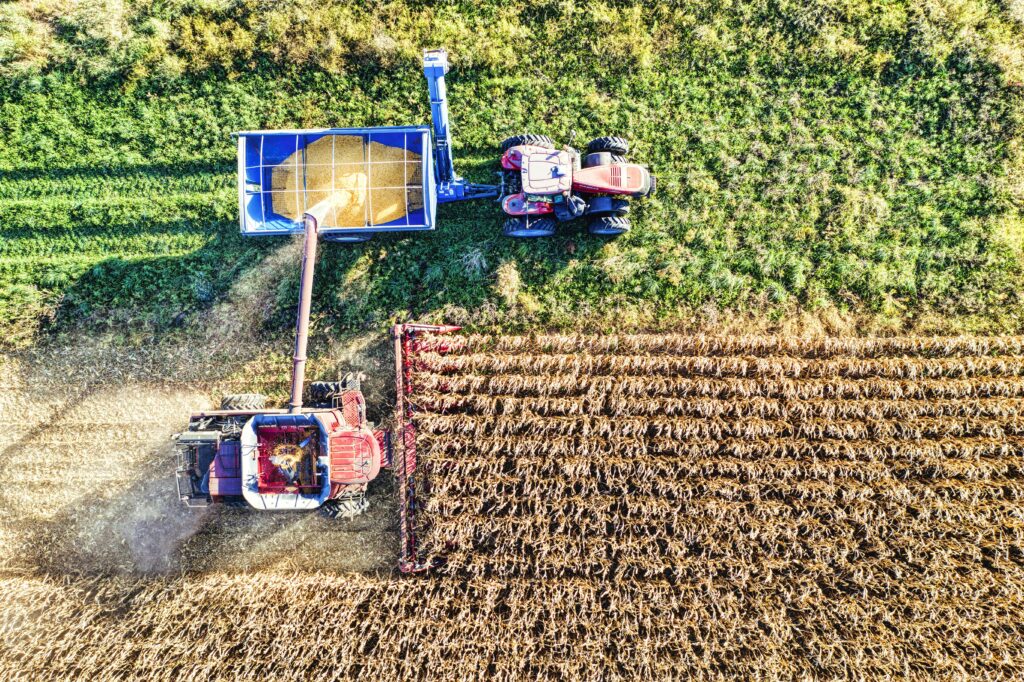
Improved productivity is probably one of the most important benefits of farm tech. Farmers can do work more quickly and accurately with the help of advanced tools. For instance, the planting and harvesting of crops can be done in an efficient, time-saving manner through automated machinery.
How do we prevent loss of yield due to factors like climate change? Precision farming is the answer. Farmers use data about soil conditions and crop health to help make informed decisions that produce better results.
Now, farming technology also makes sure that plants get the proper nutrients and care they need, which leads to the cultivation of more vigorous plants with greater yields. This increase in productivity translates into more income and better overall profitability for farmers.
Efficient Resource Management
One other major advantage of farm tech is the effectiveness in utilising resources. And though water, fertilizers, and pesticides are necessary to grow cucumbers, too much of one can lead to environmental pollution and higher production costs. With precision farming, farmers can track resource application and invest in inputs where needed.
Tools like the soil sensors and smart irrigation systems are farming technologies that help conserve water and reduce waste. Not only does this reduce costs, but it also encourages sustainability. Farm tech helps farmers strike a balance between productivity and environmental responsibility by optimizing the usage of resources.
Better Decision-Making Through Data
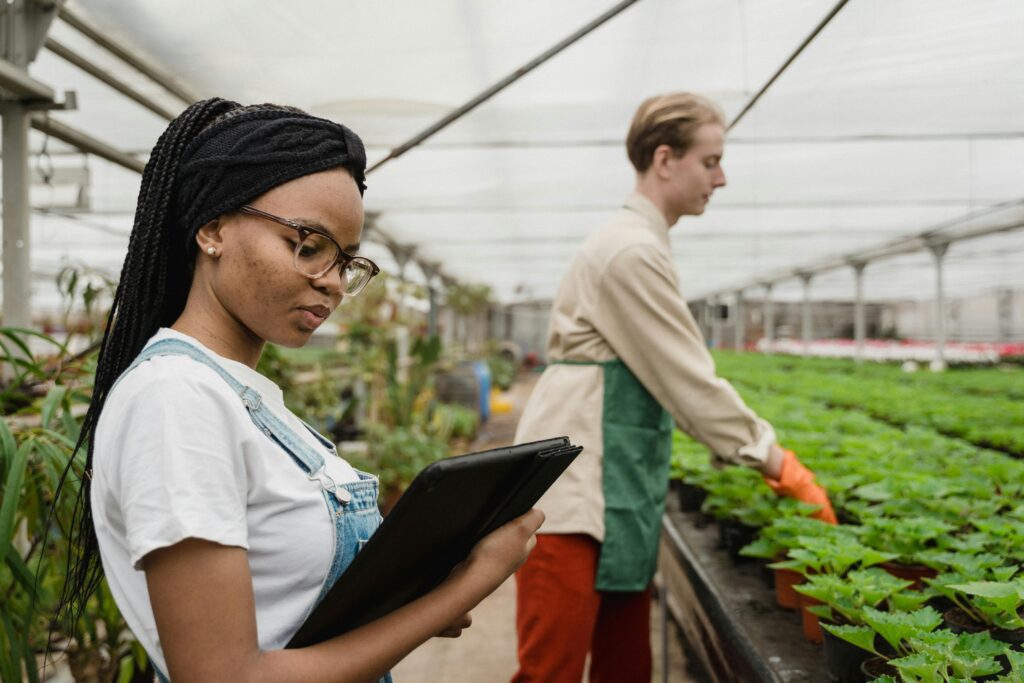
Farm tech can provide a big benefit in terms of data-driven decision-making. Automation gathers and analyzes data on soil, weather, and crop conditions. This enables farmers to plan their work better.
Precision agriculture is based on the concept of data-driven farming. Farmers are able to predict troubles with the help of farming technology and take precautionary steps. This minimizes risk and guarantees steady performance. Farmers can make informed decisions to drive better results with consistent data.
Techniques
Precision Agriculture Systems
It is one of the most important practices behind farm tech: Precision agriculture. To be handled with high accuracy using GPS, sensors, and data analytics. Farmers can track soil conditions, monitor crop growth, and use the inputs precisely.
Precision farming saves resources and improves efficiency by applying them only where needed. Farm technology tools like GPS tractors help ensure even planting and fertilizing. This technique greatly helps big farms, as they should handle resources smartly.
Smart Irrigation Tools
Farm tech provides the next level of smart irrigation systems because water management is so important to farming. These systems use sensors and weather data to calculate their precise water needs.
Precision farming makes sure the right crop gets the right amount of water at the ideal time. Agricultural technology helps to avoid both over-irrigation and under-irrigation, both of which can be devastating for crops. In regions where water scarcity is a concern, smart irrigation technologies are important in ensuring the conservation of this finite resource.
Agricultural Drones
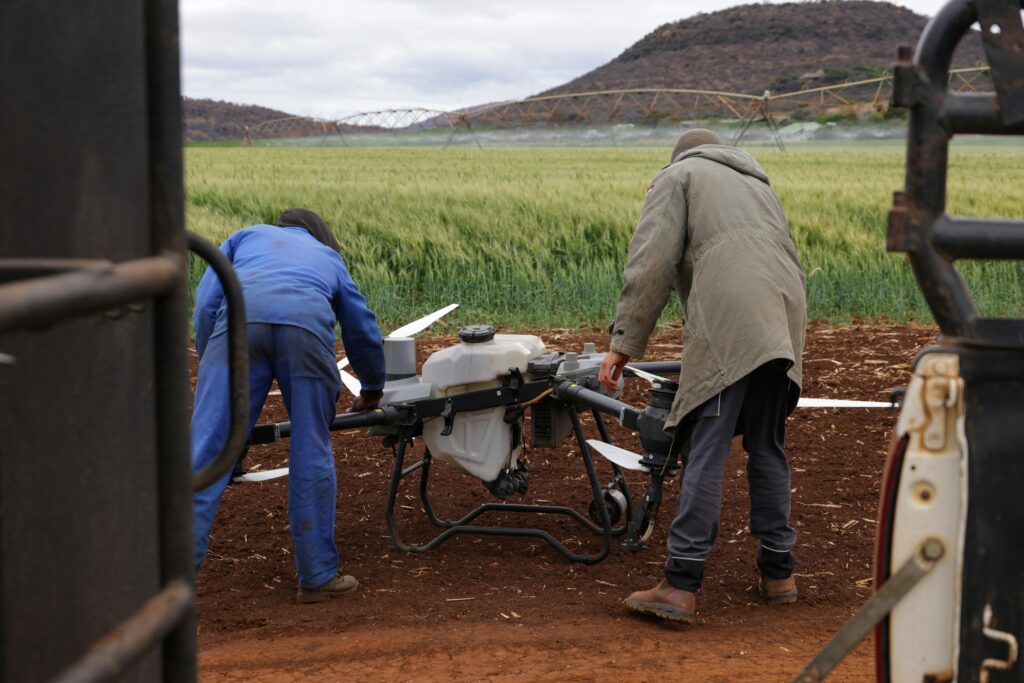
Drones are crucial in farm tech as they can do wide area coverage and sensor deployment. They deliver aerial images and data that help farmers monitor crop health and diagnose problems.
Crop data from drones is utilized in precision farming to adjust pest control or fertilization accordingly. Agricultural technology helps drones spray pesticides and fertilizers effectively, saving time and labor. This versatility, coupled with the benefits mentioned above, is why drones are now such a valuable tool to modern agriculture.
Automated Machinery
That is all proving to be revolutionary for farming, an industry with high labor costs and now comparatively few workers. Farm tech consists of tools like automated tractors and harvesters that do things with high precision.
Precision farming helps maintain uniformity and precision in functions. There are also a lot of emerging technologies that help farmers get work done quicker with fewer mistakes. Automated machines are very handy during peak seasons when the availability of labor is a constraint.
Farm Management Software
The second major part of farm tech is farm management software. It assists farmers in planning their operations, managing resources, and assessing output.
Precision farming depends on accurate data and planning, all of which can be simplified using software tools. Farm technology helps map crop health, finance, and manage operations. This allows farmers to streamline their processes and enhance productivity.
Challenges
High Initial Investment
The high initial cost is one of the major obstacles to accepting farm tech. In short, while technology offers many advantages, it does come with a cost and may not be available to all farmers.
Precision farming technologies can involve costly machinery and software. Available farming technology is a barrier to small-scale farmers with fewer financial resources. Nonetheless, the upfront costs are typically outweighed by the long-term benefits.
Lack of Technical Knowledge
The other challenge they face is that the farmers themselves do not have technical knowledge. Farm tech is not touchy-feely; it takes knowledge and skill to apply effectively.
Tools for precision farming can be complicated, and farmers may require training to use them. → The availability of education and support determines the adoption of farming technology. Farmers need knowledge; they won’t use these tools to their full potential.
Connectivity and Infrastructure Issues
Agricultural technology is dependent on internet connectivity and digital infrastructure. Many rural areas have no or weak access to reliable internet.
Real-time data and communication are required for precision farming. No tech can run its best without the basics of good infrastructure. This challenge must be overcome to enable widespread adoption.
Solutions
Government Support and Subsidies
Governments can also take steps to lower the barriers of entry for farm tech by offering financial support and subsidies. Through these initiatives, the cost of adopting advanced tools is reduced.
Government assistance improves access to precision farming technologies. They receive support for the adoption of farming technology. As a result, this stimulates entrepreneurial activity and the agricultural economy.
Training and Skill Development
Training and education are crucial to the successful use of farm tech. This includes learning how farmers can effectively implement modern tooling.
Precision farming requires knowledge and skill. These tools for farming technology training programs can help farmers learn how to apply them. Skill development knowledge comes from workshops, online courses, and community programs.
Improving Rural Infrastructure
Infrastructure improvement will be key for farm tech expansion. Open quoteAgriculture today requires reliable internet connectivity and access to digital tools.
Real-time data and communication are the basis of precision farming. Better infrastructure makes farming technology more effective. This is a challenge for both governments and private organizations.
FAQs
1. What is farm tech?
Farm tech is the use of enhanced tools and farming technology to drive better agricultural outcomes. Including such precision farming techniques as the use of modern equipment.
2. Why does precision farming help farmers?
Precision agriculture allows farmers to have efficient use of resources and increased productivity. It depends on farm tech and farming technology to get accurate data and insights.
3. Are smaller farmers using farm tech tools?
Not all small-scale farmers have smartphones and internet service, but farm tech tools can be adapted for use on small farms. With the right support, precision farming and agriculture tech can benefit farmers of all sizes.
4. What are the essential tools that farm tech employees? use
Some of the important tools include drones, smart irrigation systems, automated machinery, precision agriculture equipment, and farm management software. These are crucial for precision agriculture.
5. What is the cost of technology for farmers, and what solutions exist to pursue?
Farmers deal with factors like costly prices, ignorance,e and insufficient infrastructure. Unfortunately, barriers exist that may obstruct progress, but solutions such as training and subsidies can play a rolin removingve these obstacles.
Future Uses of Farm Technology
What was once seen as cutting-edge now appears on small plots as often as on large ones. Machines that felt like science fiction a decade ago now fit into everyday routines. Change does not only mean more crops per acre—minds adapt along with machinery.
Decisions unfold differently when data flows through tractors, drones watch fields, and sensors hum beneath soil. Farming reshapes itself quietly, one algorithm at a time, as old habits give way through gradual substitution.
Today’s farming tools stand out not just for speed but for their ability to detect issues early. Systems forecast conditions, so reacting late becomes less common. When forecasts combine with soil moisture readings, timing for sowing and irrigation becomes clearer. As decisions align earlier with nature’s patterns, harvests remain more stable from beginning to end.
A fast-moving area of farm innovation relies on smart algorithms instead of guesswork. Fields wired with sensors, along with drones and satellites, generate large amounts of data daily. When this data is organized, patterns emerge, bringing clarity where routine once dominated. Choices about crops, pests, and soil care become far more precise.
Traditional methods never reached this level of accuracy; earlier, timing depended more on habit than insight. Now decisions shift based on signals hidden within data, not just tradition. This shift allows farmers to respond with greater precision and confidence.
Modern tools also reduce environmental harm. With rising concern about climate change, sustainable farming matters more than ever. Automated irrigation and precision spraying help conserve water and reduce chemical use. As a result, soil health improves and remains productive over time.
Farm technology also opens new income paths. Farmers sell directly to buyers through digital platforms, reducing middlemen and increasing profits. Software simplifies tracking expenses and income, making management more efficient. Farms begin to run like structured businesses, producing not just crops but clearer financial outcomes.
Change begins when farming meets innovation. Adopting new methods can be challenging at first, but long-term benefits are strong. Support from agencies, experts, schools, and technology providers helps ease the transition and shortens the learning curve.
The future of farm technology promises even more progress. Autonomous machines may transform fieldwork, while digital records improve food tracking. Advances may help crops resist drought, disease, and extreme weather. More reliable harvests will strengthen food security where it is needed most.
Farm technology does not replace farmers—it strengthens them. When traditional knowledge blends with innovation, results improve without harming nature. The future of farming depends on using these tools wisely and sustainably.
In Everyday Farming, An Unseen Shift Farm technology isn’t coming in with guns blazing — it’s slowly becoming integrated into daily life. Rather than sweeping, conspicuous changes, it’s the little habits that are changing.
A farmer might check their phone before they go outside, consult a digital dashboard rather than just watching the sky, or combine instinct with sensor data. These gradual changes — steady shifts over time — are reshaping how farming operates.
Farming automation isn’t about robots from the future jumping in and taking control overnight. It’s more practical than that. Equipment such as self-driving tractors alleviates physical burden and allows farmers more time to concentrate on macro-level decisions
Machines that plant seeds with precision or harvest at the ideal moment increase efficiency and reduce waste. The objective is not to supplant people — it’s to enable their work to be performed more intelligently and easily. Smarter Decisions with Artificial Intelligence
How decision-making is changing for farmers with the use of artificial intelligence.ce It doesn’t simply process data — it learns from it. It can detect minor changes over time that would otherwise go under the radar by analyzing factors such as soil conditions, weather patterns, and crop performance.
Whether it’s a small change in leaf color or early indications of pests, these insights enable farmers to take action earlier and prevent bigger issues. In that sense, AI would be a constant and watchful partner.
Tools with which to Face Climate Uncertainty Better
As the weather becomes more unpredictable, farming has gotten riskier. Technology provides a measure of clarity within that uncertainty. Today’s forecasting tools integrate satellite data, historical trends, and real-time updates to provide farmers with a better idea of what’s on the horizon.
It’s not perfect, but it helps them make more confident decisions — such as when to plant and which crops to plant or how to prepare for extreme conditions.
How to Use Water Smarter for a Thirsty Planet. Water is getting scarcer, and agriculture relies on it so heavily. That’s where intelligent irrigation plays a role. Rather than ensure uniform watering of entire fields, these systems deliver water only to where it’s needed, depending on soil moisture and crop needs.
This method saves not only water but also keeps crops healthier, since overwatering can be just as harmful as underwatering. Today’s producers aren’t merely tilling the land — they’re also analyzing data. Digital tools can assist in tracking equipment, monitoring costs, and even analyzing market trends. That bigger picture helps farmers make better business decisions, such as when to sell or where to get the best returns.
Farming is increasingly about strategy as it is about cultivation. Food Supply Chains that are Transparent and Adapting. People are more interested than ever in where their food comes from. Technology is providing some of the answers. Technologies like blockchain can track food from farm to table, providing a transparent ledger of how food is produced.
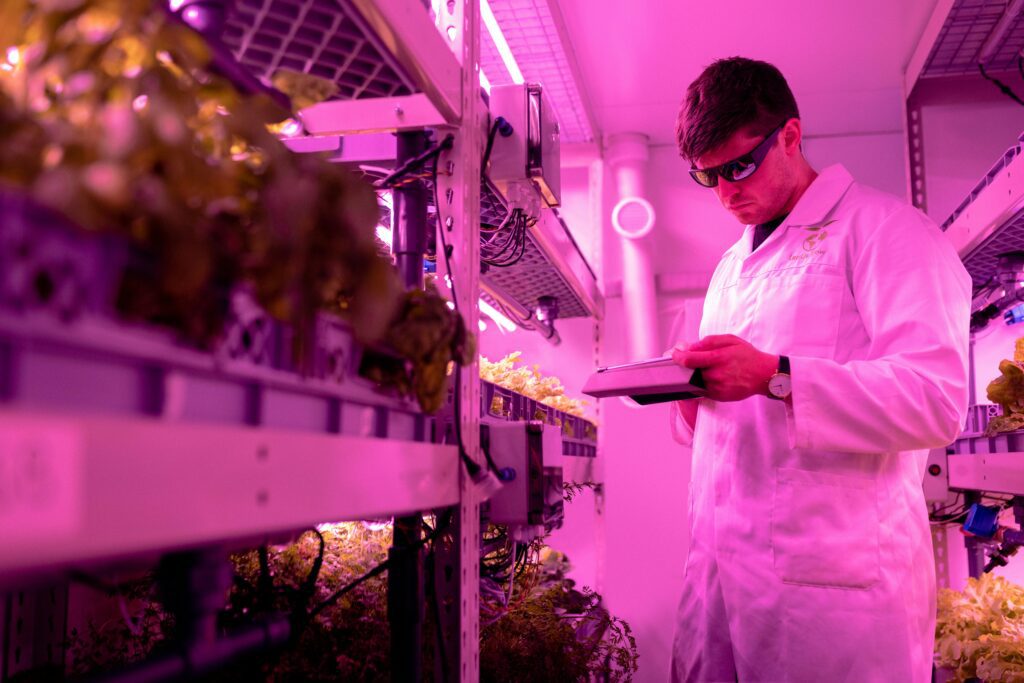
The Growth of Urban Agriculture Farmhouses are no longer confined to rural places. Urban agriculture is on the rise, enabled by innovations such as vertical farming and hydroponics. Farms can now be placed in warehouses or buildings in cities, with controlled growing conditions, far less water, and no soil required. And clearly,y while it won’t displace traditional farming, it’s a new layer in the food-in-the-pipeline to where people live.
Regenerative Farming Meets Modern Too.ls There’s increasing interest in regenerative agriculture, which aims to do more than sustain the land. Technology is also in play here. Sensors, drones, and software allow farmers to track soil health, biodiversity,y and long-term impact. In combining modern tools of food production with traditional modes of agriculture, farmers can create systems that are sustainable as well as productive. Roadblocks to Adoption
Not all farmers have equal access to these technologies. This can make it a challenge to find the right solution, particularly when cost may be a barrier for smaller farms. There’s a learning curve, too, and not everyone has training or reliable internet.
These challenges show that we need better support systems so that not one group of people innovates at the expense of the other. Despite these challenges, farm technology is getting easier to use. Tools will be developed to be simple enough that farmers don’t need technical knowledge to take advantage of them.
Mobile apps, for instance, distill complex data into easy-to-read visuals, enabling quick and informed decision-making. A More Connected Farming Future
In the future, farming will have a new relationship with technology: they won’t feel like an add-on. Sensors, drones, and digital platforms will collaborate to provide farmers with a more complete understanding of their land.
This connected process enables decision-making that is more informed and deliberate. Building Resilient Farms for Tomorrow, and the goal isn’t higher productivity, ultimately — it’s resilience. The farms must adjust to new situations and bounce back from difficulties.
Farming long has been about balance — between old ways of doing things and new ideas; risk and reward; nature and human work. What’s happening now is merely the next phase in that process. When used intentionally, technology doesn’t detract from the heart of farm-to-table—it enriches it, making way for a more stable, sustainable future.
Conclusion
But no one really is approaching the task of using technologies to reimagine the farm like this. In recent years, the agricultural sector has gone through a major digital revolution. With precision farming, the resources are utilized in a proper way to improve yields at a lower cost.
There are barriers like high investment, lack of knowledge, etc., but these can be overcome with the right support and training. Farming tech has huge potential in turning farmers into businessmen, which can also make it a good contribution to becoming part of world food security.
Farm tech & precision farming are the future of agriculture. Farmers who incorporate these advances will be better poised to overcome obstacles and succeed in the long run. To be more productive and sustainable for the future with farming-tech in habits, it is high time to act now!
Pingback: Digital Twins in Agriculture: 5 Proven Ways They're Transforming Farming in 2026 -
Pingback: Electronic ID Eartags for Cattle: The Critical 2026 Rule -
Exactly. The real value of farm technology comes from looking beyond the features and evaluating whether a tool delivers measurable results for the farm. Considering cost, usability, compatibility, and actual return can help producers make more informed technology investments.