
Table of Contents
Learning Chicken Breeding Basics
In Chicken breeding, raising chickens stands out as a down-to-earth way to farm, particularly suited for those working on modest plots. Breeding them carefully helps boost how much they lay and how well they grow. Start smart, stay consistent – results follow. Healthier birds often mean fewer problems later. Planning matters more than luck here.
Stronger flocks support both earnings and stable food supplies. Good timing makes routines easier to manage. Focus shifts naturally toward long-term gains when basics are covered. Productivity climbs when conditions align just right. Even minor improvements add up over months. Farmers notice changes before anyone else does.
Australorp chickens lay lots of eggs, so many choose them for production. Backyard keepers might prefer silkies, since they look unusual and sit on eggs well. Raising birds successfully starts with knowing what different types offer.
Flock health stays better when breed traits match the purpose. Commercial farms focus on output, yet even small setups benefit from smart choices. Picking suitable stock shapes how well things go over time.
A modern poultry farm setup showing efficient feeding systems used in mastering chicken breeding for higher productivity.
Selecting Suitable Chicken Breeding
In chicken breeding, picking the correct breed matters deeply when raising chickens. It shapes how well the flock performs, earns income, and sustains long-term operations. Each type brings different traits – some lay often, others grow fast, adjust easily, or resist sickness better.
When choices match aims – eggs, meat, or both – outcomes improve without extra work or spending more money. Take egg farming: choosing top layers makes far more sense than going for birds built to bulk up.
Picking the right chicken type shapes how well a farm performs. Some birds lay more eggs simply because of their genes, whereas others pack on weight quickly for meat.
Take the Australorp – it lays lots of eggs, which means more money over time. When raising chicks naturally matters, silkies stand out due to their urge to sit on nests. Choosing wisely lets farmers get more done using fewer machines or extra costs.
One thing to think about is how well a chicken handles change. Some places get very hot, others stay freezing for months. When it rains often, dampness matters just as much as temperature. Chickens built for warmth might struggle where nights turn icy without warning.
On the flip side, those meant for snow could overheat under strong sun. Picking one that fits your weather helps them eat better, move more, and stay alive longer.
Birds stressed by cold or heat tend to lay fewer eggs, no matter what you do. Matching type to place makes daily care simpler, almost natural. A rooster shivering in wet grass won’t thrive like one made for drizzle and wind. Even small mismatches add up fast when seasons shift hard. Comfortable hens act calmer, fight less, and survive tougher weeks.
In chicken breeding, the right fit means less worry when storms roll through. Breeds shaped by harsh lands often handle surprise chills best. What works near deserts fails in mountain valleys, always has. Local success depends on this kind of match, nothing else.
Fighting illness well shapes how farmers pick breeds. Because certain types handle typical bird sicknesses better, they often avoid heavy drug use while staying alive longer. Money stays saved. Birds stay stronger. When raising chickens right, tough genetics mean fewer losses over time plus steady results down the road.
It’s smart to think about who buys your farm goods. Picking chicken types that match local tastes makes sense most times. Some areas want big eggs, others care more about birds raised outside or without chemicals. Unique kinds, such as silkies, often sell for more because they look different and few people offer them. Knowing what buyers actually want can lead to better results at selling time.
One last thing – picking the correct chicken type helps make better use of what you’ve got. Some need more food, others grow faster, while certain ones take up less room. When the birds fit your setup, they turn feed into body weight more effectively.
Less gets wasted, costs stay down, profits rise. Getting this mix just right – the amount put in versus what comes out – is at the heart of running a farm that lasts and earns.
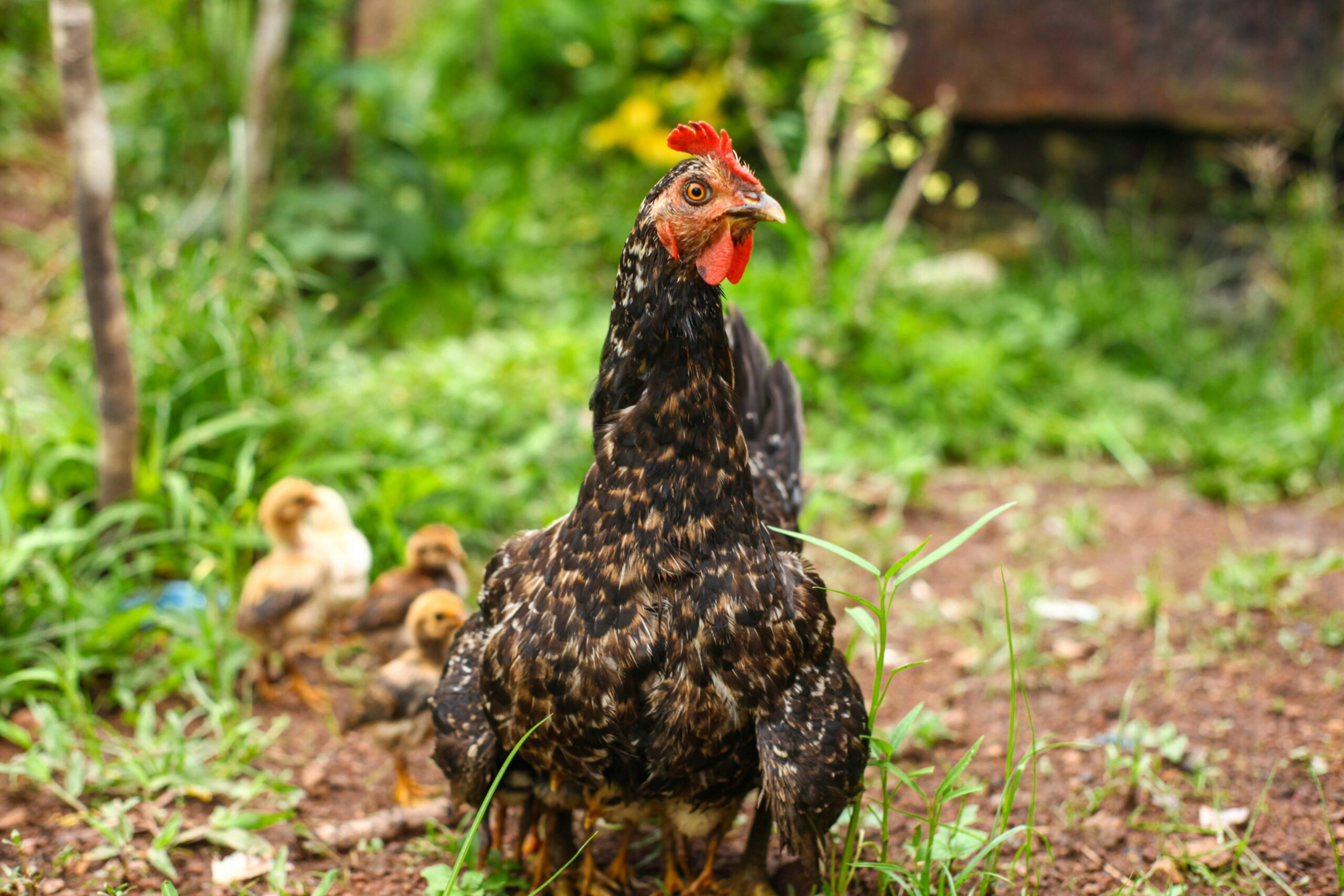
A mother hen sits tight on her eggs, warming them day after day. This quiet act shapes how chicks come to life without human help. Her steady heat keeps each one alive inside the shell. The way she shields them matters more than machines ever could.
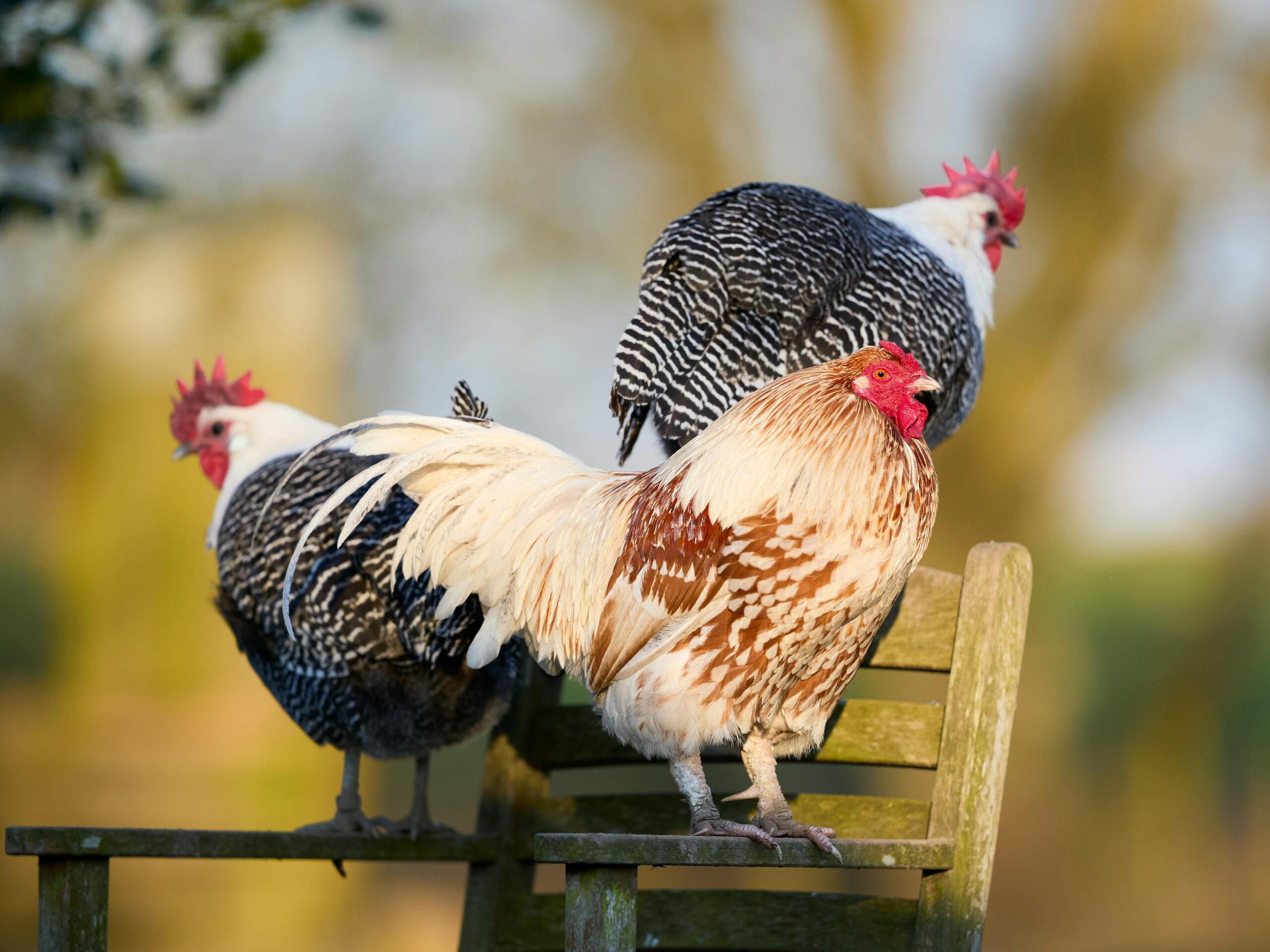
Chicken Breeding Benefits
Economic Gains Seen by Farmers
A chicken breeding. Getting into raising chickens can bring solid returns without needing much money up front. A handful of birds might be all someone needs at first, then grow things slowly over time. Because costs stay low early on, trying out poultry feels less risky than many farm work options. Even those with little land or savings find ways to join in fairly easily.
Money keeps coming in different ways when raising poultry. Selling eggs brings regular cash, while meat adds another stream over time. Some farmers also sell young chicks just one day old. Breeds like Australorps lay many eggs each day, boosting what they make. Silkie chickens stand out because of how they look, so buyers pay more. Their unusual traits mean better prices at the market.
Quick results come from how well chickens turn food into growth. Less feed goes a long way when raising them instead of bigger animals. Their rapid output brings value sooner than many expect. Because their life cycle moves fast, earnings start rolling in before half a year passes. A brief wait opens doors to repeated cycles each year.
Starting strong with smart chick choices sets the stage for steady earnings over time. A careful mix of planning and daily attention cuts waste without slowing growth. Profit grows when effort lines up with animal needs, not just market trends.
Small tweaks in feeding and space pay off quietly through healthier birds. Success shows up most in how little is spent on fixes later. Good habits today mean fewer surprises tomorrow.
Nutritional and Food Security Benefits
Starting strong on chicken breeding helps farms run better over time. It matters because it supports steady food supplies. Protein, vitamins, and minerals come packed in eggs and poultry meat. Raising chickens means meals get healthier at home and nearby. Farm work turns into real nourishment when breeding stays consistent.
When roads get rough and stores are far, raising chickens steps in. Not every home can reach eggs or meat easily out there. These birds fill the gap without needing much. Each backyard flock means steady meals on the table. Health stays up when hunger dips low. Freshness comes just outside the door.
Chicken Breeding Advantages
Economic Benefits for Farmers
In Chicken breeding, starting with chickens often costs less than other farm work. A few birds might be enough at first, then more come later when things go well. Learning while doing keeps mistakes cheap. Money moves slowly here, but steadily, so even those with little to spare can join in. Profit tends to grow quietly, without loud promises or quick wins.
Money keeps coming in more than one way when raising poultry. Selling eggs brings cash every morning, while meat adds another stream later. Some birds, like Australorps, lay so many eggs each day that profits grow without extra effort. Chicks just hatched can also be sold to others starting flocks. Silkies look different from regular chickens, which makes buyers pay more.
Their unusual feathers and calm nature make them stand out at markets. Fewer meals needed for growth sets chickens apart. Instead of large amounts of feed like bigger animals demand, these birds turn modest rations into meat or eggs at speed.
That pace lets farm earnings show up sooner than expected. Because the chicken breeding takes place in each round from hatch to harvest takes little time, and cash flow becomes possible several times a year. Breeding chickens well turns into steady earnings for farmers, cutting expenses at the same time. Profits grow when methods stay sharp, and resources stretch further. Success hides in routine choices made day after day.
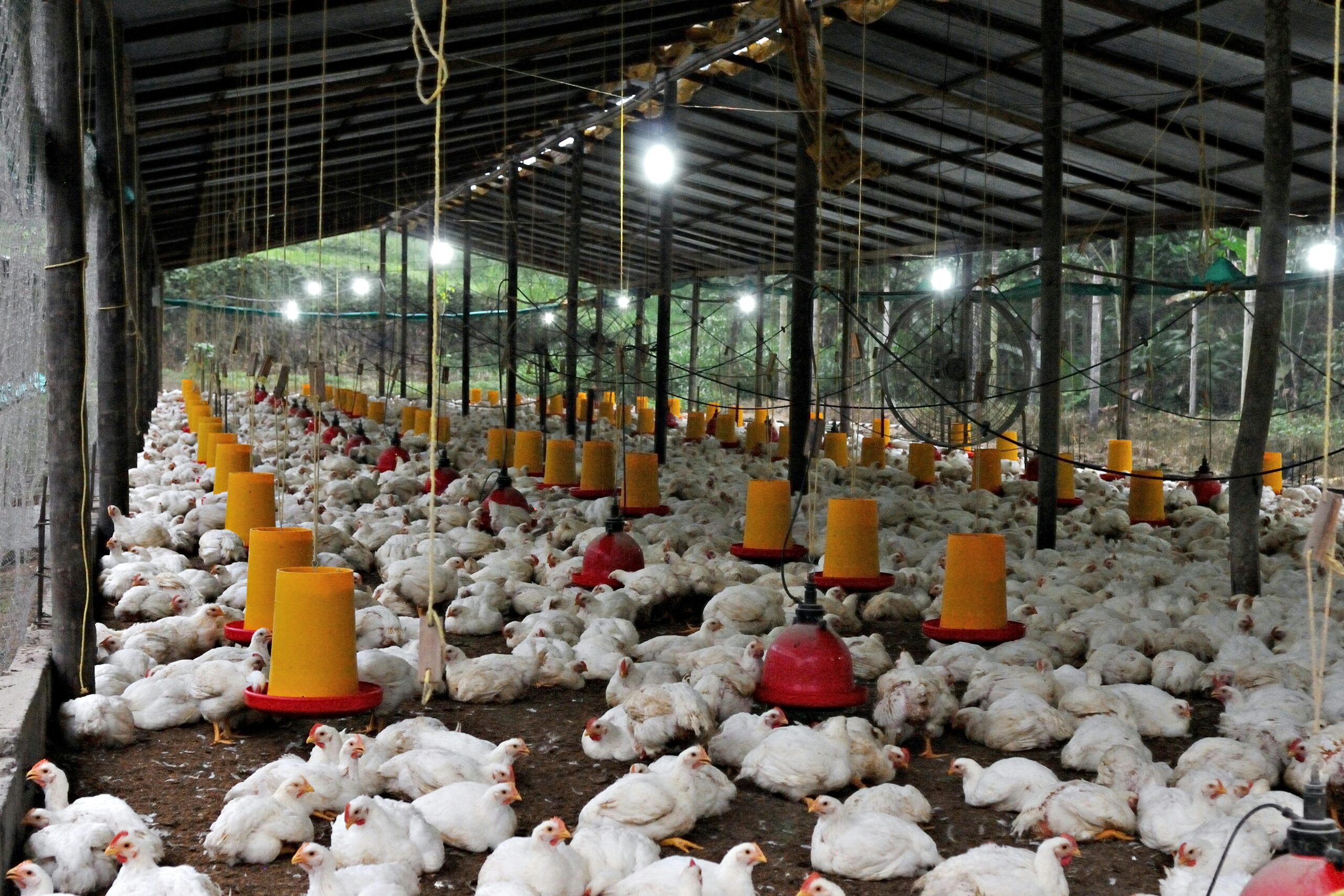
Nutrition and food access improvements
In chicken breeding, getting good at raising chickens helps farms work better and stay profitable over time. Because healthy birds mean more steady income down the road. Chickens contribute directly to stronger food supplies when bred well.
Their eggs and meat pack plenty of protein, along with key vitamins and nutrients. Raising them gives farming households a reliable way to feed themselves. Local areas benefit too, gaining access to wholesome meals through backyard flocks.
Fresh eggs and meat come more easily when families raise chickens far from big markets. Where stores don’t reach well, keeping birds means steady nourishment at home.
Low Effort High Flexibility
Starting small? Chickens often need far less room than bigger animals. Their ability to handle varied climates helps, too. Because of that, raising them fits just as well on a city rooftop as out in the countryside.
Take Silkie chickens. Tough enough to thrive in different conditions, so they suit backyard setups just fine. A quiet temperament means less fuss when moving or checking on them. A sudden spike appears mid-year, then a drop toward the winter months. This visual tracks how much chicken meat was produced over time. Farmers might look here to see patterns in their work
. Each peak and valley tells part of the story. Not every rise lasts long. Some dips follow big increases. The pattern shifts without a clear warning. Production does not move in straight lines. Moments of growth stand out against flat stretches. What happens after each high point matters most.
Chicken breeding methods
Selecting Parent Stock
In chicken breeding, starting strong, pick birds that look lively and move well. Good genes come from parents without sickness, built right. When choosing breeders, favor those showing what you want in eggs or growth.
Offspring turn out stronger if the mother and father are sound. Top results follow when only the fittest hens and roosters pass on their traits. A sharp eye today means fewer problems later. Breeding pays off most when health leads the selection list.
Breeds such as the Australorp stand out when it comes to laying eggs. When raising chicks without help, silkies often come first because they love to sit on nests.
Natural Breeding Compared With Artificial Incubation
One way chickens multiply is the old-fashioned way, through mating. Another path skips romance, using machines to hatch eggs instead.
Hens lay eggs on their own when nature takes charge. Without extra costs, many small farms find this way fits well. Though several breeds exist, Silkies stand out because they sit tight and bring chicks into the world more reliably.
Farms sometimes skip nature by using gadgets that manage heat and dampness. Machines like these help when lots of eggs need warmth at once, making big jobs easier. Meals and what chicks grow on matter just as much
Mastering Chicken Breeding
In chicken breeding, feeding well shapes how chickens grow, lay eggs, and stay healthy. Their bodies work better when meals mix protein, carbs, fat, vitamins, and minerals just right. Muscle builds up thanks to protein, plus eggs form more fully. Strong shells come mainly from calcium, making it essential every day. A solid plan around food keeps flocks steady through changes.
Fresh water sits nearby at all times – dry birds slow down fast. Chicks need one kind of fuel, layers another, so meals shift as they grow. A strong plate of food, bought or made right, keeps feathers tight and energy steady. Australorps push more eggs when their bowls brim with smart mixes. What fills the feeder shapes what lands in the nest.
Fresh greens from the garden mix well with daily meals, adding variety while easing expenses. A touch of vitamin support now and then strengthens resistance against common illnesses. Kitchen scraps work fine once in a while, but only if clean and served in moderation. Rotting food never belongs in the bowl – danger hides there. Bad feed pulls down health fast, no warning needed.
Starting each day at the same time keeps things steady. When meals happen like clockwork, chickens grow better. Nutrition matters most when it’s regular. Following through without gaps builds strong birds. Success shows up in stronger flocks and fuller barns. Profit comes not from sudden changes but from daily habits repeated.
Housing and Environmental Control
A fresh breeze moves through the coop when space stays tidy and open. A shelter built right keeps birds safe from storms, heat, cold, and also animals that hunt them.
Important factors include:
Adequate space
Proper ventilation
Clean bedding
Regular sanitation
Fewer stressful moments mean animals reproduce more easily, while survival chances go up. Calm settings keep things steady, lowering deaths among newborns and adults alike.
A single look at how chickens grow shows patterns breeders follow closely. Chicken breeding growth paths drawn over time reveal what works best in raising flocks. Tracking progress helps adjust feeding and care routines gradually.
Productivity shifts become clear when plotted week after week. Trends emerge only through steady observation of each batch. Breeders rely on these marks to measure real results across seasons.
Difficulties Learning Chicken Breeding
Climate and environmental factors
Mastering chicken breeding
Not watching for illness might cost a farmer more than just time. Outbreaks like Newcastle or coccidiosis move fast through flocks left unprotected. Clean housing slows trouble before it takes hold. Shots given on schedule cut down the danger even when germs are near.
Each sick bird weakens what others gain. Protection works best when done every single day without waiting. Heat waves or freezing spells bring trouble. When temperatures climb, hens lay fewer eggs and struggle to stay healthy.
Cold snaps demand more food just to keep warm. Birds under strain eat less and grow more slowly. Shelters need airflow in summer, insulation when frost bites.
In chicken breeding, Management shifts help birds cope – better sheds, adjusted routines. Weather never stays the same; neither should farm methods. Fresh hurdles pop up when buying food for chickens.
When prices climb, earnings shrink – hit hard on smaller farms. Juggling nutrition needs against spending pressures never really ends in raising poultry right.
Fewer good results show up when wrong breeds mix or when close relatives mate. Getting past such issues means thinking ahead, learning what works, then handling daily tasks on the farm with care.
Poor Genetic Management
Picking the wrong animals for breeding might result in weak young ones. When close relatives mate, health problems often show up, along with lower yields.
Market Fluctuations
Fresh prices shift fast – farming income feels that swing hard. When buyers slow down, making money from chicken sales gets tougher for growers.
Solutions for Successful Chicken Breeding
Implementing Biosecurity Measures
Maintaining strict biosecurity is essential to prevent diseases. Farmers should:
Limit visitor access
Disinfect equipment regularly
Isolate sick birds
Flock health stays strong through these steps, which also boost breeding results. When care routines are steady, baby chicks arrive more often. Healthy birds start with daily attention – this leads to better hatch rates, too. Watching feed quality makes a difference down the line. Each small effort adds up without making noise. Strong parents mean a stronger next generations follow.
In australorp chicken, starting strong means laying out each step before hatching begins, so every move fits together without gaps. Sticking with it day after day shapes how well the flock turns out over time.
Climate Control Strategies
Facing tougher weather, growers might try straightforward fixes like these
Providing shade during summer
Using heaters during winter
Ensuring proper ventilation
Climate Control Strategies
In chicken breeding, Chickens stay healthier when their surroundings are managed well throughout changing seasons. Fresh air moves through coops best if airflow paths are clear and unblocked. When temperatures climb, relief shows up in shaded spots, steady breezes, and water that stays cool.
Cold months demand walls that hold warmth, alongside gentle heat sources tucked safely away. Dampness disappears where litter stays loose and is replaced often enough. Fresh air flow plus less crowding makes chickens feel better. When the surroundings stay controlled, raising birds turns out smoother. Growth picks up. Egg numbers climb. Success grows quietly behind steady habits.
Genetic Improvement Programs
In chicken breeding is breeding stronger sheep begins with smarter choices. Selecting animals that show better traits shapes future generations. Picking rams and ewes carefully passes on desired features. Good records help track which bloodlines perform best. Some offspring simply grow faster than others. Health matters just as much as size or weight.
Working with a vet supports long-term gains. Over time, results add up quietly. Stronger flocks often start small. Thoughtful steps today lead to resilient herds tomorrow.
Choosing chickens that produce well, such as the Australorp breed
Avoiding inbreeding
Introducing new genetic lines periodically
Market Planning and Diversification
Farmers might face shifting markets, so spreading earnings across different areas helps. Selling various products could include:
Eggs
Meat
Day-old chicks
Specialty breeds like silkie chickens
Starting strong means laying out steps before jumping in. A clear path shows where effort pays off, while timing pulls it together. Thinking ahead shapes results more than waiting does. Moves made early often last longer.
Everyday Advice for Farming
start small-scale gradually
Starting? Try just a few birds at first. That way, mistakes won’t cost too much. Learning happens faster when changes come slowly. Bigger numbers can wait until patterns become clear.
Maintain Proper Records
Picking up details on hatching, how many eggs appear, along with wellness trends, gives growers clearer paths forward. Though quiet in approach, tracking these pieces slowly builds a sharper picture over time.
Focus on Hygiene
A spotless environment makes raising chickens work better. Because dirt invites illness, coops need frequent scrubbing.
Learn from Experience
Farming animals gets easier when people have done it for years. Because outcomes show what works, those who raise livestock keep adjusting how they do things
In chicken breeding, Chickens behave in ways that make sense only when you watch them closely. Productivity climbs when farmers pay attention to what birds eat, where they live, and how they interact. Losses shrink once patterns emerge from daily routines and small changes add up over time.
Profit grows quietly under consistent care instead of sudden fixes. Sustainability shows up slowly through repeated choices that scale without breaking down. Long-term results depend less on big moves than steady learning.
FAQs
1. Hatching new birds begins with careful pairing of roosters and hens.
This work matters because strong flocks supply food worldwide. Raising poultry shapes how farms operate across nations. Choosing which chickens mate affects egg counts later on. Without smart decisions here, shortages show up fast.
Starting a new generation of chickens means making more birds with better qualities. Because healthier animals lay more eggs, raising them right matters quite a lot. Productivity goes up when careful pairing takes place over time. Stronger flocks also resist illness better than unmanaged ones. Farmers gain steady results by focusing on smart reproduction instead of chance mating.
2. What kind of chicken works well for raising chicks?
Focused on laying? Try the Australorp. When hatching matters most, silkies take the lead instead.
3. How can I improve the success in chicken breeding?
Fresh chicks start with strong parents, so pick birds that look lively and alert. Good food matters just as much, feeding them what keeps bones solid and feathers shiny. Clean spaces cut down sickness, wiping coops often stops trouble before it spreads. Temperature swings hurt growth; keeping the air steady helps them thrive instead.
4. What are common challenges in chicken breeding?
Pests sometimes spread fast, wrecking crops before farmers react. The weather swings hard one season, then flips next time without warning. Chicken breeding is weak; breeding choices show up years later when yields drop suddenly. Prices dip even during good harvests because buyers vanish overnight.
5. Small farms might earn money raising chickens.
Profit depends on costs, market demand, space, feed prices, egg or meat sales, how many birds survive, local rules, competition, and time spent managing them.
Farmers raising chickens often see good profits because startup costs stay low while earnings grow – especially with careful handling. A small operation can thrive without heavy spending up front, turning modest effort into steady income over time.
Conclusion
In chicken breeding, built on solid choices, raising chickens turns into a steady farm income. A smart pick? The Australorp breed stands out for its reliable output. Good planning shapes daily routines, guiding success without guesswork. Strong systems support health, growth, plus long-term returns. Learning basics opens doors that most overlook early on.
Even when problems show up – sickness, tough weather – they respond well to steady attention and smart preparation. Using certain animals, say silkie chickens, to handle hatching on their own while keeping the whole setup in rhythm lifts results quietly.
Anyone wanting to try animal husbandry might find raising chickens makes good sense. Begin modestly, keep up steady effort, then improve step by step. Success comes through persistence – alongside smart planning – to grow a solid farm that earns well.