
Introduction
Table of Contents
What is a Honey farm, and why does it matter today
Honey bee farming involves more than just collecting honey. Tending hives takes time, attention, and showing up often to watch how bees grow. Spotting signs of strong health matters just as much as protecting their space.
A steady move toward clean, unprocessed items has lifted interest in natural methods lately. This trend nudges bee care into view as something lasting, useful. People who farm, study, or explore side paths could see fit in such a role. Starting one opens doors that were not obvious before.
Not just about gathering honey, a well-kept bee yard helps plants get pollinated, too. Without those busy fliers, things like squash, beans, or mustard might not grow as well. Tending bees brings extra earnings even as the bee farm yields climb. In many parts of India, farming now quietly includes looking after hives alongside planting and harvesting.
Beekeeping could start small, yet grow into something steady over time – while working alongside the natural world. When managed well, this kind of operation may support both blossoms and hives, bringing returns that last.
Honey Bee Farm Potential Across Indian Regions
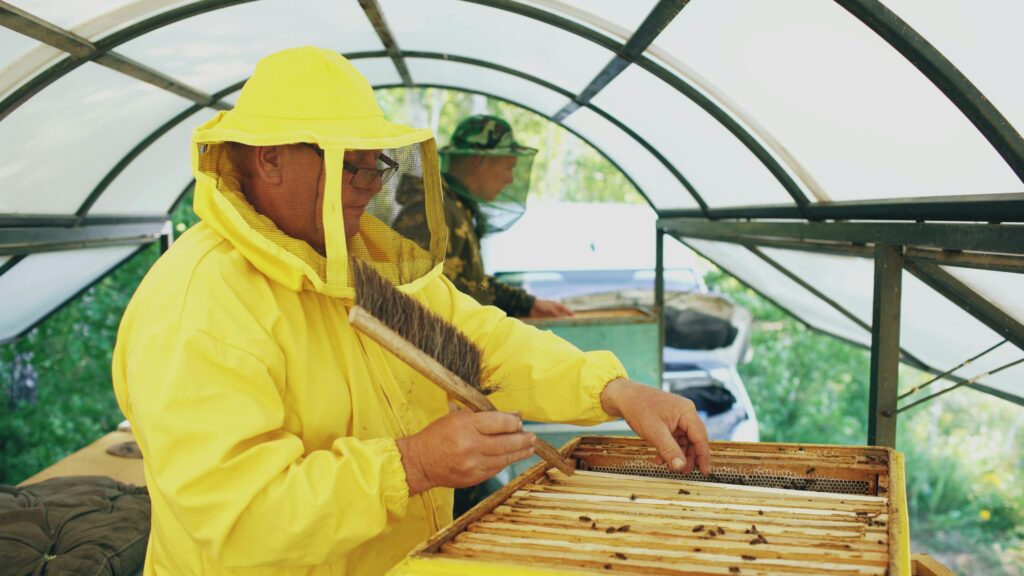
Starting small, Honey bee farming across India gains ground when folks discover real honey and its byproducts. Because global demand climbs every year, importers pay closer attention to what Indian hives offer. Even beginners see clearer paths forward since the marketplace keeps expanding without sudden drops. Ending here feels right – momentum builds quietly but sure.
New to beekeeping? Support comes from state programs designed for beginners. Out past the towns, training sessions teach farmers the basics of managing a bee farm. Big gear isn’t required – many start small, with only a few boxes warming up in spring sun. Five or ten hives often mark the beginning, then more follow when ready.
In a honey bee farm, one bit of green could start it all. Miles get covered by bees themselves, chasing flowers well past backyards. Need space? Hardly any will do. Tiny spots grow into something real since wings handle what’s hard. Even with almost nothing, there’s always a way to fit in hives.
Not just hives buzzing but whole fields changing – as attention shifts toward cleaner methods and careful choices. What once stayed hidden in corners now moves center stage, pushed by quieter demands and steady awareness.
Growth isn’t shouted; it hums beneath questions about where things come from. Step by step, trust builds not through promises but actions watched closely. Behind every jar, a trail forms – shaped less by speed and more by thought.
Benefits
High profit potential of a Honey bee farm
Beyond the backyard, a lone beehive quietly builds value across seasons. Tiny upfront, it’s running expenses slip under most farming outlays.
Bee glue catches the eye of drug creators, thanks to its odd qualities. Following that comes propolis, hidden in cracks of hives, doing a quiet battle against microbes. Then there’s pollen – gathered just the same, eventually poured into wellness mixes.
Skincare jars scoop up these pieces, stirring them into lotions and salves. Meanwhile, food plants borrow a few, weaving them into common goods. From a single hive, income branches out on its own. Separate paths carry each item into distinct market spaces.
One beginner, managing twenty-four hives, could earn a fair sum after twelve months of consistent work. As skill grows slowly, so does what comes out of each hive – and the reward follows close behind.
Improves crop yield through pollination
Out past one busy hive, flowers find unseen allies. Not just making honey anymore, these insects help food grow larger. As they drift from bloom to bloom, fruits take hold with less struggle. Harvests swell – effort stays the same. Quiet wings do what hands cannot.
Fruit gets bigger, seed counts rise, plant health improves – all linked to keeping bees nearby. Thriving vegetation? Often tied to buzzing visitors doing their thing. A single hive tucked into a corner may lift yields without anyone noticing. Honey sales might not matter much, yet benefits show up plainly in crop performance. Out among the rows, life simplifies when tiny helpers take care of unseen tasks.
Beside the crops, a hive sits quietly. Growth climbs higher when bees drop by – mustard, sunflower, orchards feel the difference. Not only does harvest improve, but land gains are quite worth it. Value seeps into soil and season alike.
Eco-friendly and sustainable farming option
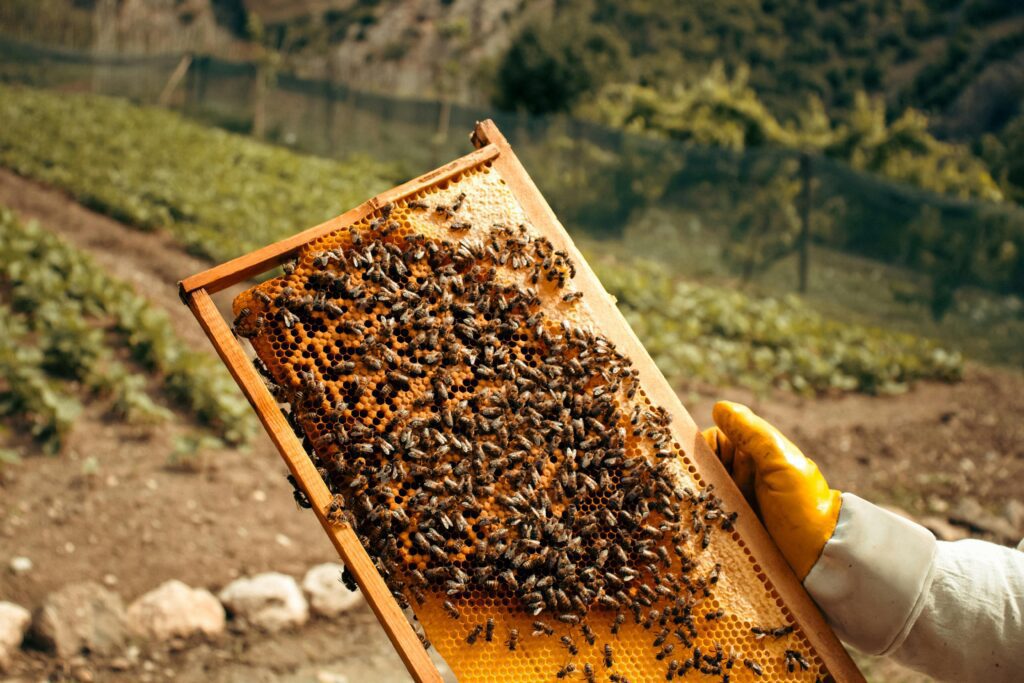
In a bee farm, A quiet hum rises where flowers stretch wide under an open sky. This place gives more than it takes, staying gentle on the land. Not loud, yet its presence shifts how things grow nearby. As insects wander petal to petal, threads form between green things, thin but strong. What could vanish lingers here, held by small wings and steady flight.
Besides mimicking natural patterns, bee farms avoid fighting the environment. Relying less on shipped-in materials, they lean mostly on local ecological offerings. Thanks to that harmony, this kind of agriculture slips neatly into long-term food systems.
Beekeeping works nicely for folks who like chemical-free gardening. Since bees show up, they help the land rather than harm it. With every visit, creatures underground thrive a little more.
Techniques
Selecting the right location for your Honey farm
A honey farm does best when flowers grow nearby. Water close at hand makes a difference, but protection from wind plays an equal role. Places with dense plants often fit the needs of bees. Cleaner air counts for a lot, which is why city locations usually miss the mark.
Pick locations carefully. Avoid areas soaked in chemicals because those toxins strike bees hard. Sheltered nooks work well since breezes stay light there. When hives sit snug in quiet zones, buzzing grows steady through mornings.
Out in the fields, picking just the right spot can change everything – bees tucked near lasting blooms tend to fill more combs. Trouble shows up less when hives stand where petals stay.
Choosing the right bee species
in honey bee farm, not every bee fits a beginner’s setup, even though plenty thrive on farms. Out here in India, just a few make sense when you’re starting. Of all the options, two take the lead – Apis mellifera grabs attention, while Apis cerana indica holds its ground.
Fewer hives of Apis cerana fill pots as fast, though they dodge trouble in rough seasons better than their cousins. Choosing one over the other? Depends how rain falls where you work, plus what grows nearby. Weather writes part of the story – your goals finish it.
What if learning bee behavior came first? Cal,m breeds make sense at the beginning – slowly growing confidence matters more than speed. A person gains experience by watching, waiting, and sometimes stepping back.
Hive management and maintenance
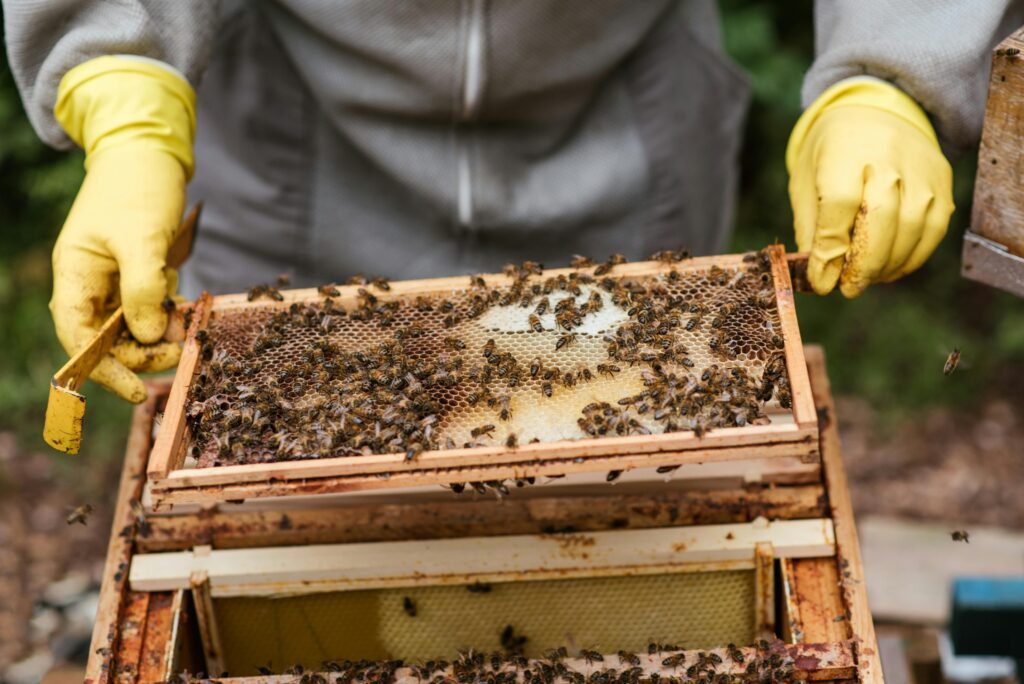
In a honey bee farm, Fresh each morning, a walk through the fields brings eyes to the wooden boxes where bees hum. Spotting movement at the entrance tells whether numbers thrive inside. Sometimes cracks show along the sides – weather wears things down. A tilt here or a gap there might mean rain creeps in when clouds open up. Noticing early keeps problems small later on.
Now and then, cleanliness changes everything. The distance between hives weighs just as heavily as daily attention. When things line up properly, invaders tend to keep their distance. Bees do well where effort never wavers. With a calm routine, honey moves as it should.
Besides routine care, feeding bees during flower shortages supports their survival. Shelter matters just as much when storms roll through or the weather turns extreme.
Managing a Honey Bee Farm Through the Seasons
In a honey farm, Petals unfolding make hives come alive. With each flower opening, bees hurry, loading cells full of golden syrup. Colors spreading through the fields mean pails grow heavy fast. Buzzing fills the grasslands when sunlight lingers. Jars pile up toward autumn if blossoms keep coming.
With each turn of the season, bees demand care so they do not weaken. As blossoms disappear, feeding steps in to fill the gap. Cold snaps or scorching days make cover equally vital. Through wild swings in temperature, calm management holds colonies on track.
Blossoms burst in spring – their timing changes everything about honey come summertime. When hives follow nature instead of pushing against it, rewards grow larger. How bees move through seasons decides what ends up in jars.
Challenges
Pests and Diseases in Honey Bee Farms
Mornings sometimes start rough on a beekeeping spread. Pests show up out of nowhere, illness creeps between boxes, and harvests shrink when least expected.
Now and again, fungus appears, while mites slip in unnoticed. If ignored, damage moves across the entire bee yard thanks to both. Without any sign, predators appear – and trouble arrives just as quickly.
Starting strong means peeking into hives a lot if you want happy bees. Dirt invites issues, so wiping things down makes setbacks less likely. Spotting small signs early keeps headaches away later, just by staying close to what’s happening. Tiny routines today quietly prevent messes tomorrow.
Climate and environmental risks
In a honey farm, Flying stops when it gets too hot, sometimes too cold. When rain falls hard, bees stay put instead of searching for flowers. A sudden freeze hits just like a heat wave does – everything halts. Output shifts depend entirely on the weather choices made above.
Storms throw off flower schedules, leaving little sweetness behind. Bees show up only to find empty cups waiting. Blooms arrive late when skies pour too long or stay dry without warning. Hives hum quieter each week.
Seasons that wobble leave plants confused about when to open their petals. Honey jars fill more slowly now than before. Pacing falls apart when changes hit fast. Nature’s beat matters most to bees. Should winter linger, each step slows down. With fewer flowers around, hunger shows up. When blooms disappear, so does the harvest.
Out here, weather shifts fast, which means farmers watch the sky early. Seeds go down when the soil feels right, not just because the calendar says so. A few quiet decisions before breakfast shape how things turn out later. Getting ahead now keeps problems away when fields need finishing.
Lack of knowledge and training
Truth hits hard if your first hive collapses by summer. In a honey farm, Most beginners panic when boxes fill with dead comb instead of gold. Learning beats guessing every time – mistakes cost lives, not just honey. Watch others move frames before touching the smoke.
A shaky hand drops brood like dropped promises. Quiet steps matter more than loud plans near hives. Confidence grows only after stings heal and doubts fade.
Figuring things out as you go could lead to spending more than planned, which stops some people before they even try. Learning the basics of running a bee farm makes a difference.
Solutions
Proper training and skill development
Beekeeping begins with understanding the work. Those tending hives usually learn through gatherings run by experienced hands. Jumping in too soon? Not wise – knowledge comes first. One step at a time shapes steady progress.
Starting a hive goes more smoothly when you know what bees need. Mistakes happen less often once practice builds confidence. Handling the boxes becomes normal after watching how the colony moves through each season. Trust grows, not from guessing, but from doing things step by step.
Use of modern equipment
Top to bottom, the right outfit keeps beekeepers safe when checking hives. Spinning frames quickly pull out honey without slow manual work. Hive boxes built better support colony health and reduce routine tasks. Well-adjusted tools ease the body’s load over time.
Beekeeping works better when the gear is solid – that cuts down surprises. When things are ready ahead of time, hiccups feel less like setbacks. Tougher equipment smooths out rough patches without extra effort. Preparedness shifts how smoothly each task unfolds.
Regular monitoring and care
Beehives stay healthy only when checked once in a while, especially if you care about honey quality. Trouble shows early – provided eyes are on it regularly.
Besides fresh meals and spotless conditions, protection against threats builds tough hives. If attention never wavers, what happens in the bee yard makes that clear.
FAQs
1. How much cash must you set aside to start keeping bees for honey?
In a honey farm, some beginners find that just a handful of hives works fine, especially when funds are low. Getting started, handling five or ten is doable for most people. With time, comfort levels rise – more colonies may follow. Each season tends to bring small steps forward, shaped by what’s learned.
2. Honey Bee farming could bring in cash through honey sales.
Sometimes income shows up as beeswax or pollination services. A little arrives from selling queen bees, too. Not every dollar comes at once. Seasons change how much lands in your pocket. Some years surprise you with more than others.
A single dollar showing up? That usually depends on just how large the hive gets. Care mixing with work means jars pile up, one month after another. Golden syrup isn’t all bees bring – wax comes too, then pollen right afterward.
3. Is a Honey farm suitable for beginners?
A fresh start at a honey farm? Guidance built into the routine opens doors. Step-by-step beginnings matter – learning sticks better that way. Small steps lead somewhere.
4. Honey isn’t the only thing that shows up when beekeepers check their hives.
When flowers are blooming, pollen finds its way into collection traps instead of staying on bees’ legs. Royal jelly slips out now and then, but you won’t see it piling up as honey does. A few operations set aside queen bees, shipping them off to neighbors who need replacements. These bits and pieces aren’t manufactured; they’re what happens when a colony simply lives.
One hive gives honey, thick and gold, plus wax that hardens once it cools. Earnings rise if containers hold not only runny drops but also fine particles from blooms. A creamy material – soft like milk – is taken gently by bees deep within the cluster. Every piece collected is worth more than the last. Sticky sap clinging to door edges? That too becomes cash.
5. How to protect a Bee farm from diseases?
Early mornings are good for checking the hives. A clean space helps them thrive without struggle. When you tend to things regularly, they run more smoothly. Small moments of focus shape how well they do.
Building a Honey Farm That Makes Money
Value Added Products at a Honey Bee Farm
One busy honey farm doesn’t stop at jars of golden syrup straight from the hive. Rather than sticking to one product, clever keepers add new streams by thinking sideways.
Out of each wooden box, there flow spicy honey mixes, slow-melt beeswax lights, softening balms for lips, herbal soaks in sweet liquid, and even mild lotions for dry patches. With steady hands and quiet patience, tending bees becomes more than harvests – it spreads into many small treasures.
Honey stirred with tulsi grabs attention faster than usual. When ginger joins in, customers pause longer at the display. Lemon adds a sharp twist that shifts units quickly. These mixes cost more than basic jars yet fly off just the same.
City stores fill their shelves with beeswax candles when they arrive. Creams made from hives vanish before restocks even land. What sits on urban counters now often leaves empty spots by week’s end.
What if the market shifts? Offer more than one thing. When seasons turn, depending only on honey can backfire. Instead, bring in products that make sense next to it. How customers think of you changes when choices grow.
Quiet separation takes shape slowly. A few keepers began tiny but moved forward without rushing. What helped them? Building on what was already there. Using beeswax, pollen, or fresh comb to make new things changed their path. Small steps mattered more than bold leaps – careful choices did the work.
Ways to promote a Honey bee farm
Want cash from your hives? Visibility matters. Fine honey can still gather dust without sharp outreach. Buyers won’t appear on their own – effort must meet intent. Strategy bridges that gap. See things through a seeker’s eyes, not only a maker’s.
Neighbors buying directly could come first. Word travels quickly from one local to another, much quicker than any ad, especially where fields stretch wide. When jars stack higher than close friends can use, putting them online may help find more takers. After porch talks fade, social posts usually pick up the rhythm.
Looks matter when it comes to bottles. A clean design with sharp labeling tends to boost trust at first glance. Because the source is named – say, straight from an actual honey bee farm – it often seems pricier. That detail sticks in the mind longer than expected.
Turns out, setting up at local fairs gets attention. Folks wander over, check things out, taste the honey on the spot. Real talk, person to person, does more for trust than any comment thread. Stick around often enough, and folks start remembering who you are. Slow work, week after week, changes a shed operation into something neighbors know.
Government schemes and support for the honey bee farm
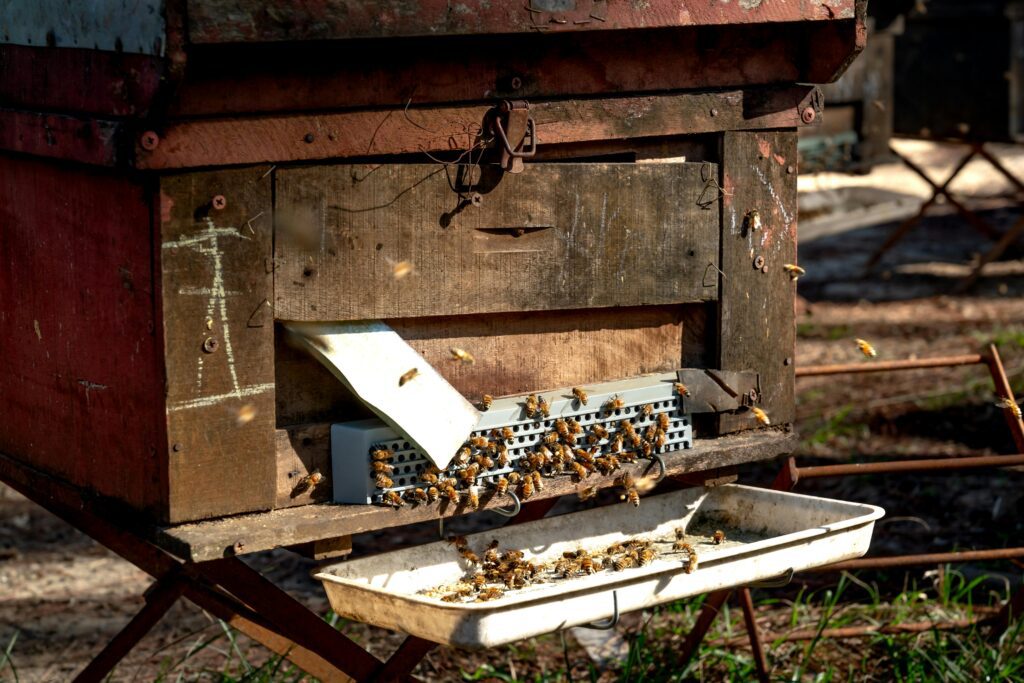
Farmers tending bees across India find new support rising from recent steps taken by authorities. Help arrives quietly – through lessons, money, lower expenses – all aimed at those working the land far from cities.
Buzzing from collectives like the National Bee Board or KVIC brings tips for keeping bees. What about gear prices? Help arrives now and then, easing hive and tool bills.
Starting in beekeeping? Workshops offer clear ways to manage hives today. People who’ve never tried it before usually walk away feeling clearer.
Help makes launching a honey bee farm feel less bumpy. Progress picks up speed when someone’s beside you. A few initiatives lower initial spending – yet still lift outcomes years down the road.
Common mistakes to avoid in a Bee farm
New beekeepers often step right into avoidable problems – ones that rattle their entire setup. Catching these issues fast leads to smoother runs later, healthier colonies building steady strength.
One common misstep? Diving headfirst into big operations without knowing the basics. Begin small instead – progress slowly. Hive inspections skipped today tend to surface tomorrow, usually as disease or less honey.
Close to your hives, pesticides spell trouble – one misstep might end in dead bees, then silence. Equally slow: a poorly chosen location, where progress drags without warning.
A few mistakes keep the beekeeping business moving smoothly. Avoiding typical blunders lets earnings grow bit by bit, steady on track.
Conclusion
Right now feels like the perfect time to keep bees – a calm task that fills pockets while giving flowers a boost. Money arrives quickly, though the deeper win is watching land burst brighter just beyond the hives.
What you do at first changes everything after: skills grow stronger, waiting pays off, and hard work spreads wider. That small corner of the yard could remain low-key – or drift quietly into something firm, lasting, running on its own.
Getting ahead begins with knowing what counts, and after that, choosing ways that suit you. One route does not fit all people the same. Moving forward steadily changes outcomes when months go by. Running a hive reaches past making money – every bee box helps dirt, green things, living stuff grow. It takes cycles of weather before shapes show up plainly.
Maybe beginning with bees is exactly where you should head. This moment holds something worth trying. Take things one piece at a time – pick up knowledge as you go. Progress creeps forward, then adds up when you’re not looking. Run it right, and the hive keeps giving, season after season.