
Table of Contents
Introduction
What irrigation farming is and why it matters
Watering fields by hand now matters more than ever in today’s farms. Rain comes and goes without warning, while mouths to feed keep growing. Instead of waiting for clouds, growers send water straight to plants when needed. That steady supply keeps dirt damp enough for roots to thrive. Better harvests follow, even when skies stay dry too long.
Farmers now rely on watering crops to keep land alive through seasons that would otherwise leave soil bare. Water delivered right when needed opens space for smarter choices in how fields rest between harvests.
Instead of waiting for rain, they utilize steady flows from underground tubes, showers above, or channels dug by hand long ago. Each method shapes the earth differently, yet aims at one thing: less waste where every drop counts toward stronger growth later. Roots go deeper because moisture stays balanced beneath the surface.
Irrigation farming knowledge matters a lot if you work with crops, study them, or simply care about growing food. Planning gets easier when water use makes sense, resource handling improves too, while shifts in weather become less overwhelming.
Moving ahead, how farms handle water will influence crop success – building strength against droughts, lifting yields, and keeping land usable longer.
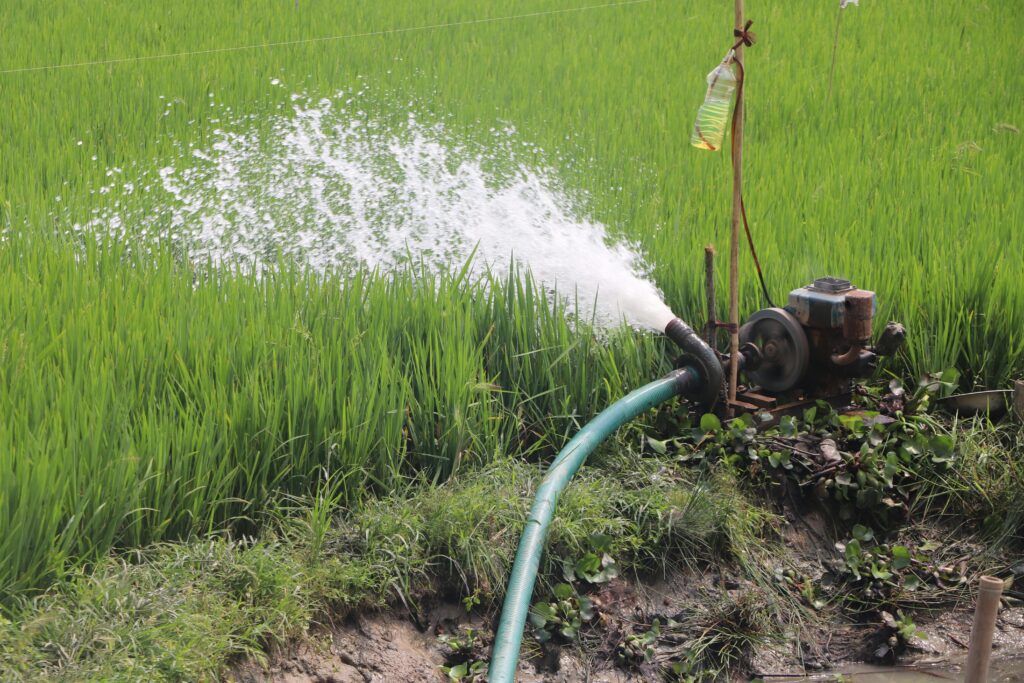
Better Crop Growth with Water Control
1. Increase in crop yield and productivity
What really stands out about irrigation farming? Bigger harvests. Crops grow better when they get water exactly when needed. Timing matters a lot. Instead of waiting on unpredictable rains, farmers control the flow – this keeps plants strong.
Without enough moisture, yields drop fast. With a steady supply, things change quickly. Growth turns even, healthier, too. Rain alone can’t match that kind of consistency.
Not every grower sees results right away, yet those using water systems usually get more crops that also taste better. Meeting store orders week after week? That gets easier when fields stay wet on schedule.
When drip lines run alongside cover cropping, the ground grows richer, irrigation farming almost like it breathes deeper – harvests tend to swell without extra chemicals.
Imagine trying to farm when rain shows up late or skips weeks. Watering fields by hand means planting again before the season ends. More harvests often mean extra money in pockets. Mistakes matter less when there is always another chance to get it right.
Growing plants that shield the earth while watering keeps the dirt damp longer. These green layers stop good stuff from washing away after each pour. Efficiency sneaks into routines without announcements.
2. Shielding from Dry Spells and Unpredictable Weather
Weather shifts now swing wildly because of climate disruption. When rains stall or skip, harvests often shrink. Dry spells stretch longer, hurting fields that depend on steady moisture. Yet farms with irrigation find footing when skies stay empty. Water channels keep roots alive despite parched air. Steady flow means crops still grow where others fail.
Farming with irrigation lets growers set planting schedules regardless of rain. Because conditions stay steady, families eat better, and farm incomes hold strong. When regenerative irrigation farming methods are mixed into the work, dirt gets denser, trapping moisture deep through dry spells.
Farms that plant cover crops tend to lock in dampness, so watering happens less often. Because of this shift, the Earth stays hydrated while plants grow tougher. With these changes, giving crops a drink takes on a bigger meaning when the weather acts up, helping food sources last longer.
3. Efficient Water Management
A single drop counts when fields drink deep. Farmers who guide water wisely see less spill, more gain. Drip by drip, pipes whisper moisture right where roots wait. Sprinklers rise at dawn, showering crops without drenching empty soil. Evaporation fades when delivery stays sharp and close.
Drip by drip, smarter watering methods make a difference where every drop counts. When irrigation farming fields get just what they need, harvests keep coming despite dry spells. With healthier ground holding moisture longer, less refill is needed over time.
Cover crops step in early, shielding bare ground while slowing how fast moisture escapes. Alongside farm watering methods, they form something steady – water gets managed without waste. Over time, less is spent on irrigation farming because less is needed just to keep things running. A quiet shift happens beneath the plants, one drop at a time.
4. Improved Soil Health
Soil that thrives supports farms that grow. Because it holds steady water levels, irrigated land boosts tiny life underground – life that feeds plants. When fields dry out, they weaken. Yet when water flows right, richness stays locked in.
With irrigation farming tied to regenerative methods, gains grow fast. Cover crops slip into fields, boosting soil life and texture along the way. Roots dig deeper because of it. Yields climb as a result.
Take those growing crops with drip lines while skipping synthetic sprays. Their ground turns softer, less likely to blow away in storms. Holds moisture better, like a sponge after rain. Feeds plants steadily, irrigation farming without washing out key elements.
Year after year, fields stay useful, even thrive. Nature balances back, quietly. Less damage shows up down the road.
5. Flexible Choices in What Crops to Grow
Farmers can pick many different plants to grow when they water their fields on purpose. Rain-dependent growing ties options to wet seasons, yet irrigated land opens up more possibilities.
Instead of waiting for storms, people control the flow, choosing what thrives under steady moisture. While weather rules natural watering, human timing shapes what goes into the soil with pipes or channels.
Farmers exploring regenerative methods often find this adaptability useful. Because they might test various plants across cycles. Planting cover crops helps protect the earth when fields would otherwise sit bare. Which leads to richer ecosystems down the line. A lower chance of bugs taking over happens naturally then.
A single-season irrigation farming might see rice or sugarcane take root, heavy drinkers of water both. Then next time around, something lighter steps in – lentils maybe, or millets.
Water flows when needed, thanks to irrigation holding things steady behind the scenes. Profits climb because choices shift with the land’s rhythm. Sustainability tags along, quiet but present.
6. Lower chance of crops failing
Farmers worry most about losing their harvest. When rain does not come on time, fields can dry up fast. Yet when water flows through irrigation, plants stay fed just right – no matter the skies above.
Farming with water control alongside earth-friendly methods cuts down on trouble later. Because roots stay covered, dirt stays strong, handling tough weather better. Crops then face fewer problems when conditions get rough.
A single drought can show how farms with solid water systems keep irrigation farming growing when neighbors struggle. Because crops hold on, people who work the land feel more secure about their income. That sense of safety often leads to trying newer tools or smarter ways to grow food.
7. Sustainable and modern farming practices supported
Farming with water systems shapes much of today’s crop production. Because it uses resources carefully, harm to nature drops. Alongside soil-building methods, this approach ties together land health and farm success. Water planning blends into earth care, building stronger fields over time.
Sometimes farmers plant cover crops while irrigating their fields. Because of this, the irrigation farming ground gains nutrients instead of losing them. Erosion slows down since roots hold dirt together. Life in the soil increases as tiny organisms spread.
With both methods working at once, plants get room to thrive without heavy chemical help. Nature adjusts its rhythm where water and greenery meet regularly.
Nowadays, growing food using less water matters more than ever. Thanks to smarter watering methods, farms get better harvests without draining supplies. These changes help land stay useful over time. When growers switch to efficient systems, they support nature’s balance. Their work grows stronger, just like the soil beneath it.
Ways Farmers Water Crops
Types of Irrigation Methods
Water moves across fields in various ways, depending on what grows there. One way floods the ground slowly, so crops soak it up. Another sends drops right where plants need them most. Some farms spray irrigation water through the air like rain instead. Each method fits certain landscapes better than others.
From above, water falls like rain when sprinklers run, working well across many kinds of plants. Depending on dirt texture, what the crop needs, or how much water exists, one system fits better than another. Today’s ways of watering fields aim to save resources while keeping harvests strong.
Together with farming that heals the land, these techniques do a better job. Drip irrigation fits neatly alongside cover crops because it keeps the ground wet while leaving its layers untouched. That mix leads to smarter water use and stronger plants growing in place.
Smart Irrigation and Technology
Farming sees changes because of tech, especially how fields get watered. Sensors talk to weather forecasts inside smart watering setups. Crops drink just enough, exactly when needed, thanks to timing from automated controls.
Water use drops when farmers switch to smart irrigation farming tools. Places short on water feel the benefit first. These setups welcome regenerative techniques without hassle. Efficiency climbs while resources stretch further.
A single sensor placed among crops grown to protect the soil can track how wet the ground really gets. Because of that, choices about watering land come more easily, stopping too much water from being used. When irrigation farming machines help manage farms like this, what grows becomes stronger while nature stays balanced.
Problems with watering crops on farms
Water shortages create big problems for growing crops with irrigation. Using too much water might drain underground supplies, hurting nature along the way. Still, even when it helps feed people, pumping water isn’t always sustainable long term.
Out in the fields, better watering methods matter more every season. Because irrigation farming soils hold more moisture when regenerative techniques take root. Through cover crops, evaporation slows down across the land.
Farming needs careful thought ahead of time so that water lasts. When left unchecked, watering crops can harm nature over the years.
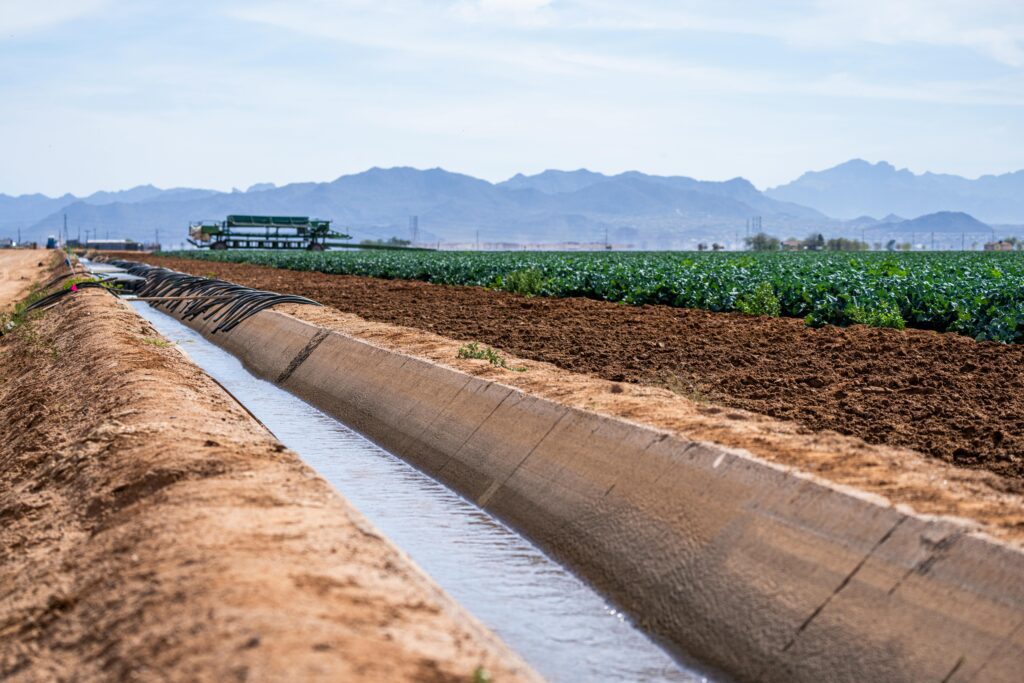
High Initial Investment
Costs add up fast when installing farm irrigation setups. Pumps, tubing, spray heads – each piece demands cash upfront. Smaller growers often find that price hard to handle.
Farmers usually gain more than they spend when using irrigation over time. Because in irrigation farming, harvests grow bigger while dangers shrink, payouts follow after a stretch. Assistance like grants or aid plans adds another layer of relief.
Cover cropping cuts expenses while boosting soil quality, so farms run more cheaply. When drip systems join regrowth methods, earnings get a quiet lift.
Solutions to Improve Irrigation Farming
Adopting Sustainable Practices
Farmers face hurdles, yet they can adapt by choosing long-term ways to manage watering crops. Water-saving setups help, while keeping an eye on how much is used matters just as much. Equipment runs better when looked after regularly, so small steps add up over time.
With healthier soil comes better water retention – cover crops play a role there. Think of them holding moisture in place while rebuilding the Earth from below.
Farmers who follow these methods often find watering crops takes less effort while helping nature, too. Instead of wasting resources, they slowly build better routines that save water over time.
Government Help and Public Attention
From time to time, governments step in through campaigns that spotlight irrigation farming. Because support shows up as funding, lessons, or tools, growers find it easier to shift toward newer methods.
Learning about soil-friendly farming methods like cover crops helps make watering fields work better. When help arrives, growers find their way past tough spots toward lasting success.
FAQs
1. What is irrigation farming, and why is it important?
Farmers bring water to the fields when rain doesn’t come on time. This steady flow helps plants grow the way they should, even if seasons act unpredictably.
2. How does irrigation farming support regenerative agriculture?
Farming with added moisture supports methods such as regenerative growing, which builds better soil while lasting longer. Water delivered by irrigation backs these earth-friendly techniques, making land more alive over time.
3. What is the cover cropping technique in irrigation farming?
Farmers grow certain plants just to shield the earth instead of harvesting them. Because these plants hold water in the ground, watering fields becomes more efficient.
4. Farming with added water – does it work for those who own just a little land?
Farming with water systems might help smaller growers get more crops while cutting down on problems tied to weather. Better results often show up when smart watering methods come into play at the same time.
5. What are the main challenges of irrigation farming?
Starting off, water shortages pose a real hurdle. Upfront expenses often run steep, yet careful budgeting helps ease the burden. Equipment needs regular attention, but routine checks keep things running. Smart strategies make tough spots easier to handle. Long-term thinking shapes better outcomes.
Future Directions and Deeper Understanding in Irrigation Farming
Irrigation Farming and Its Place in World Food Supply
Watering fields isn’t merely one method among others – it holds up much of how we feed everyone on Earth. With more people arriving every year, the number of meals needed goes up fast. Depending only on rain won’t cover what’s required, particularly where skies stay dry too long. That’s when delivering water directly to plants becomes essential, keeping them hydrated steadily from start to harvest.
Year after year, fields stay green in parts of the world where water reaches them on schedule. Steady harvests mean fewer gaps at markets, less need to bring food in from far away. When steady watering irrigation farming joins methods that heal the land, results shift – dirt gets richer, output climbs.
Cover crops step in next, shielding the dirt while quietly boosting how rich it gets. Because of that shift, watering fields does more than grow today’s meals – it roots into lasting farm life. Future plates depend on these choices just as much as nature’s rhythm leans on them.
Economic Gains Seen by Farmers
What stands out about irrigation farming? It boosts how much money farmers make. With steady access to water, growing more than one crop each year becomes possible. That means larger harvests, more goods to sell. For smaller landholders relying on farming to survive, the difference can be meaningful.
Irrigation Farming with water systems lets growers raise valuable produce like fruit, veggies, or sold-in-bulk plants needing steady moisture. Shifting between crop types spreads out money worries while building a steadier income over time. When farmers add natural soil-building methods, they spend less on outside supplies because the earth gets richer on its own.
One way to cut fertilizer costs? Try planting cover crops – they hold water in the soil more effectively. Spending drops when farms rely less on outside supplies, yet harvests grow larger. Slowly, watering fields turns into a smarter financial move, boosting income across rural areas without flash or promise.
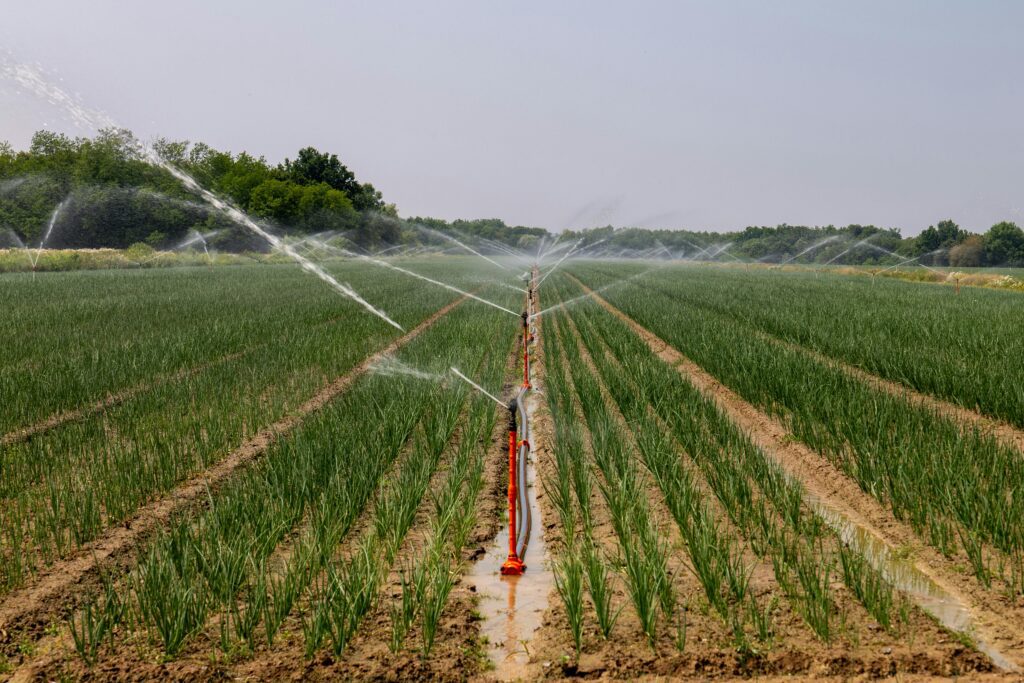
Environmental Effects and Lasting Balance
When done right, growing crops with added water supports nature instead of harming it. Smart systems save every drop by cutting unnecessary runoff and evaporation. Yet using too much causes soggy fields that choke plant roots. Bad choices here strip life from dirt over time. So thinking ahead matters – careful habits protect both land and supply.
Healthy soil helps farms use water better. Because roots hold the earth together, less washes away when it rains. Plants grown between rows keep moisture locked in the ground. These living covers also feed tiny life below the surface.
When fields breathe naturally, in irrigation farming, they need fewer outside inputs. Life underfoot thrives where leaves blanket the soil year-round. Water stays put longer if the land acts like a sponge.
Take cover crops. They cut down on how often fields need watering since the ground holds onto dampness better. Less water gets used that way. It helps the planet stay balanced. Mix smart watering with green methods. Farming stays strong without hurting nature along the way.
Working with today’s farming methods
Nowadays,s fields change fast – irrigation sits right in the middle. Tools like precise planting methods, satellite checks, and machines that water crops automatically shift how farms operate. With these upgrades, Irrigation farming growers track dampness in the earth, sky patterns, and plant shape instantly.
Out in the fields, regenerative practices open doors for smarter tech use. Picture this: sensors tracking moisture levels where cover crops grow, fine-tuning when water flows – no extra drops lost.
Out here, old ways meet new tools in surprising harmony. With every season, choices grow sharper because numbers guide them instead of guesses. Less water slips away, and crops respond well. Over time, machines learn patterns that people once memorized by heart. Efficiency climbs without fanfare. Progress hums quietly through fields wired for change. Sustainability isn’t a goal anymore – it’s a rhythm.
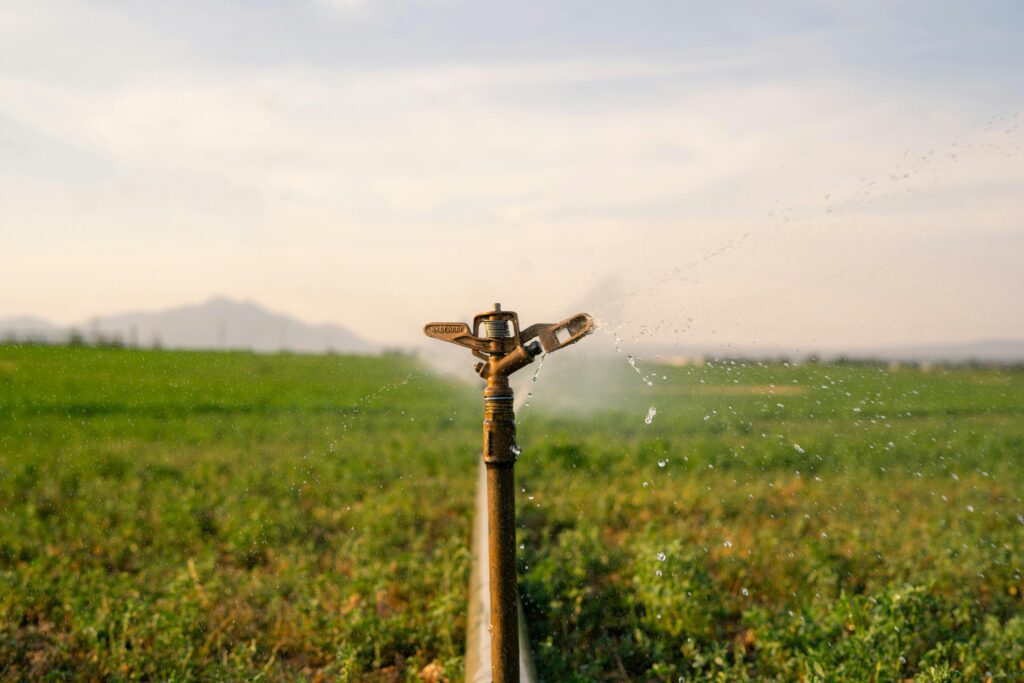
Ways Farmers Save Water When Growing Crops
Irrigation Farming uses lots of water, yet solutions exist to cut down on waste. Drip lines or spray setups deliver moisture right where needed, so less escapes into the air or soil. These ways keep crops fed without flooding fields needlessly.
Besides these approaches, farming that rebuilds soil health helps save water. Take planting cover crops – they block sunlight from drying the earth while loosening dirt so it holds rain better. Because of this shift, plants drink less often, easing pressure on local supplies. Water stays where it’s needed most – underground.
Farming smarter begins when rainfall gets captured where it falls. Stored properly, those drops become a backup when taps run dry. Watching how wet the ground really is helps decide exactly when to irrigate. Less guesswork means less waste seeping into habits.
Each season, using nature’s timing cuts down on outside supply needs. Water saved today builds resilience against drier tomorrow stretches. Efficiency grows quietly through small shifts like these.
Social Change and Growth in Rural Areas
Out in the fields, water flows change how villages survive. When crops grow more reliably, jobs appear where there were none before. Money moves through small towns as harvests increase. People tending irrigated plots usually see their homes improve, along with schools and clinics nearby.
Soil stays strong when farmers plant cover crops. Irrigation farming is one way regenerative methods support lasting harvests. These plants protect the ground between growing seasons, which keeps nutrients in place while roots hold everything together.
Because farms need water piped in, towns often gain better roads, places to sell goods, and sometimes even warehouses. Growth like that gives country spots more reasons to keep people around instead of moving away. When villages can grow their own food reliably, they tend to stand on their own two feet.
Future Trends in Irrigation Farming
Irrigation Farming that uses water wisely might just get a tech upgrade sooner than we think. Out in fields where every drop counts, gadgets learn when crops need watering – no guessing. Machines watch weather patterns while numbers paint pictures of thirsty soil.
Soon enough, decisions happen faster because information travels more quickly. What grows could depend less on habit, more on what sensors detect overnight.
Farmers can save water while responding quickly to live field conditions using these tools. Pairing them with regenerative practices builds resilient farms where soil thrives, and resources stay protected.
Cover crops aren’t going away – they’re sticking around because they feed the soil while cutting down on how much watering is needed. With more growers learning what works for long-term land health, Irrigation farming smarter irrigation methods will probably spread, simply because they get results without harming nature.
With funding pouring into better methods, progress growsinn how farms manage water. Because weather shifts unpredictably, new tools give growers a steadier path forward.
Farming Hacks That Work
Farmers who want to start irrigating their fields might find success by focusing on real-world steps. One thing – picking a watering approach that matches the dirt, what’s growing, and how much water exists nearby matters most. When plans fit the land well, supplies stretch further, and yields often improve.
Farmers who try regenerative methods often see better results when watering crops. Because irrigation farming covers the crop, the soil builds stronger, and less water washes away too fast.
Fixing irrigation gear keeps it running right. When pipes drip or get clogged, water slips away, and things slow down. Checking everything now and then helps spot trouble early. Small tweaks along the way keep crops getting what they need.
With time, learning what’s new in tech and techniques opens better ways to water crops. When farmers join training or attend workshops, they pick up useful skills. Government efforts often back these chances, offering guidance that fits real needs on the ground.
Final Thoughts
Watering crops on farms keeps changing, adapting to today’s growing needs. Because it delivers steady moisture, boosts harvests, one reason farmers everywhere rely on it. While some methods fade, this approach sticks around – helping land stay productive over time.
Farming gains strength when drip systems meet soil-building habits such as planting clover between harvests. Better harvests emerge wwhilethe aartstays healthier, and water lasts longer. Resilience grows where roots dig deep through smart routines.
Tomorrow’s fields depend on how water is used now. Those working the land with smart watering methods stand stronger ahead. Growth in farming is closely tied to how well crops are fed. Resilience comes not just from effort, but from thoughtful choices made early. What happens today shapes what grows later.
Conclusion
Watering crops changes everything on today’s farms. Boosts harvest size? Yes. Helps land last longer, too. When drip lines run alongside soil-building practices, results shift quietly but deeply. Planting clover between rows isn’t just a bit – it becomes part of how fields recover year after year.
Farms start holding water better, needing less each season. Roots go deeper because the ground stays alive. Each choice links – like threads – not forced, simply connected.
Still, hurdles show up now and then – yet workable fixes come through when plans are clear, tools fit the task, one step at a time. What lies ahead for growing food ties back to how well water gets used, where watering crops guides the shift without noise or delay.
Irrigation farming opens doors that farmers might not expect. Starting now builds stronger food supplies down the road. Students watch systems grow – not just crops. Healthy land sticks around when water gets managed well.
Profits rise without pushing nature too far. People who care about soil find new paths here. Future incomes link closely to choices made at sunrise. Water used wisely pays back over the years. Growing differently means thinking wider each season. Communities gain when farms run steadily through droughts.
Pingback: Smart Farming: Best for the Future of Agriculture 2026 -
Exactly—and this is where traditional farming falls apart. Drip irrigation and field sensors remove guesswork from watering. Water goes only where it’s needed, when it’s needed—nothing more. That’s why smart farming produces stronger crops with less waste. If someone is still watering on intuition instead of data, they’re not farming efficiently—they’re gambling.
Pingback: Aquaponic Farming Sustainable Profitable Agriculture 2026 -
Exactly. Aquaponic farming makes especially good use of limited urban space by recycling water between fish and plants. As land and water resources become more constrained, these efficient systems could play a useful role in producing fresh food closer to where people live.