
Introduction
Table of Contents
Modern Dairy Farming Explained
Dairy farming looked nothing like it does now – slow shifts brought big changes. These days, boosting output walks hand in hand with treating animals well and caring for the planet. Science steps in where guesswork once ruled, shaping how herds are handled every day. Thinking ahead matters just as much as gadgets when running a smooth operation.
Fresh air and space matter just as much as food when cows are kept for milk. A cow that feels well usually gives more, especially if her living spot stays tidy every day. Instead of focusing only on output, smart care tracks how she acts, what she eats and then adjusts before issues grow
Milk flow links closely to breeding success, since new calves keep the cycle moving. Without regular pregnancies, fewer young females join the group, slowing everything down.
On top of that, using renewable energy setups is changing how dairies operate. Instead of relying on old power sources, solar arrays give electricity while bio gas units turn waste into fuel. Wind turbines spin quietly across pastures, cutting down emissions at the same time they lower bills.
Efficiency climbs when these tools work together, helping farms stay strong even when markets shift. New methods matter because they keep milk production steady without draining resources.
Dairy farming today faces bigger pressure to supply milk as more people want it. Because eating habits shift, getting higher output without losing standards becomes a steady challenge. To stay on track, many rely on smarter techniques that cut losses while boosting results.
These updates make room for better yields using less. Efficiency finds its place when old ways step aside for sharper tools. Quality holds firm even as volume climbs through clever adjustments.
Fertility control shapes much of today’s dairying. Good mating routines, along with early insemination timing,g support stronger reproduction results. Herd wellness tends to rise when checkups happen often. Milk output grows as a result.
Farms that run on renewable power are changing how food is grown today. Clean energy cuts fuel bills while helping the planet breathe easier. Using new methods, raising cows for milk turns into work that lasts longer, pollutes less, and runs cheaper.
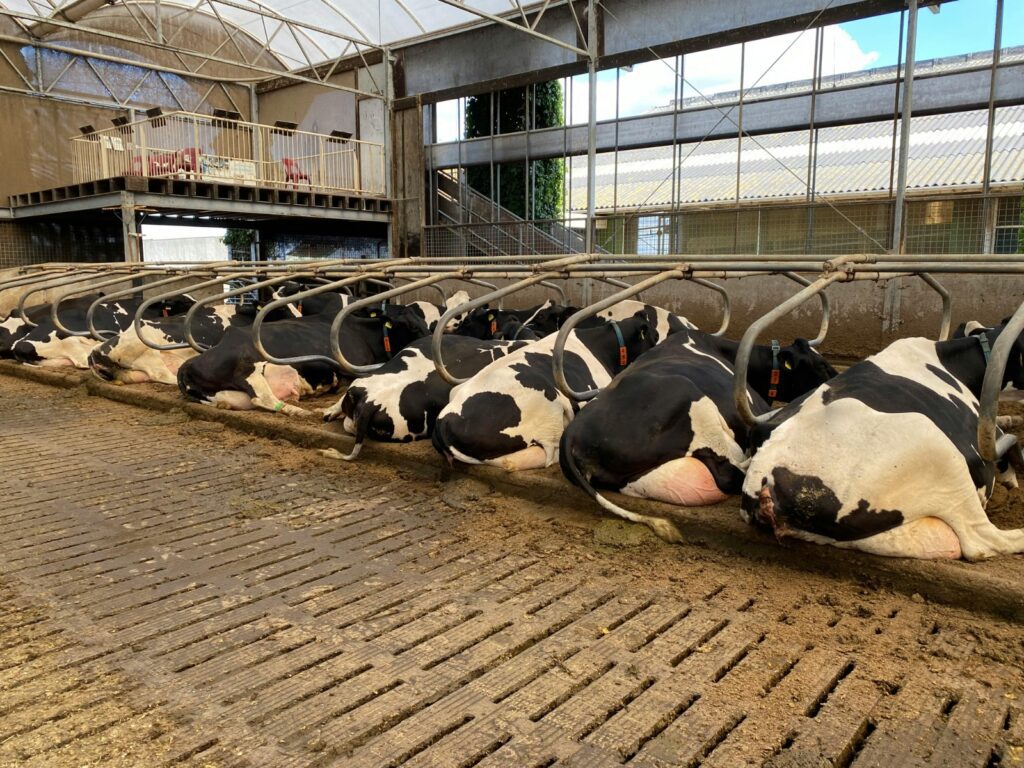
Increase productivity and efficiency
Productivity gets a boost thanks to today’s dairy farms. Thanks to smart gear, keeping track of cows feels less overwhelming. Machines handle milking, meals arrive on schedule through automation, while gadgets keep an eye on well-being. Time stretches further when routines more smoother.
Fertility handled better means fewer empty days between, and steady output follows. When cows stay well, they give more milk without constant vet visits piling up costs. Efficiency climbs simply because things run more smoothly day after day.
When renewable power sources support farm work, daily tasks run without hiccups. Power stays steady for things like milk collection, refrigeration, cooling systems, and lights. Machines keep going even when demand spikes. Fewer breakdowns mean less wasted time.
With updated methods, dairy farming produces more using less water, feed, and labor. Equipment runs smarter, not harder. Energy flows smoothly from the sun or wind into real results on-site.
Environmental and economic benefits
Cows graze under open skies while new ways of working help the land stay healthy. Because farms now plan carefully, they leave less mess behind them. When manure gets handled right, rivers run cleaner, and fields grow stronger.
Renewable energy setups on farms cut down emissions while trimming electricity bills. Instead of relying on fossil fuels, solar panels and bio gas units deliver cleaner power, nudging agriculture toward sustainability.
When cows reproduce more effectively, Dairy farming milk output climbs – this lifts earnings across the farming: Cutting back on feed or fuel expenses adds up, especially when used more efficiently. With updated methods, dairies balance steady income against environmental care. Progress hides in daily choices, not grand promises.
Good Food and Smart Feeding
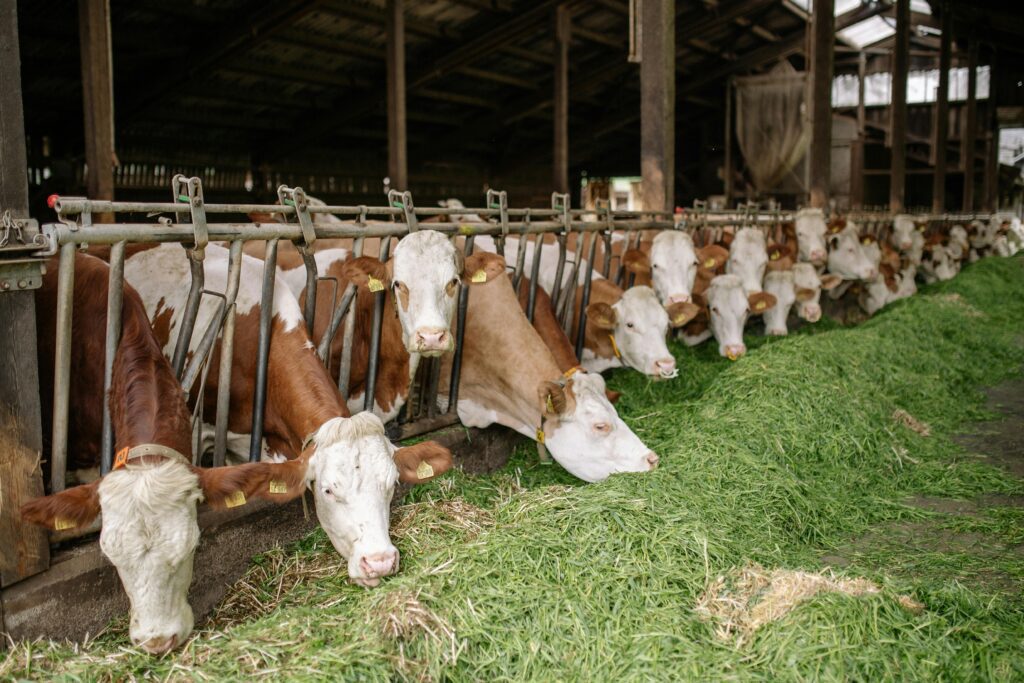
Healthy cows start with what they eat on a dairy farm. Good food means more milk, plain and simple. Instead of just one type, try combining fresh greens, dried plants, and nutrient-rich supplements. Each bite matters when building strong livestock day by day.
Fertility in dairy herds ties closely to what they eat. When cows get proper nourishment, their bodies fight illness more effectively while improving breeding success. Watching how much they consume each day supports a steady physical condition. A balanced diet keeps vital functions running without sudden drops.
Fresh grass isn’t always available, so many farms now rely on stored silage instead. Year-round nutrition stays steady when crops grow indoors under lights.
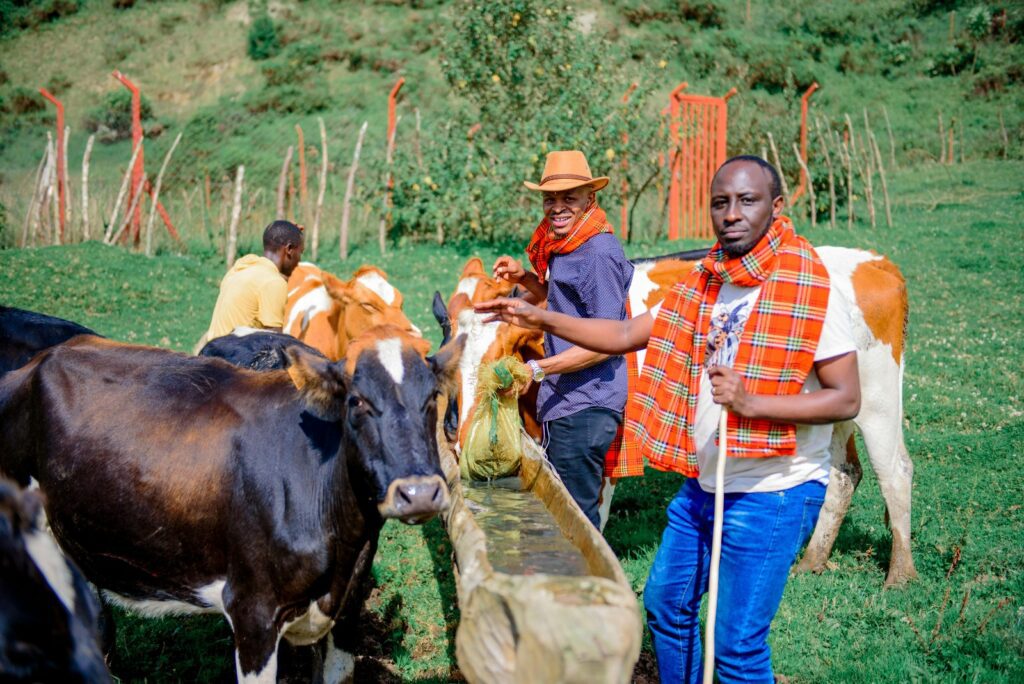
Breeding and Dairy Fertility Management
Breeding well makes dairy farming work better. Choosing strong animals matters just as much as sticking to regular mating times.
Cows often breed in dairy farming better when their heat patterns are watched closely. Good food plays a role, while calm surroundings help just as much. In today’s Dairy farming, inserting semen by hand shows up often. Picking strong bloodlines happens regularly, too.
Fertility in dairy farming animals stays strong when vets visit often, plus problems get fixed fast. How creatures live matters just as much as how they’re treated. Shelter design influences health in ways few notice at first glance.
Dairy farming calm space leads to steady cycles, nothing forced. Rest comes easier when the surroundings support it naturally. Bodies respond well to spaces built with their habits in mind. Stress slips away where movement flows without blocks. Comfort isn’t luxury – it shapes daily function more than expected.
Cows need a place to rest where they feel safe. A shelter that lets in fresh air keeps them calm during hot or cold spells. A good roof overhead means less worry when storms roll through. Comfortable bedding helps them stay relaxed and healthy.
Protection from wind and rain makes daily life easier for the herd. Diary farming: Staying dry matters just as much as having space to move. Fresh air moving through lowers the chances of breathing problems. When animals are at ease, their bodies work better. Peaceful surroundings support steady milk production. How they live directly affects how they thrive.
Cows stay healthier when their stalls feel cozy. A clean spot to lie down means fewer infections creep in. Space to move around keeps stress low, which helps them produce more milk. Dairy farming. Fresh bedding every day stops bacteria from building up. Happy cows tend to breed more easily, especially when dirt is kept away.
Fresh air moves through many new farms with machines that turn on when it gets too hot. These tools help cows stay relaxed during warm times of year.
Managing waste to produce bio gas
Beyond the barns, handling manure well makes sense on dairies. Turning it into gas power happens through natural breakdown instead of burning fossil fuels.
From kitchens to fields, bio gas powers daily tasks on renewable farms. Not only does it light homesbut it also cuts down harmful emissions at the source.
Leftover material from making bio gas works well as natural fertilizer, boosting how plants grow while also helping the earth stay rich. Dairy farming.. Though often overlooked, this waste feeds into stronger harvests simply by returning nutrients where they’re needed most.
Water Management Practices
A glass of fresh water matters more than most think on a dairy farm. When cows drink well, their bodies work better, and even reproduction gets a quiet boost. Rain fills tanks slowly, yet it cuts down how much tap water flows each day. Some farms reuse runoff too – quietly turning waste into worth.
Dairy farming: Clean liquid means healthier herds, fewer sick days, stronger lives. Each drop saved today shapes tomorrow’s supply without drama.
Cows get water without delay thanks to machines that handle it automatically on today’s farms.
Technology and automation in use
Now machines handle milk collection, letting cows choose when to be milked. Sensors track health signs constantly, sending updates straight to phones or tablets. Data tools study patterns so decisions come faster than before.
Fresh data flows help monitor cow breeding patterns, spotting trouble before it grows. Timing shifts reveal when something might be off, keeping herds on track.
Farms that run on renewable power sometimes link up with new tech tools, so they operate more intelligently while staying eco-friendly.
Renewable Energy Integration
Dairy Farms that make milk are starting to use more green power sources these days. Not just sunlight collectors but also spinning wind machines help run things. Even gas made from waste plays a role now, cutting both bills and pollution.
Fuel bills drop when farms switch away from old power Dairy farming methods. Because sunlight and wind fill tanks quietly, daily expenses shrink. Soil stays healthier under green-powered tools. Nature gets a break while work still moves forward.
Energy Efficient Solution Disease Prevention Health Care
Farm animals stay healthier when care comes first on a dairy operation. Shots given often, clean living spaces, along with quick spotting of illness, signs cut down problems before they grow.
Fertility in dairy farming herds rises when animals stay healthy. Because of this, milk output increases too. When farms focus on prevention, vet bills drop. Efficiency across the operation tends to follow.
Dairy Farmers find it helps when they talk regularly with vets about animal care. Working together keeps livestock healthier over time.
Keeping Records on the Farm
Fresh air moves through the barn each morning. A notebook on the shelf tracks how much milk comes from every cow. Dairy farming. Instead of guessing, dates are written down when animals mate or need medicine. Someone checks these notes before making choices about care. Dairy farming helps spot patterns over time. Pens stay filled because someone writes things by hand.
From here, tracking cow reproduction becomes clearer through steady updates. Because of apps and programs, storing details feels less like work while growing more precise.
Fine leadership habits lead to sharper preparation and also lift output. A well-run team plans wisely – performance grows because of it.
Sustainable Grazing Practices
Farmers rely on how they move cows across fields to keep things working well. When animals shift spots regularly, grass gets time to regrow while roots hold the earth together.
Lush grasslands mean better food for cows, which can boost both milk output and breeding success. Trouble spots might still pop up now and then.
High Initial Investment
Equipment, infrastructure, tech – modern dairies need it all. Small-scale operators often finditt tough to manage.
Few realize how slowly gains build – yet over time, results grow stronger. Profits rise, not overnight, but through steady pressure.
Lack of Awareness and Training
Dairy Farming often sticks to old ways because new methods stay unknown. Without knowing them, milk output tends to drop off slowly.
Folks gain more know-how when they go through learning courses. Knowledge grows stronger if people practice it regularly.
climate change and limited resources
Farmers face tougher seasons as shifting climates bring harsh storms instead of steady rains. Water shortages creep in when droughts linger longer than usual.
Facing tough times, farmers must shift toward long-term methods that work with nature instead of against it. Though change feels heavy, working differently can ease pressure on land and livelihoods alike.
Government Help with Money
Money from the state flows into dairy operations, pushing upgrades on farms. Because of this, machinery and barns get a boost through fresh funding.
Farms that harness renewable energy often grow better habits along the way.
Training and Skill Development
Dairy Farming pick up new skills through training that updates how they handle milk production. These sessions shift old habits, bringing fresher ways to manage breeding success on the ground.
Learning gets a boost when people try workshops instead of just reading. Seminars offer chances to listen closely while thinking hard about new ideas. Online materials show up whenever someone needs them most.
Use of digital tools grows
Farmers stay on top of daily tasks thanks to apps made for phones and computer Online tool bring quick solutions straight into the field.
Weather updates, market shifts, plus insights into cow reproduction – all shape smarter choices. Questions pop up
1. What is modern dairy farming?
Dairy Farming milk cows today leans on smart tools, boosting output while caring for animals. From digital trackers to automated feeders, changes shape how herds thrive. Health gets a lift through careful monitoring, year after year. Efforts stretch beyond yield – land and resources get respect too.
New methods quietly reshape routines across wide fields. Progress shows not just in numbers but in calmer barns. Machines assist, yet attention stays close and steady. Each upgrade aims at balance: more care, less waste.
2. How does dairy fertility affect dairy farming?
Fertility in dairy animals shapes how much milk comes out, also influencing whether herds grow or shrink over time – this reality forms the core of effective farm management. A steady cycle here keeps operations running, more than just numbers on paper suggest
3. What are Renewable energy farms in dairy farming?
Dairy Farms powered by renewables tap sunlight, breeze, or organic waste instead of fossil fuels. Clean power runs tractors, lights barns, keeps and water flowing without smokestacks nearby.
4. Can small farmers adopt modern dairy farming?
Dairy Farmers on a smaller scale find it possible to step into updated milk production, beginning simply and then improving bit by bit. Progress often comes through steady changes rather than big leaps at once.
5. Why is sustainability important in dairy farming?
Sustainability Supports Long Term Productivity,, Environmental Protection and on Profitability. Market Access and Adding Value Matter
These days, raising cows for milk means more than just collecting it every morning. Diary Farming Getting that milk to buyers matters just as much as making it.
Turning liquid milk into things like cheese or butter opens new doors financially. Sometimes a batch becomes yogurt instead, which often earns extra income compared to raw milk alone.
A fresh flow of milk begins with better breeding on the Diary farming, keeping production reliable for later processing steps. Reaching buyers straight through neighborhood stalls or web-based shops opens new paths beyond traditional routes.
A single solar array might run a milk pasteurizer, then keep chilled tanks humming through the night. Costs drop when machines draw power from wind instead of fuel lines. Picture fewer breakdowns because refrigeration holds steady without surges.
Farmers gain ground not just by raising cows but by shaping how milk moves to buyers. Profit hides in careful steps – handling, timing, trust. Starting small means learning fast while spending little. Watch animals closely; their habits reveal what routines need shifting. Selling directly builds relationships that supermarkets rarely offer. Each decision, from feed type to delivery route, ripples into income later.
Starting in dairy farming might feel tough at first, yet good preparation makes things workable. Picking a suitable cow breed comes down to local weather plus what buyers want. Healthy animals need solid feed alongside fresh water – this helps them stay strong and reproduce better.
A good place to start? Put together basic shelters that keep animals at ease. When cleanliness matters, along with routine vet visits, sickness stays away – so does extra spending.
Start by setting up tiny renewable setups – like solar lamps or mini biogas systems – to slowly cut down costs. Tracking details on milk output, animal mating patterns, and spending gives clearer control over daily operations.
A single step at a time opens doors. Slow shifts toward newer methods help beginners grow strong roots in milk production. Over months, routine changes turn into lasting results. Fresh approaches mix well with steady effort. Success comes not from speed but consistency. Profit follows care, season after season.
Conclusion
A fresh look at milk production shows how farms keep up with more people wanting dairy, without hurting profits or the planet. With smarter methods popping up, better cow health and fewer emissions go hand in hand. Progress on the land means stronger herds, fuller barns, and less waste piling up. Farms today grow not just food but efficiency, one smart choice after another.
Energy from wind or sunlight now powers many farms, adding a smarter way to run operations. Not only does this cut costs, but it also reduces harm to nature. Dairy work flows better when powered by such smart updates. Cleaner power means healthier outcomes across fields and barns alike.
Even when things get tough because prices stay high or information is hard to find, help shows up through aid from officials, learning chances, and tech that fits in a pocket. Farmers start moving past roadblocks once they have someone backing them, ways to practice new skills, plus gadgets that guide decisions step by step.
Fresh ideas often come when farmers try new ways of managing milk production. Instead of sticking to old habits, many find better results by learning step by step. Success tends to follow those who adjust their routines over time. A stronger farm future begins with small changes today.