
Table of Contents
Introduction
Understanding Silage and Its Importance
Corn Silage Basics: How It’s Made & Where to Find Local Sources. Most farms today depend on silage so animals keep eating well all year round. When the rain stops, fresh plant food gets hard to find. That changes once silage enters the picture. Fermenting green plants without airlocks for months on end. Most folks know silage just saves feed, but it does more.
Rather than wait for fresh grass, growers keep chopped plants such as maize ready through tough months. Of everything stored this way, corn stands out – packed with fuel for livestock plus a straightforward method to pack down. Farms raising milk animals lean on it hard; bodies stay strong, and production goes up without extra fuss.
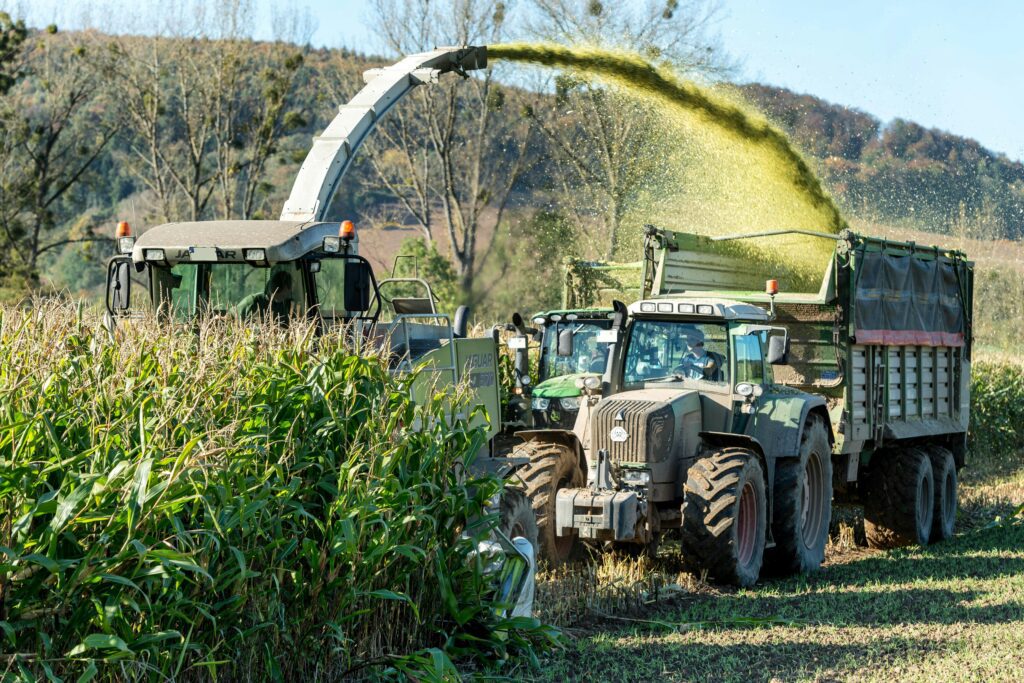
Corn Silage’s Role in Today’s Farming
Farmers raising animals now lean on better ways to feed their herds, with silage playing a key role. Corn silage cuts down expenses while delivering steady nourishment throughout the year. When making it isn’t an option, some look up local sources to purchase prepared batches nearby.
Farming moves forward when silage becomes part of the routine – less about fashion, more about survival. Profit hides where sustainability takes root. What looks like feed choice today shapes tomorrow’s harvests.
Benefits of Silage
High Nutritional Value for Livestock
Silage packs a strong punch when it comes to nutrition. Thanks to fermentation, key elements such as carbs, protein, and minerals stay locked in. Because of this, livestock get a dense source of energy – dairy herds benefit greatly. Corn silage stands out from the rest due to its mix of fuel and roughage, aiding digestion while keeping animals in solid condition.
Corn Silage Basics: How It’s Made & Where to Find Local Sources. Livestock eating silage day after day usually gain better muscle cover, fight off illness more easily, because their defenses hold up well. Freshness sticks around much longer in fermented feed compared to hay left out, given it is kept airtight through the seasons.
Improves Milk Production
Milk output matters most on dairy farms, yet silage quietly makes it possible. Corn silage fed to cows or buffaloes delivers steady fuel, pushing up daily yields. Because digestion happens fast, what’s inside gets used well – no waste, just results. Those who start using silage tend to see numbers climb, not just in volume but richness too. Health stays strong, gut problems fade, leaving room for a reliable supply no matter the season.
Keeps Feed Available All Year
Most herders face a tough issue: green animal food disappears at certain times each year. When the rain stops and fields dry out, finding fresh plant meals becomes hard work. Yet there’s another way – silage turns lush crops into lasting stores. Harvesting corn early, packing it tight keeps goodness locked inside.
Months later, when pastures turn brown, that preserved feed still feeds animals well. Finding silage nearby matters when making it isn’t an option – local sources pop up through simple searches. Through winter or drought, having access keeps animal feed steady.
Reduces Feed Cost
Silage brings clear savings, that much is certain. When fresh plant food floods the fields, putting it away means less spending later on. Facing lean months, farmers pull from reserves rather than paying steep prices at market. Stored corn feed stands out – it leans on a crop that grows almost everywhere, pumping out big volumes per acre.
Most times, buying local means less fuel spent moving feed around – that matters when tracking expenses. When farm folks look up silage close by, savings show up fast, especially on long hauls. Money stays put where it should, instead of burning off roads.
Planning gets easier once prices settle into a pattern, predictable like morning chores. Profits grow quietly but steadily, just like healthy herds do when meals stay consistent.
Better Digestion and Health for Animals
Because of how silage ferments, animals break down the food more easily. As digestion becomes smoother, problems in the gut tend to happen less often. Since corn silage feels tender and tastes good, most livestock eat it without hesitation.
When meals stay steady, bodies respond with stronger performance – more milk, faster gains, or improved breeding. With silage included in daily rations, herds generally stay in better condition while medical spending goes down.
Minimizes Feed Wastage
Leftover feed often piles up with fresh plants, yet silage cuts that down sharply. Stored right, fermented grass stays usable for months with little waste. Cattle go for corn silage fast – chew it clean, unlike dusty hay they leave behind. Farmers grab control over the amounts given each day, pulling out just enough every morning. Using what you take means fewer scraps rotting, lighter costs, smaller footprint on land.
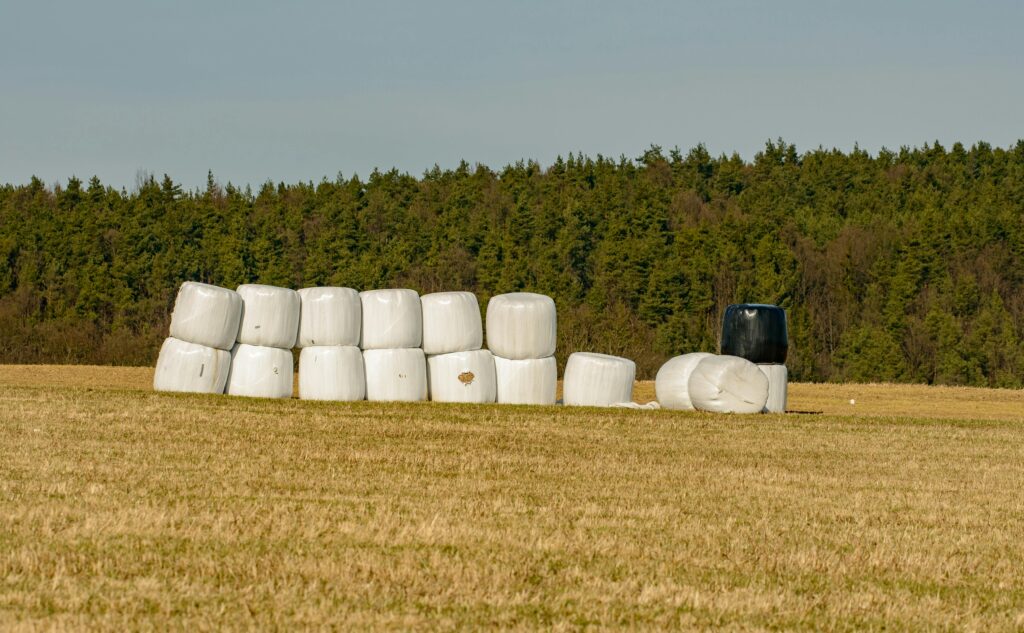
Methods Used in Creating Silage
How Corn Silage Is Made
Chopping things up comes first – timing matters more than people think. Maize tends to work best, especially if you plan on making corn silage. When the kernels shift from milky to firm, that is the moment to bring in the harvest. Start by cutting the feed into tiny bits. Breaking it down helps everything pack well.
Toss the cut pieces into a trench or storage structure. As you add layers, push them down firmly so no air stays trapped. Squeezing out oxygen sets up the right environment where silage can ferment. Top it off with plastic, then pile on dirt to shut the pit tight. Come back in a month or six weeks – silage will be set by then.
Types of Silage Storage Methods: Pit silos work well when space is wide and open. Trench options suit long, narrow spots between fields. Silo bags travel easily across uneven ground. Corn Silage Basics: The choice often follows what tools are already at hand. The size of the harvest shapes which option fits best.
Pit silos show up a lot when people store feed on farms. Yet some choose bagged versions now since they’re easier to move around. Corn Silage Basics: How It’s Made & Where to Find Local Sources. When making silage isn’t possible, folks might look online for nearby sources instead.
High Quality Silage Made Simple
Corn Silage Basics Moisture matters most when making solid silage – aim between 60 and 70 percent. Too much water brings trouble, inviting rot instead of preservation. Packing it down well works because air gets pushed out entirely.
Because molasses gets added, corn silage ferments better. When steps are followed, freshness stays locked in along with nutrition and safety for livestock.
Problems with making silage
Challenges farmers deal with
Even so, putting up silage isn’t always smooth. Trouble often shows up when air sneaks in. Once oxygen gets inside, decay takes hold fast. Mistakes in moisture control pop up sometimes. When feed gets too parched or soaked, silage doesn’t turn out right. Those just starting with corn storage methods tend to trip on details like this.
Problems with Keeping Food Safe
Mold might show up when storage fails. If seals break or covers crack, dampness gets in – silage suffers. Bad feed comes from that, yes, yet animals pay too. Corn Silage Basics: How It’s Made & Where to Find Local Sources. Health dips where spoiled meals are eaten.
Facing these hurdles, a few growers turn to reliable sellers, finding nearby silage through quick searches rather than making it themselves.
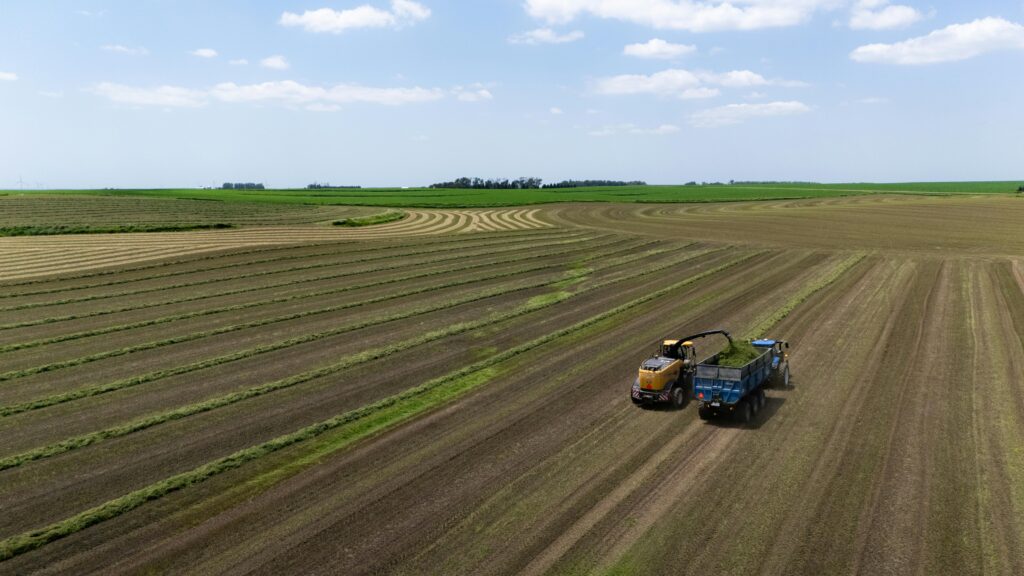
Solutions And Practical Tips
Improving Silage Quality
Right choices early on set the tone for good silage later. Picking strong, fresh plants such as maize matters because what goes in shapes what comes out. Timing harvests just right – when kernels shift from milky to firm – keeps water levels steady while locking in nourishment.
Cutting material short and even lets it pack tightly, a key step so oxygen leaves and souring happens smoothly. Mistakes happen when humidity slips outside the sweet zone – around sixty to seventy percent. High dampness drains nutrients away. Low levels stall fermentation before it really gets going.
Molasses, used sparingly, speeds up breakdown and adds a flavor livestock prefer. Corn Silage Basics: How It’s Made & Where to Find Local Sources. A tight seal on pits or silos keeps air out. Oxygen sneaking in turns good silage bad within days.
Cost-Effective Silage Production
Some folks who grow crops think storing feed needs big spending, yet simple techniques keep it cheap. A hole dug in the ground works well for saving fodder without draining wallets, particularly on smaller plots. Plastic covers held down by dirt – stuff already nearby – seal things tight while cutting what you pay.
When neighbors team up to make a corn storage, splitting tools and effort makes each person’s load lighter. Farmers save more by planting their own animal feed rather than buying it. Lower spending comes with a tighter grip on what goes into the food.
Smart timing when gathering crops means storing plenty of preserved grass for all twelve months. When home production isn’t possible, typing silage near me might uncover local sources, cutting down travel fees.
Storage and Handling Best Practices
Every day, take just what you need from the silo – no more. Afterward, close it tightly so air cannot get in. That keeps what is left safe and fresh. Rain must stay out; wetness ruins the material inside. A tidy space around the container matters too – it guards against problems later.Most days, checking the silage helps catch fuzzy patches or odd odors early.
A clean batch of corn silage often smells tangy in a nice way, like vinegar left in sunlight. Spoiled bits – anywhere you see dark spots or slime – vanish fast once spotted. That sharp eye stops bad stuff from spreading through the pile. Handling it right keeps animals steady on their feet, eating without trouble.
Feeding Tips That Work
Start slow when adding silage to what animals eat – sudden changes can upset their stomachs. One good move? Blend corn silage with hay or grain so meals stay well-rounded and nourishing. Water must be nearby, always available, clean, because digestion leans heavily on moisture intake. How silage gets served matters just as much as how it was stored months before.
Every day at the same time, meals help cows settle into a rhythm that boosts milk output. When routines stay steady with silage, herds tend to thrive while numbers on the scale climb. Questions around mixing or serving? Talking to advisors might clear things up. Finding dependable sources nearby could mean better feed – typing silage near me opens options.
Real-Life Success Tips
One thing leads to another when cows eat better food grown right on the farm. Good timing at harvest helps lock in nutrients before they fade away. A well-chosen crop sets the stage long before cutting begins. Sealing it tight keeps spoilage from sneaking in where it does not belong.
Less spending on bought feed shows up fast in monthly records. Fresh nourishment stays within reach even when fields go dormant. Simple steps add up without needing extra land or machines.
One step at a time works well when just getting started
As skills grow, so does the chance to make more silage – maybe even sell it later. Corn Silage Basics: How It’s Made & Where to Find Local Sources. It doesn’t matter if you make it or look for silage nearby – staying steady with good practices matters most.
FAQs
- Food for animals stored wet comes from grass kept in airtight spaces.
Fresh grass stored tightly becomes silage, a staple on many farms. Dairies rely on it when pasture fails. Locked away from air, the crop ferments slowly underground. This keeps cows fed through cold months. - Why is corn silage popular among farmers?
Fresh corn chopped into silage packs a strong energy punch while staying simple to handle, so farms often rely on it. Better milk output shows up when cows eat this feed regularly. Health perks follow naturally from its balanced nutrition profile. - How can I find silage near me?
Finding silage nearby might start with a quick web search. Local growers could have what you need, so reaching out helps. Some suppliers deliver, others prefer visits. Checking each option takes time. A phone call often clears up availability fast. Locations change, stock varies. Patience matters when sourcing fresh batches. - How long can silage be stored?
Freshly packed silage holds its nutrients through long storage when handled right. Stored well, it stays rich in feed quality for many weeks. - Is silage better than dry fodder?
Freshly packed feed holds more goodness than stale hay, particularly when milking cows are eating it. A bit better on the stomach, too.
Conclution
Most farmers now rely on silage simply because it keeps animal feed stable and rich in nutrients, after the harvest ends. Though getting fresh plant material can be tough when rain stops coming, storing fermented forage helps fill the gap without extra cost. Since grass or corn stored this way holds most of its value, livestock stay well fed even when fields go brown.
While weather shifts outside, what matters is what goes inside – silage makes sure that it stays strong. Out in the fields, corn silage grabs attention because it works so well for feed. Packed with energy, it doesn’t take much effort to store yet delivers strong results in milk output. Because cows digest it easily, herds tend to stay healthier when it’s part of daily meals.
Over time, using this preserved crop quietly shifts farm outcomes – less strain, more steady gains. Silage cuts down expenses while cutting out waste. When harvest time comes around, storing tons of animal food becomes possible. That means less need to buy pricey feed later. If making it isn’t an option, typing silage near me into a search brings up solid sources nearby.
Good-quality fodder stays within reach all year long. Starting out, putting up silage might feel tricky. Yet knowing the steps changes everything over time. When conditions are right – moisture balanced, packing tight – a good result comes naturally. One thing leads to another when storage stays sealed without leaks. Small farms gain just as much, maybe more, by starting slow.
Growth follows quietly once basics are mastered. Right now might be the moment to begin working with silage if healthier animals and sharper results matter. Not every farm grows its own corn silage – some buy nearby – but either way, gains show up clearly. Moving forward with silage often means smoother operations and stronger returns over time.
Starting can feel like just another chore until the feed proves itself through steady outcomes By adopting silage, farmers can secure year-round feed, improve livestock health, and boost milk production. Corn Silage Using corn silage ensures better nutrition and cost savings.
Even beginners can benefit by starting small or searching for silage near me to access quality feed and gradually improve their farming efficiency. Adopting silage is a smart step for modern farmers who want consistent feed and better livestock performance. By using corn silage, animals receive balanced nutrition that supports higher milk production and improved health. It also helps reduce feeding costs and dependency on seasonal fodder.
Farmers can either produce their own silage using simple methods or find reliable suppliers by searching silage near me. With proper planning and usage, silage not only increases farm efficiency but also ensures long-term sustainability and profitability in livestock farming.