
Table of Contents
Introduction
Duck Farming Basics and Importance
In duck farming, raising ducks on farms is catching on, mainly for eggs and meat, along with some extra perks around the land. In recent times, both big and small-scale growers have turned to it – startup costs stay low while rewards can climb.
Not like most birds, these waterfowl handle change well, survive tough conditions, and need little babysitting. That ease pulls in new faces just as much as those who’ve spent years working the soil and co-ops.
Pricing plays a big role when it comes to duck eggs – nutrition and size give them an edge over chicken eggs. Still, what they eat, how much it costs to raise them, along with buyer interest, shapes how much they sell for. With smart handling, raising ducks might turn into steady earnings, supporting households just as well as small farm operations.
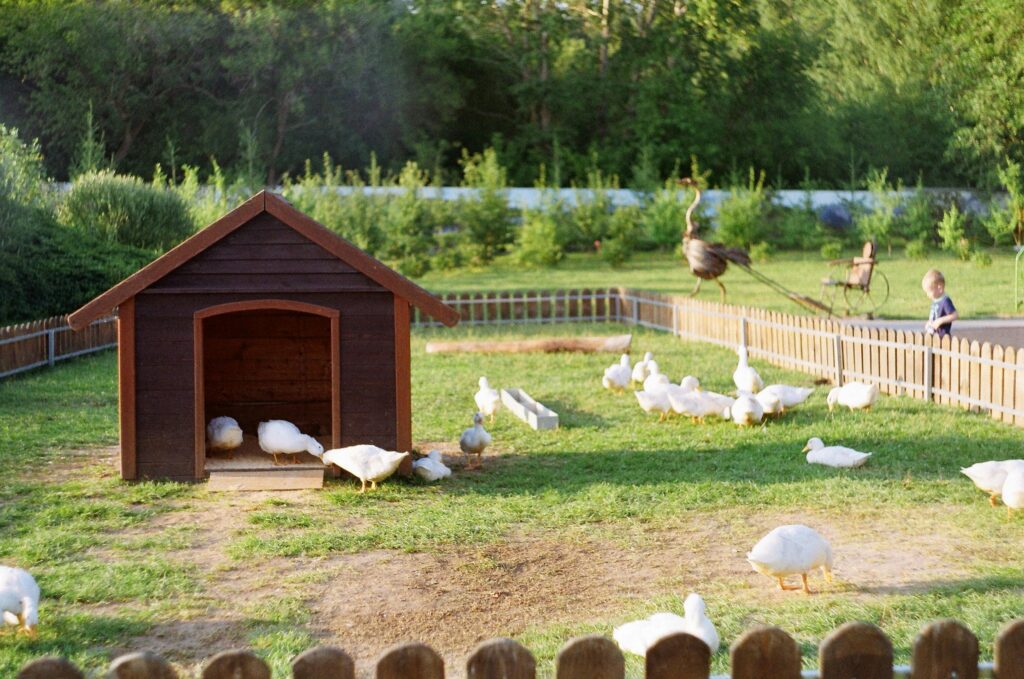
Duck Farming Advantages
1. Low Cost High Reward
Starting duck farming does not demand much money at first. Unlike chickens meant for meat or eggs, ducks need little shelter and thrive outdoors. A few birds can mark the beginning, and growth happens step by step.
Raising Farm ducklings on a farm saves money over time. Tough by nature, these young birds rarely get sick, which means fewer trips to the vet. Instead of relying only on store-bought feed, they’ll happily eat bugs, snails, or water weeds they find themselves. Because they gather so much on their own, there’s less need to buy pricey prepared meals.
Fresh duck eggs and rich meat sell well at neighborhood markets. When buyers want more, prices rise – farmers pocket extra then. High-demand times boost income without needing big land or resources.
2. Strong Disease Resistance
Ducks tend to stay healthier than chickens when it comes to common illnesses. Because of this trait, raising ducks feels like a safer bet for many growers. Money saved on medical treatments adds up fast – boosting what ends up in the pocket at harvest time.
Fewer young ducks die on farms than baby chickens or turkeys. Because they stay cleaner and get regular attention, most grow without problems. Their bodies fight off sickness well, even when the weather changes often.
When birds survive tough conditions, raising ducks makes sense, whereas chicken farms often struggle. Fewer deaths mean steady egg and meat output, so prices for duck eggs stay level even when others rise. What holds here is that survival shapes supply without sudden spikes.
3. Efficient Foraging Ability
Out there, scratching through grass, ducks know just where to look for a meal. Fields give them grubs, ponds offer up tiny creatures, while wetlands spill over with snacks. Because they eat what nature provides, buying less becomes possible. For those working smaller plots of land, that kind of saving matters more than most realize.
Right away, ducklings on farms start learning how to find food. While days pass, they pick up skills spotting bugs, wild plants, and scattered seeds. Less feed bought means savings show up fast. Better-tasting eggs and richer meat follow naturally.
Farmers notice fewer bugs where ducks wander through fields. Since these birds snack on slugs and unwanted beetles, plants face less damage. Their presence means fewer chemicals go into growing food, cutting down costs quietly behind the scenes. Eggs from such setups often carry lower prices simply because raising ducks fits neatly into natural routines.
4. High Egg Production
Year after year, ducks keep delivering eggs without slowing down. Unlike chickens, their laying span stretches much further – many go on for multiple seasons straight. Because of this long run, farm earnings stay stable. It’s the reliability that makes duck rearing stand out.
Most of what happens early shapes how many eggs come later. Feed matters, sure, yet fresh water counts just as much. A quiet space without crowding lets them develop steady strength. When farmers pay close attention at the start, results show up weeks down the road.
Duck eggs pack more nutrition, plus they’re bigger, which explains why people buy them everywhere. Even if they cost a bit more than chicken eggs, what you get back in nourishment covers the difference. Running a farm for ducks turns out to pay off well over time.
5. Adaptable Across Environments
Ducks manage well in many places, whether it is countryside homes or spots near towns. Because they adjust easily, people across different regions find raising them quite doable.
Born on a farm, ducklings need little more than basic cover alongside clean water. A roofed space works well when paired with room to splash around. Though small at first, they handle heat just as easily as chill or damp air. Their tough nature fits many places where the weather shifts often.
Besides cutting expenses, working with nature lets farmers keep egg output steady. Because ducks make good use of ponds and fields, feeding them doesn’t drain budgets. Around more farms are raising ducks – this ease in handling plays a big part.
6. Multiple Income Streams
Farmers raise ducks not just for eggs but also for meat, with feathers and waste adding extra value. Because of these varied outputs, losing money becomes less likely when one product drops in price.
Fresh little waterfowl grow fast on farms, opening up several ways to earn. Because some birds lay eggs regularly, they stay put for steady harvests. Others move off-site once big enough, heading to buyers who want meat. Feathers from these animals find homes too – inside pillows, coats, even gear for sports. Each part adds value beyond just raising them.
Farmers find duck waste useful because it feeds plants well. This natural boost makes the earth richer, cutting down on artificial nutrient needs. Using everything ducks provide helps keep egg costs steady while increasing what comes back at harvest.
7. Combining Aquaculture Systems
Ducks living close to water bring a surprise advantage – ponds gain free food for fish without extra effort. Their waste drops into the water, feeding fish while ducks go about their day.
Floating into pond life slowly helps young ducks stay safe. After settling in, their presence alongside fish builds a working balance that increases output.
With ducks and fish sharing resources, feeding them gets cheaper. Because of that setup, earnings across the whole farm go up. Less spending means egg prices are easier to handle. Sustainability improves without extra effort.
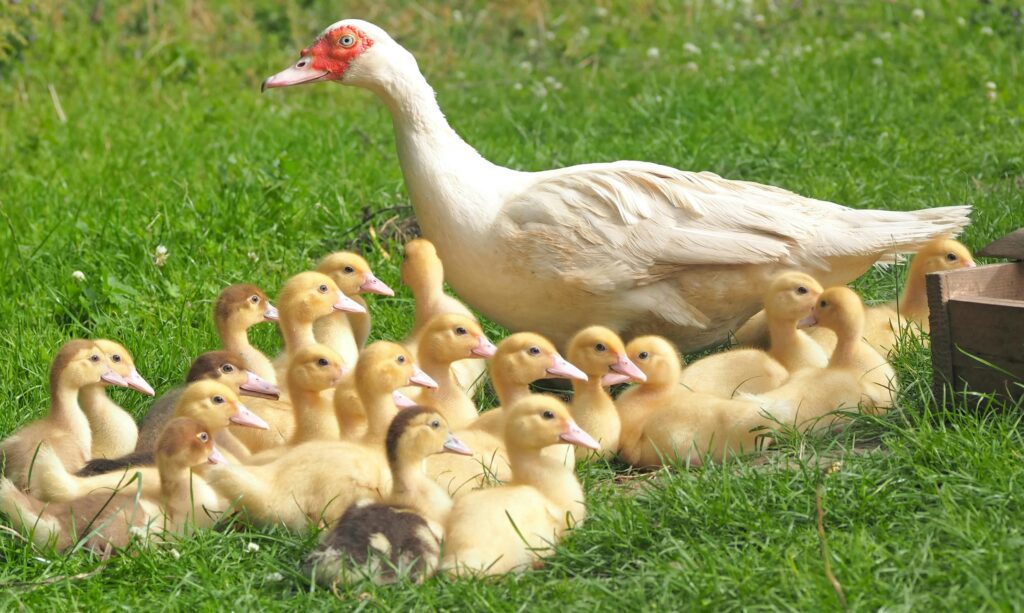
Duck Farming Methods
Appropriate Homes and Safe Places to Stay
A duck shelter doesn’t have to cost much, yet it still needs to keep them safe and at ease. Though basic, a small building works well when it has airflow and guards against hunting animals.
Baby ducks need a cozy, moisture-free shelter when they’re young. Fresh straw on the floor helps them stay well. Room to move means stronger development over time.
Fresh air inside coops eases tension among ducks, which then lay more steadily. When birds feel steady, each egg takes less time to form yet maintains a better shape, pushing overall costs down throughout the season.
Feeding Management
Ducks dig into mud for bugs when they’re hungry – this cuts down on what you need to give them. Their meals must mix seeds, nutrients, and body-building stuff just right. Eating well keeps them strong and growing properly. What they find means less hauling bags around every day.
Start strong with protein-rich meals when raising ducklings on a farm. Once older, they begin exploring greens and bugs found outdoors. Their needs shift slowly toward what nature offers freely.
A well-fed duck stays strong and lays more eggs. Because of this, farmers can keep prices steady. Steady pricing makes it easier to stay competitive in the market.
Water Management
Pouring fresh water into a trough keeps ducks healthy. When they can drink freely, their bodies work better. A splash-filled pool nearby lets them rinse off dirt each day. Without clear water close by, feathers get matted fast. Clean supplies mean fewer problems later on.
Ducklings on a farm need time getting used to water. Right away, deep pools are too much for them. Instead of tossing them in, let it happen slowly.
When water stays clean, fewer people get sick. Because of that, staying healthy becomes easier. As a result, work flows without long breaks. That also keeps duck egg prices steady over time.
Problems with Raising Ducks
Disease and Health Problems
Besides being tough, ducks might get sick without good care. Dirty conditions, along with bad water, often cause illness.
Born small, a duckling needs careful watching right away. When one seems frail, sickness can take hold much faster.
Besides treatment spending, sick ducks lay fewer eggs. That pushes up costs.
Market Fluctuations
Some days, duck items sell fast; other times, prices drop without warning. When buyers hesitate, getting fair value becomes harder for those raising them.
Patience often matters when raising ducklings for profit – returns might lag, particularly if prices keep shifting. Markets that wobble tend to slow progress more than expected.
Farmers stay ahead when they track how prices shift over time. Watching these changes keeps egg income steady through ups and downs.
Solutions to Improve Duck Farming
Better Farm Management Practices
Ducks thrive when their living spaces stay tidy. Because feed matters, giving the right amounts at the correct times makes a difference. Watch them often – signs of health show up early that way. Success in raising ducks ties closely to how well daily routines are handled.
Vaccines matter when raising young ducks on a farm. Good food keeps them strong instead of weak. Staying safe from animals that hunt comes next after eating right.
Smooth running cuts waste while holding duck egg prices steady. Success sticks around when operations stay sharp.
Market Access and Training
Fresh deals often come from talking straight to buyers. When growers link up locally, earnings tend to rise.
Farmers pick up new skills through training that focuses on today’s duck raising methods. Because of this, taking care of young ducks gets easier, and daily operations run more smoothly.
Farmers who learn more about markets often find they can set fairer prices for duck eggs. Better understanding opens doors to buyers willing to pay well.
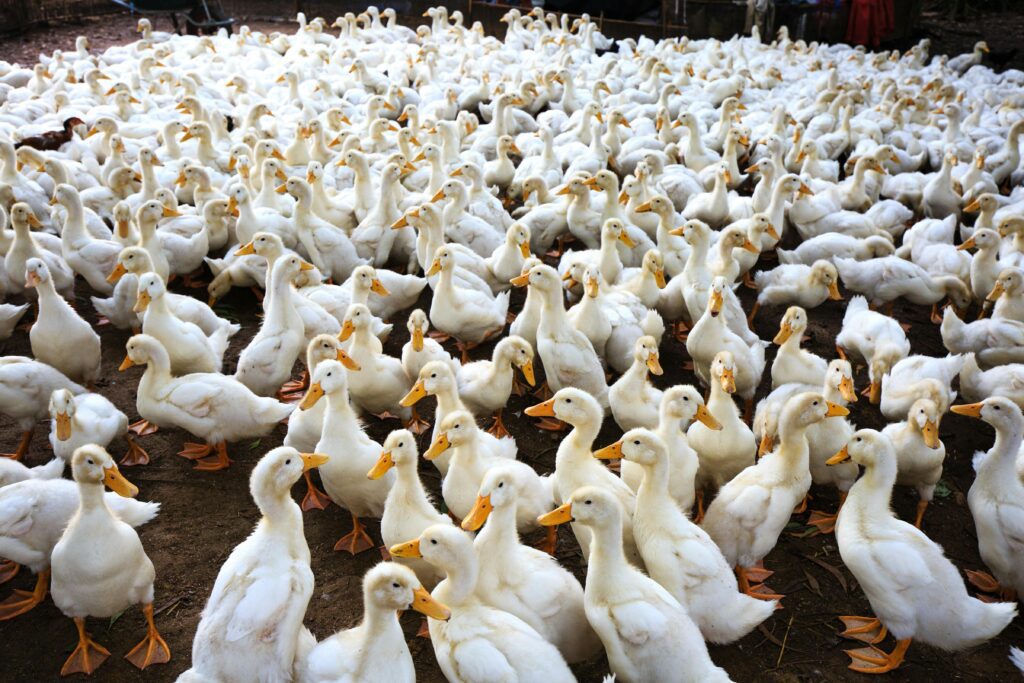
Smart Ways to Raise Ducks for Income
Breed Choice Affects Output
Start with what matters – picking a duck type shapes everything else on the farm. Some thrive when raised just for eggs, others grow best for meat, and some do both well enough. Take Khaki Campbell ducks – they lay often, day after day. On another note, White Pekin birds build body weight fast, making them common in meat setups.
Starting strong matters when picking farm ducklings – choose ones that move well, look lively, no signs of illness. Hatcheries known for clean records help secure solid genetics behind each batch. Better breeds tend to pack on weight quicker, lay more often, and deliver tastier meat down the line.
Most ducks lay eggs at different rates, which changes how much it costs to produce them. Some types give more eggs even if they eat a bit more food or need extra attention. These birds make up for it by delivering greater numbers over time. Picking certain kinds ends up boosting farm earnings in the long run.
Managing Seasons and Adapting to Climate
Fresh seasons shifting often shake up how well ducks do on farms. Though tough animals, sudden spikes in temperature or downpours mess with their bodies and reduce the eggs laid. A spell of scorching days stirs stress, while soaked ground brings discomfort. Even resilient creatures feel pressure when nature swings hard.
When winter hits, ducklings need warm spots along with straw or hay that stays dry so they do not get chilled. Come summertime, shelter from the sun, cool drinking water, plus good airflow matter most. Through each season, tending to these shifts keeps birds strong and steady.
When skies turn harsh, duck egg prices might shift too. Cold snaps or heat waves push ducks to eat more food just to stay warm or cool down. At those times, fewer eggs often come out of the same number of birds. Being ready before winter hits or summer peaks helps keep things running steady on the farm. Income stays level when surprises are already accounted for. A calm season begins with choices made long before it arrives.
Keeping Records Matters
Most little farms skip logging details. Yet numbers matter when raising ducks well. Watch how much food gets eaten, count every egg laid, note any sickness that shows up, and write down costs as they happen. This kind of tracking guides smarter choices later on. Details like these shape better outcomes without flash or guesswork.
Tracking how young ducks grow gives farmers a clear picture of their health over time. When changes show up fast, fixes can happen before things get worse. Better choices come from knowing what is really going on day by day. Fewer birds are lost when patterns reveal trouble ahead.
Most times, clear notes make it easier to figure out how much duck eggs truly cost. Because expenses show up plainly, farmers notice high spending spots while spotting chances to cut back. As seasons pass, smarter choices grow from those details, pushing profits upward slowly but surely.
Hidden Costs of Duck Eggs
Feed and Nutrition Costs
Though raising ducks costs less overall, food sneaks up as a major expense. For strong bodies and plenty of eggs, their meals need careful planning.
Fresh ducklings on a farm need careful feeding right away. Good starter food supports strong development, though it tends to cost more at first. When ducks get bigger, they eat larger amounts of feed each day.
Feed prices shape how much duck eggs cost. When what ducks eat gets more expensive, so does making the eggs. Letting birds search for their own meals cuts some spending. Yet relying only on what they find outside isn’t something every farmer can count on.
Labor and Time Investment
Most people forget how much time duck farming takes. Though ducks demand less work than chickens, someone must feed them every day. Cleaning their space falls on a person, too. Without steady effort, things go downhill fast.
Right away, those tiny ducks need careful watching. From day one, meals have to come at steady times. Water stays fresh only when changed often. Shelter keeps them best when free of drafts and dampness. Each step matters most right after they arrive.
Out there, time counts just like money. The work put in by the farmer – or someone paid – gets folded into how much duck egg farming really costs. When tasks flow better and plans are clear, fewer hours are used up. That kind of setup trims down what you spend on people power.
Healthcare and Maintenance Costs
Few might expect it, yet ducks can still fall ill despite their strong resistance. Now and then, a vet visit becomes necessary – sometimes meds, sometimes shots. Not often, but it happens.
Farm ducklings need careful health checks to avoid later problems. When young birds get sick, their development might slow – unless help comes fast. Starting strong means watching closely from day one. Weakness early on often leads to smaller yields down the road.
Catching issues before they spread makes a big difference. A single overlooked symptom can ripple through a whole batch. Regular observation beats waiting for obvious signs. Healthy beginnings usually come from consistent attention. Prevention quietly does more than most realize. Most setbacks are avoidable with steady routines.
Fixing shelters, scrubbing things down, keeping water flowing – each bit chips away at profit. When folks figure out what it takes to run a place that makes duck eggs, every little thing counts.
Transportation and Marketing Costs
Fuel bills pile up when moving ducks and eggs to buyers. Getting birds where they need to go means paying for trucks, drivers, plus time on roads.
Besides selling farm ducklings, getting the packaging right matters just as much. Without careful handling during transit, losses start adding up quickly. Cracked eggs or hurt young ducks mean less money at the end of the day.
Spending on ads, labels, and boxes adds up. Because of that, duck eggs get pricier – still, without it, selling them widely won’t happen. Higher payback needs that move.
Simple Advice for Newcomers
Begin with small steps and grow slowly
Starting small makes sense when you’re new to raising ducks. That way, mistakes won’t cost too much while figuring things out.
Starting small lets new duck keepers learn as they go. With time under their belts, raising more becomes natural. Fewer mistakes happen when skills are built slowly. Confidence rises just like the numbers in the pen.
Small steps make it easier to learn what duck eggs cost. Costs become clearer when you begin slowly. Growing too fast can blur the numbers. Watching each step keeps spending steady. Learning happens best at a quiet pace. Then the expansion feels less risky later.
Quality Before Quantity
Better ducks mean better results when it comes to egg and meat production. A strong bird brings greater value at sale time because condition matters most. Quantity takes a back seat once health enters the picture. Market rewards follow where wellness leads.
A well-fed duckling stays active through the early weeks. Because cleanliness slows disease, damp bedding gets replaced daily. Growth gains follow when warmth and space are steady. Healthy birds eat better, move more, and rest without disturbance. Productive adults start with careful attention at the beginning.
Besides strong quality, duck egg prices tend to rise when buyers see clear freshness. A solid reputation might mean bigger earnings for those raising ducks. People usually spend extra if they trust that what they eat holds real value.
Build Direct Customer Relationships
Fresh off the farm, ducks land straight in customers’ hands – cutting out extra stops along the way. Profits climb when sellers skip layers between them and buyers.
Out there, selling ducklings and eggs might happen at roadside stands, online posts, or by bringing orders straight to homes. People come back when they feel sure about who they’re buying from.
Farmers keep prices steady when they sell duck eggs straight to buyers. This way, profits stay higher without middle steps cutting into earnings.
Future Scope of Duck Farming
Growing Demand for Duck Products
More people want duck products now because they’re healthy and taste different. Not only do duck eggs pack plenty of protein, but they also deliver essential vitamins and minerals. Health-focused buyers often choose them over others. Their appeal grows as awareness spreads.
Farm-raised ducklings are seeing higher numbers, thanks to a growing number of people taking up duck farming. With more hands in the field, fresh ideas and room to grow naturally follow.
Farmers might earn more when duck egg prices rise along with rising demand.
Chances of Growing Food Naturally
Farmers are starting to raise ducks without chemicals more often now. Because people like eating food that grows outside with nothing added. When ducks live where they can move freely, their meat tastes better, plus the eggs are richer too.
Fresh food shapes how ducklings grow on organic farms. Without heavy chemical help, meals come straight from nature’s basics. Better taste follows, also longer trust at markets.
Fresh from farms that skip synthetic stuff, duck eggs bring heftier price tags. Yet those same yolky gems line pockets fuller, too. Look ahead, and you’ll see more folks chasing this path. Profit trails where nature leads.
Government Help and Programs
Poultry and duck farming get a boost from government support in many places. Help arrives through cash aid, along with hands-on learning opportunities. Starting becomes easier for farmers when guidance shows up early. Growth follows once operations gain footing, thanks to these openings.
Starting small, farm duckling programs share practical tips alongside tools that help. Because of these efforts, growers pick up new methods while seeing better results over time. A different way each season keeps things fresh yet familiar.
Starting isn’t always cheap, yet funding options exist that ease the burden of startup expenses for duck egg operations. Because of this, people who’ve never farmed before might find it easier to begin raising ducks.
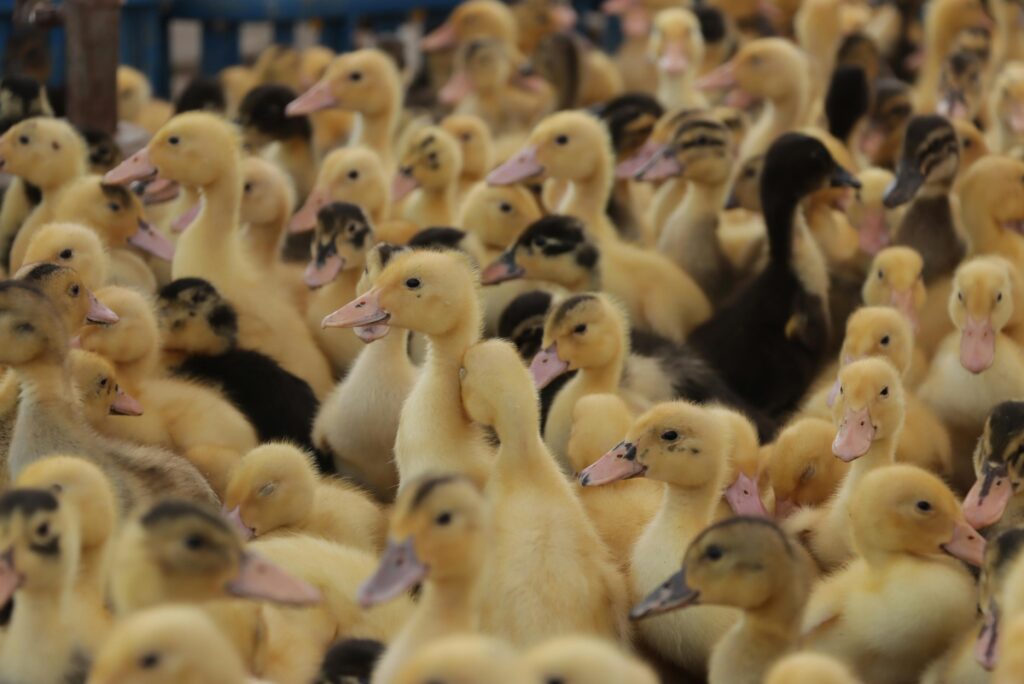
Final Thoughts
Ducks on farms once meant food for families, but now it means income too. Because they grow fast and eat little, some see profit in their feathers. Yet feed prices rise without warning, so margins stay thin. With planning, though, losses turn into lessons. Success hides where effort meets knowledge.
Starting right begins with how ducklings are raised on a farm. Strong growth early means healthier adult ducks later. Because costs matter, knowing what duck eggs require financially lets planning happen without surprises down the road.
Starting strong means knowing what ducks need each day. Staying ahead happens when routines mix smart planning with close attention. Success grows through watching the details others skip. Learning never stops if progress matters at all. Experience helps, yet beginners catch up fast, too. What counts shows up in healthier birds and steady results. Long-term wins come from adjusting before problems arrive.
FAQs
1. Is duck farming profitable for beginners?
Fresh off the starting line, raising ducks can turn a solid profit without high costs up front. Because handling them stays simple, new farmers often find success fast. With attention given early on to young birds, results later improve noticeably.
2. How much do duck eggs usually cost?
Besides where you are, what ducks eat also shapes how much their eggs cost. Often pricier than chicken eggs because they pack more nutrients inside.
3. How to take care of farm ducklings?
Fresh food matters most when raising young ducks. Water stays clean through daily checks. A cozy spot keeps them warm at night. Safety from illness begins on day one. Strong growth follows careful attention early. Healthy adults start with thoughtful steps as chicks.
4. How many eggs can ducks produce in duck farming?
A single duck might give two hundred to three hundred eggs each year when it stays well. Breed matters. Care routines shape results too, yet some handle change better than others.
5. What affects the cost of duck eggs the most?
Farmers watch their spending on food for ducks, how well they run operations, yet prices shift when buyers want more. What people buy affects pricing just as much as daily chores do. Running a place takes planning because food adds up fast, but nothing matters if stores won’t stock them.
Conclusion
Raising ducks fits well into today’s farms because it works without high costs yet brings solid rewards. With fewer upfront expenses and steady profits, plus added perks like reducing pests naturally, it draws interest from growers looking for reliable options.
Watchful care during the early weeks shapes how well young birds develop, influencing results across the entire operation. Success often follows when attention stays sharp from day one.
Most folks overlook how much duck eggs run, yet knowing the price shapes every move a farmer makes. When hurdles pop up, working through them piece by piece shifts the whole outcome. Success sneaks in when small tweaks stack – feeding right, shelter tight, timing spot on. A steady rhythm beats luck each time. Profits grow quietly, not with noise but routine.
Besides being steady work, raising ducks brings solid returns. Though often overlooked, this path offers consistent results. Instead of typical livestock, many now choose waterfowl. With proper care, outcomes tend to stay favorable. Unlike flashier options, it stays practical season after season.
Pingback: Mud Crab Farming: 11 Best Tips & 4 Dangerous Pitfalls -
Exactly—and that location choice isn’t accidental. Mud crab farming thrives near river mouths because brackish water creates ideal growing conditions. Strong market demand is what’s driving its rapid spread, but success still depends on proper site selection, water management, and stocking density. Demand alone doesn’t guarantee profits—execution does.