
Table of Contents
Introduction
Wheat farming today is no longer the simple “plough–sow–harvest” activity described in textbooks. In the real world, wheat farming is a decision-driven agribusiness where climate, soil, seed quality, fertilizer balance, water timing, and market economics decide profit or loss. Farmers who treat wheat as a science earn consistently; those who rely on guesswork struggle.
Wheat remains one of the world’s most important cereal crops because it feeds more than 35% of the global population directly. Products made from common wheat and durum wheat — such as flour, bread, chapati, pasta, and semolina — form the backbone of daily diets across continents.
India is the second-largest wheat producer globally, and this position is not accidental. It is the result of improved wheat farming practices, high-yielding varieties, irrigation expansion, mechanization, and better fertilizer management. Today, technology-driven wheat farming determines whether a farmer merely survives or actually grows.
Understanding Wheat: Crop Basics
Wheat belongs to the genus Triticum, and the two most important cultivated species are:
- Triticum aestivum (Common wheat) – used for chapati, bread, biscuits, and bakery products.
- Triticum durum (Durum wheat) – used for pasta, macaroni, and semolina-based foods.
India grows both common wheat and durum wheat depending on agro-climatic conditions. Wheat farming success depends heavily on choosing the right species for the right region.
Wheat-growing zones in India include the North-Western Plains, North-Eastern Plains, Central Zone, and Peninsular Zone. These zones matter because temperature, soil type, and sowing windows vary, directly affecting yield.
Globally, wheat farming plays a critical role in food security. Any disruption in wheat supply chains — due to climate stress or poor farm practices — directly impacts food prices and availability.
Ideal Climatic Conditions for Wheat Farming
Wheat farming requires cool and dry conditions during most of the crop cycle.
- Germination: 20–25°C
- Tillering: 16–20°C
- Flowering: 14–18°C
- Grain filling: 18–24°C
Rainfall of 75–100 cm annually is sufficient, but wheat is relatively drought-tolerant when supported by timely irrigation.
Late heat stress is one of the biggest yield killers in wheat farming. High temperature during grain filling causes shriveled grains and yield loss. Farmers manage this by timely sowing, choosing heat-tolerant varieties, and proper irrigation scheduling.
Soil Requirements & Preparation
The best soils for wheat farming are loam and sandy loam soils with good drainage. Soil structure matters because compacted or poorly aerated soil restricts root growth and nutrient uptake.
- Ideal pH: 6.0–7.5
- Soil should be rich in organic matter and balanced nutrients.
Land Preparation Steps:
- First ploughing to loosen soil
- Harrowing to break clods
- Leveling for uniform irrigation
- Fine seedbed preparation
Common soil mistakes include poor leveling, excessive tillage, and ignoring soil testing — all of which reduce wheat productivity.
Seed Selection: The Make-or-Break Step
Seed quality alone can decide 20–25% yield difference in wheat farming.
- Choose zone-specific high-yielding varieties
- Prefer disease-resistant varieties (rust, smut, blight)
- Certified seeds outperform farm-saved seeds in uniformity and vigor
Skipping seed treatment is foolish. Fungicide and biofertilizer treatment protects seedlings and improves nutrient uptake, directly increasing yield.
Sowing Practices
Timely sowing is critical in wheat farming.
- North India: Late October to mid-November
- Central India: Early November
Seed rate varies by variety, but 40–45 kg per acre is common.
Depth of sowing should be 4–5 cm, with proper row spacing. Zero tillage and seed drills reduce cost and improve soil health compared to traditional broadcasting.
Late sowing always leads to yield loss — no exceptions.

Irrigation Management
Critical irrigation stages in wheat farming include:
- Crown Root Initiation (CRI)
- Tillering
- Booting
- Flowering
- Milk and dough stage
Over-irrigation causes lodging and fungal diseases, while water stress reduces grain size. Precision irrigation and mulching save water and stabilize yield.
Nutrient Management & Complete Fertilizer Guide for Wheat Farming
Wheat is a nutrient-hungry crop. Balanced fertilizer use decides 40–60% of yield.
Recommended Nutrients (Per Acre):
- Nitrogen: 40–45 kg
- Phosphorus: 20–24 kg
- Potassium: 0–15 kg
- Zinc: 10 kg
- Sulphur: 20 kg
Best Fertilizer Combination:
- DAP: 50 kg
- Urea: 80–90 kg (split doses)
- MOP: 10–12 kg
- Zinc Sulphate: 10 kg
- Sulphur: 20 kg
- FYM: 2 tons
This balanced approach supports both common wheat and durum wheat production efficiently.
Complete Fertilizer Guide for Wheat Farming
Wheat farming succeeds or fails largely because of nutrient management. The common “apply fertilizer and forget it” approach never delivers high yield. Wheat is a nutrient-demanding crop that requires a precise balance of nitrogen, phosphorus, potassium, zinc, sulphur, and organic matter. Even a small deficiency or wrong timing can directly reduce yield.
This section explains, in one place, the types of fertilizers used in wheat farming, exact quantities, correct application timing, best fertilizer combinations, the real role of organic fertilizers, and their direct impact on yield—without confusion.
1. Types of Fertilizers Used in Wheat Farming
A. Chemical (Inorganic) Fertilizers
These fertilizers act fast and have a direct impact on wheat yield.
- Urea – Main source of nitrogen; essential for plant growth and tiller formation
- DAP (Di-Ammonium Phosphate) – Supplies phosphorus along with some nitrogen
- SSP (Single Super Phosphate) – Provides phosphorus and sulphur
- MOP (Muriate of Potash) – Source of potassium
- Micronutrients – Zinc sulphate, boron, sulphur, magnesium
When applied in the wrong quantity or at the wrong time, chemical fertilizers cause more harm than benefit.
B. Organic Fertilizers
Organic fertilizers improve soil health, but they do not give instant yield increase.
- Farmyard manure (FYM)
- Vermicompost
- Neem cake / Bone meal
- Biofertilizers (Azotobacter, PSB, Mycorrhiza)
The best results in wheat farming come from a balanced combination of organic and chemical fertilizers. Depending only on organic inputs is not practical for commercial yield.
2. Recommended Nutrient Dose for Wheat (Per Acre)
Scientifically recommended nutrient requirement per acre:
- Nitrogen (N): 40–45 kg
- Phosphorus (P₂O₅): 20–24 kg
- Potassium (K₂O): 0–15 kg
- Zinc: 10 kg
- Sulphur: 20 kg
These nutrients must now be converted into actual fertilizer quantities.
3. Actual Fertilizer Requirement (Per Acre)
A. Urea (Nitrogen Source)
- 1 bag (45 kg) urea contains 46% nitrogen
- Required nitrogen ≈ 40 kg
- Urea required: 80–90 kg per acre
Split Application (Very Important):
- 1/3 at sowing
- 1/3 at CRI stage (20–25 days after sowing)
- 1/3 at tillering stage (around 45 days)
Applying all urea at once is one of the biggest mistakes in wheat farming.
B. DAP (Phosphorus Source)
- 50 kg bag contains 46% P₂O₅
- Required phosphorus ≈ 20 kg
- DAP required: 40–50 kg per acre (1 bag)
DAP should always be applied at the time of sowing.
C. MOP (Potash)
- 10–12 kg per acre, only if soil is potassium-deficient
- Many wheat fields already contain sufficient potassium—soil testing is the smart approach.
D. Zinc Sulphate
- 10–12 kg per acre
- Increases tillers, improves grain weight, and reduces shriveled grains
Skipping zinc almost guarantees a yield loss of 2–3 quintals per acre.
E. Sulphur
- 20 kg per acre
- Improves protein content and stabilizes yield
- Can be applied through SSP or bentonite sulphur
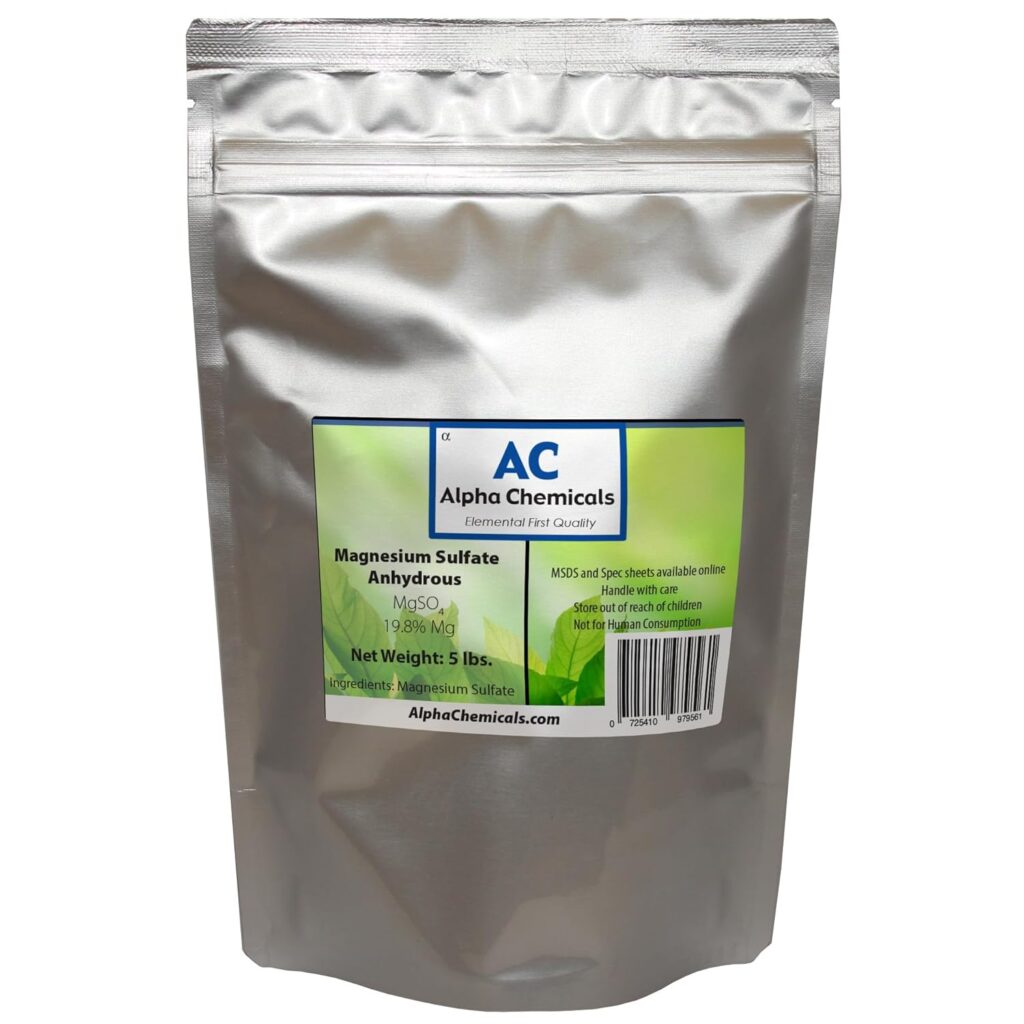
Purchase Link: https://amzn.to/4tQYpi0
4. Best Fertilizer Combination for High Yield
For maximum output in wheat farming, follow this proven combination:
Per Acre High-Yield Formula:
- DAP – 50 kg
- Urea – 80–90 kg (split doses)
- MOP – 10–12 kg
- Zinc sulphate – 10 kg
- Sulphur – 20 kg
- FYM – 2 tons
- Biofertilizers (Azotobacter + PSB) for seed treatment
This combination works effectively for both common wheat and durum wheat.
5. Fertilizer Use vs Wheat Yield
| Fertilizer Management Level | Expected Yield (Per Acre) |
| Low fertilizer use | 8–10 quintals |
| Recommended dose | 14–18 quintals |
| Balanced nutrients + timely irrigation | 18–22 quintals |
| High-tech wheat farming | 20–24 quintals |
In reality, fertilizer management alone decides 40–60% of wheat yield.
6. Organic Fertilizer: Reality Check
The primary role of organic fertilizers is soil improvement, not immediate yield increase.
If only organic fertilizers are used:
- Yield reduces by 20–35%
- Nitrogen release is slow
- Grain size remains small
- Crop response is weak
Best Organic + Chemical Mix (Per Acre):
- FYM – 2 tons
- Vermicompost – 400–500 kg
- Urea + DAP + zinc + sulphur (recommended dose)
This combination ensures healthy soil, strong roots, long-term fertility, and stable yield.
7. Seed Treatment (Optional but Highly Effective)
Seed treatment is a small step with a big impact.
- Carbendazim / Thiram – fungal protection
- Azotobacter – nitrogen fixation
- PSB – improves phosphorus availability
- Mycorrhiza – enhances root development
Benefits:
- Strong germination
- Healthier roots
- Better nutrient absorption
- 5–10% yield increase
8. Common Fertilizer Mistakes to Avoid
- Applying all urea at sowing
- Skipping zinc application
- Late nitrogen application
- Excessive DAP use
- Ignoring soil testing
These mistakes are not due to lack of experience, but carelessness.
Final Clear Answer
Best Fertilizer for 1 Acre Wheat Farming:
- 1 bag DAP (50 kg)
- 80–90 kg urea
- 10–12 kg MOP
- 10 kg zinc sulphate
- 20 kg sulphur
- 2 tons FYM
- Biofertilizer seed treatment
Expected Production:
18–24 quintals per acre, depending on irrigation and weed management.
Organic-Only Yield:
10–12 quintals per acre (maximum).

Weed Management in Wheat Farming
Weeds are the silent profit killers in wheat farming. Most farmers underestimate them, but weeds can reduce wheat yield more than insects or diseases if not controlled on time. The main reason is competition — weeds steal nutrients, water, sunlight, and space meant for the wheat crop.
Major Weeds in Wheat Fields
- Phalaris minor (Gulli danda) – the most dangerous weed in irrigated wheat
- Wild oats
- Chenopodium (Bathua)
- Rumex (Jangli palak)
These weeds grow faster than both common wheat and durum wheat during early stages, making early control critical.
Weed Control Methods
- Pre-emergence herbicides: Applied just after sowing to stop weeds before they emerge
- Post-emergence herbicides: Used when weeds are visible, usually 25–35 days after sowing
Integrated Weed Management (Best Approach)
Smart wheat farming does not depend only on chemicals. It combines:
- Proper seed rate and spacing
- Timely irrigation
- Crop rotation
- Correct herbicide use
Ignoring weed management can easily cause 20–30% yield loss, even if everything else is done perfectly.
Pest Management in Wheat Farming
Compared to other crops, wheat has fewer insect problems — but when pests attack, damage spreads fast.
Common Wheat Pests
- Wheat aphid – sucks sap, weakens plants
- Brown wheat mite – appears in dry conditions
- Pink stem borer – damages tillers
Smart Pest Control Strategy
Blind pesticide spraying is a mistake. Good wheat farming follows IPM (Integrated Pest Management):
- Regular field monitoring
- Encouraging natural predators
- Using selective pesticides only when pest population crosses the economic threshold
Unnecessary spraying increases cost and kills beneficial insects without improving yield.
Disease Management in Wheat Farming
Diseases can destroy an entire wheat crop if ignored early. Fungal diseases are the biggest threat.
Major Wheat Diseases
- Rust diseases (yellow, brown, black)
- Leaf blight
- Karnal bunt
- Smut
Prevention Is More Powerful Than Cure
The most effective disease control in wheat farming is:
- Growing resistant varieties
- Using certified seeds
- Seed treatment before sowing
Once disease spreads, spraying only limits damage — it never fully recovers lost yield. This is why variety selection matters more than chemicals.

Harvesting & Post-Harvest Handling
Harvesting is the final exam of wheat farming. You can do everything right—good seed, perfect fertilizer, timely irrigation—but if harvesting or post-harvest handling is wrong, 30–40% of your profit can disappear. This stage decides grain quality, market price, and actual income.
When Is Wheat Ready for Harvesting?
Wheat should be harvested at physiological maturity, not earlier and not later.
Clear maturity indicators:
- Plants turn golden yellow
- Leaves dry completely
- Grains become hard and firm
- Grain moisture falls to around 18–20%
Harvesting too early gives:
- Light grains
- Lower weight
- Poor market price
Harvesting too late causes:
- Grain shattering
- Lodging
- Loss from birds, wind, and rain
Good wheat farming means harvesting at the right time, not “when labour is free.”
Harvesting Methods
A. Manual Harvesting
Still used in small farms.
Pros:
- Low machine cost
- Selective cutting possible
Cons:
- Labour-intensive
- Slow
- Higher grain loss
- Expensive during labour shortage
Manual harvesting looks cheap, but in reality it often reduces net profit.
B. Mechanical Harvesting (Combine Harvester)
Modern wheat farming prefers machines.
Advantages:
- Fast and uniform harvesting
- Lower grain loss
- Timely operation (very important in heat-prone areas)
- Cost-effective on medium and large farms
Mechanical harvesting also helps maintain grain quality, especially for common wheat and durum wheat grown for market sale.
Threshing: Separating Grain from Straw
Threshing can be done manually or mechanically, but mechanical threshing is safer and more efficient.
Poor threshing causes:
- Broken grains
- Contamination with straw
- Reduced market value
Clean, well-threshed wheat always sells better.
Cleaning and Drying of Wheat Grain
After threshing, wheat grain must be:
- Cleaned to remove dust, straw, and damaged grains
- Dried to safe moisture levels (12–14%)
High moisture grain:
- Develops fungus
- Attracts insects
- Loses weight and quality
Drying is not optional — it is non-negotiable in wheat farming.
Storage: Where Most Farmers Lose Money
Bad storage can destroy the entire season’s effort.
Ideal storage conditions:
- Dry and ventilated place
- Clean storage bags or bins
- Protection from rodents and insects
Common storage mistakes:
- Storing grain with high moisture
- Mixing new grain with old stock
- Ignoring pest control
Even perfectly grown wheat becomes worthless if storage is poor.
Why Post-Harvest Handling Matters So Much
Post-harvest losses are invisible but deadly. Farmers often blame low prices, but the real issue is:
- Poor grain quality
- High moisture
- Insect damage
In professional wheat farming, post-harvest handling is treated as part of production, not an afterthought.
Bottom Line (No Sugarcoating)
- Harvest too early → yield loss
- Harvest too late → quality loss
- Poor drying → fungal damage
- Bad storage → financial loss
If someone says harvesting is “simple,” they don’t understand wheat farming.
Yield & Economics of Wheat Farming
This is where reality hits.
Average vs Potential Yield
- Average wheat yield: 14–18 quintals per acre
- Scientific wheat farming: 20–24 quintals per acre
The gap exists because of:
- Late sowing
- Imbalanced fertilizers
- Poor weed control
- Ignoring micronutrients
Cost of Cultivation Includes
- Seed
- Fertilizers
- Irrigation
- Labour
- Harvesting
Profit depends not on spending more, but on spending smart.

Modern Innovations in Wheat Farming
Traditional wheat farming is slowly being replaced by data-driven agriculture.
Key Innovations
- Precision farming tools
- Soil sensors
- NDVI-based crop monitoring
- Zero tillage
- AI-based advisory platforms
These technologies reduce wastage, improve timing, and stabilize yield for both common wheat and durum wheat.
Challenges in Wheat Farming
Even the best-managed wheat farms face challenges:
- Rising temperature and heat stress
- Water scarcity
- Increasing fertilizer and labour costs
- Dependence on MSP and market fluctuations
- Lack of technical awareness among farmers
Ignoring these challenges doesn’t make them disappear — adapting does.
Future of Wheat Farming
The future of wheat farming will depend on adaptation, not tradition.
Key focus areas:
- Climate-resilient wheat varieties
- Water-efficient farming systems
- Sustainable fertilizer use
- Digital advisory and farm automation
Farmers who adopt technology early will dominate; others will struggle to keep up.
FAQs
1. Which wheat variety is better: common wheat or durum wheat?
It depends on market demand and climate, not personal preference. Common wheat is safer, widely adaptable, and easier to sell. Durum wheat gives higher prices but needs specific climate, timely irrigation, and better management. If you don’t have assured buyers, choosing durum wheat is a gamble.
2. What is the best sowing time for wheat farming?
Late sowing is one of the biggest yield killers. Wheat should be sown when soil temperature is ideal—neither cold nor hot. Delayed sowing shortens the grain-filling stage and directly reduces yield, even if fertilizers are perfect.
3. How much fertilizer is actually required in wheat farming?
More fertilizer does not mean more yield. Excess urea causes weak plants and lodging. Balanced use of nitrogen, phosphorus, potassium, and micronutrients—based on soil condition—is what determines productivity, not guesswork.
4. Can organic fertilizer alone give good wheat yield?
Organic fertilizers improve soil health but cannot meet full nutrient demand in one season. Farmers expecting high yield using only organic inputs are fooling themselves. The smart approach is integrated use—organic for soil, chemical for yield.
5. Why does wheat yield differ even with the same farming practices?
Because wheat farming is sensitive to timing, soil moisture, temperature, and management discipline. Two farmers can follow the same steps, but the one who is timely and precise always wins. Yield loss usually comes from delay and neglect, not bad luck.
Conclusion
Wheat farming today is no longer guesswork. It is a science-based, precision-driven system where every decision matters — from seed selection to fertilizer balance, from irrigation timing to weed control.
Whether growing common wheat or durum wheat, success comes to those who treat farming as a business backed by knowledge. When modern practices are combined with field experience, wheat farming remains one of the most stable and dependable agricultural enterprises.