
Table of Contents
Introduction
Paddy cultivation now? It looks less like drenching fields and dropping young plants into mud by habit. Today’s approach relies on careful choices – seed type matters, nurseries require attention, water must be managed, nutrients balanced, weeds monitored, pests tracked, and weather timed. Outcomes depend on these details. Success shows up in harvests and income.
Farming rice like a careful study brings steady harvests every season. When routines depend on routine alone, expenses climb while earth weakens and results waver. Tiny errors grow heavy here – this plant does not overlook slips.
Half the planet eats rice, so growing it matters more than almost any other farm work. For India, this grain isn’t merely planted – it keeps people alive. Whether flooded paddies in Punjab or monsoon-fed plots in the east, farming rice fills stomachs, provides jobs, and holds villages together.
Big yields in Indian rice farming come from smarter seeds, efficient irrigation, machines in fields, and precise feeding of crops.
Right now, those who grow paddy using modern tools stay ahead while others struggle to keep up. The country ships more rice than any nation, standing tall among the leading harvesters worldwide
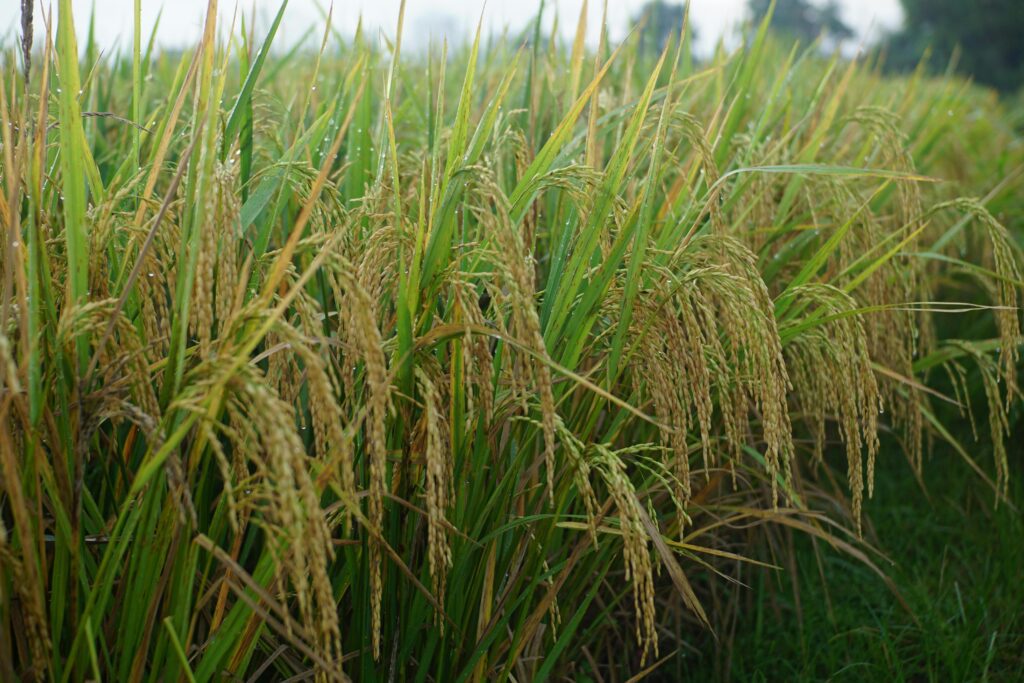
2. Understanding Paddy Crop Basics
Part of the Oryza group, rice mainly comes in two kinds grown around the world.
- Oryza sativa is cultivated throughout Asia, such as in India
- Oryza glaberrima Found Only in Certain African Regions
Most rice grown in India comes from Oryza sativa. How farmers grow paddy depends on things like rain, soil type, and weather patterns
Major rice cultivation systems include:
- Irrigated lowland rice fields
- Rainfed lowland paddy
- Rainfed upland rice
- Deep-water and flood-prone rice systems
Far from uniform, rice areas stretch across India’s east, south, center, coast, and northwest pockets. Rain patterns shift here, soils change there, temperatures swing – so growing methods must match each place. What works near the sea fails inland. Local conditions call the shots
Farmers growing rice face tough seasons when the weather shifts unpredictably. Prices at markets climb once harvests shrink for any reason. Officials watch closely because meals depend on steady yields across continents
3. Ideal Climate for Growing Rice
Rising temperatures bring good growing chances when moisture stays steady through the season. Warmth matters most where rainfall keeps fields soaked regularly
Ideal temperature requirements:
- Germination:20–30°C
- Tillering:25–31°C
- Flowering:22–28°C
- Grain filling:20–25°C
A single grain type might need quite a bit of rain – anywhere from four inches up to nearly eight. Even though this crop enjoys moisture, it cannot handle soggy chaos. When water sits too long, good stuff washes away, roots gasp, and air gets thick with invisible fumes
A sudden heatwave while flowers form can ruin tiny grain parts, hitting harvests hard. That’s when choosing the right planting time plus crop type really matters
4. Soil Needs and Preparing Fields for Rice
Clay loam up to silty clay loam – those that hold water well – are ideal when growing paddy. A solid ability to retain moisture makes them stand out
Ideal soil parameters:
- PH: 5.5–7.5
- High organic matter
- Good puddling capacity
Laying Groundwork for Rice Farming
Fine-tuned groundwork in a paddy sets the pace for how well water spreads, plus keeps unwanted plants at bay
Steps include:
- Initial ploughing after harvest of the previous crop
- Water pooling on the soil slows down how fast it soaks away
- Getting things even so the water spreads the same everywhere
- Bund formation to retain water
Bumpy ground often messes up irrigation flow, while too much water pooling leads to root trouble. Soil checks skipped mean nutrients go unbalanced, hurting harvests later on. Uneven fields slow everything down, making each season harder than it needs to be.
5. Choosing Seeds for Rice Farming
A single choice kicks off every harvest – seed by seed, outcome by outcome. Poor picks here wipe out boosts from nutrients, moisture, irrigation, or bug shields later on.
Trials across farmlands confirm it: one in four extra grains comes down to what’s planted first. That moment – the grab from the sack – shapes how full the barn gets long before sprouts break soil
Most times, it isn’t the soil or rain holding crops back. What really happens? The seed type just doesn’t fit where it’s planted. The wrong crop for that land shows up clearly when harvests fall short. Conditions matter more than most realize.
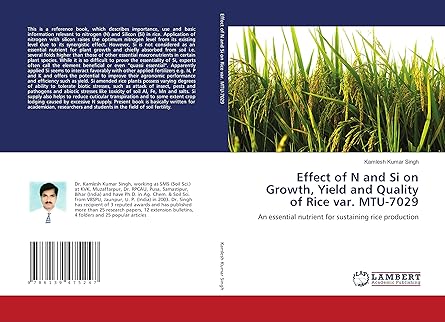
Boost Your Rice Yields: The Science of Nitrogen & Silicon Synergy
Link: https://amzn.to/4bvBnGW
A kind of plant thriving somewhere else may fail here completely. Its location, not effort, sshapesresults year after year
5.1 Right Rice Variety Over Popular Choice
Farmers often pick rice types because someone nearby had good results. Yet performance in one plot says nothing about how it will grow elsewhere. What works there might collapse here without warning.ng
Picking a rice type means looking at several things as one big picture – never piece by piece.
- Agro-climatic zone (rainfall pattern, temperature, humidity)
- Irrigation availability (assured irrigation vs rainfed)
- Soil type (clay, loam, acidic, saline)
- Crop duration (short, medium, or long duration)
- Disease and pest pressure in the region
- Market demand (grain type, aroma, export quality)
A farmer might see strong growth with certain tall rice types where water is plentiful, yet face sharp drops in yield when rains are unreliable – especially as seeds develop. These plants often struggle to stay healthy without steady moisture late in their cycle.
5.2 High-YieldingVarieties Compared to Hybrid Rice: A Closer Look
Some farmers believe hybrid rice brings bigger harvests right away. Truth is, that idea holds only part of the picture.
High-yielding varieties (HYVs) have stable performance, lower seed cost, better grain quality consistency, suitable for most rice cultivation systems. Hybrid rice:ce Higher yield, potent, higher seed cost. Requires precise nutrient and water management. Sometimes the grain isn’t quite what buyers around here want
When farming slips below top-level care, hybrid rice rarely shines. Poorly run plots see little gain from hybrids compared to solid high-yield varieties – yet pay a steeper price. Management gaps wipe out their edge fast
5.3 Certified Seed versus Farm-Saved Seed
Farmers often do their rice farming right .here Certified seed advantages: High germination (≥85%), Uniform seedling growth, known genetic purity,rity Lower disease carryover. Farm-saved seed problems: Mixed varieties Lowervigor Higher disease incidence, Uneven crop stand
Farm-saved seed might seem like a bargain at first glance – yet over time, plants grow thinner, weaker. Each stalk carries less potential, silently cutting harvests for good
Farming rice the right way means using approved seeds. That choice isn’t a cost. It’s protection
5.4 More Seed Doesn’t Always Increase Yield
Mistakes happen often when too many seeds go into rice fields. This one hits farmers hard in the wallet
Recommended seed rate:
Picked rice shows up needing about 8 to 10 kilograms for each acre. That amount spreads across the field after moving young plants into place. Direct-seeded rice (DSR):10–12 kg per acre
Using excess seed leads to:
Weak, elongated seedlings. Higher disease pressure in the nursery Poor tillering in the main rice field
Even when packed ttightly rice doesn’t make up for fewer stems by boosting numbers. Instead, it leans on side shoots to fill gaps – crowding only limits those. Yield hinges on that branching dance, not how many stalks start.
5.5 Seed Treatment Essential for Rice Farming
Failing to treat seeds isn’t old knowledge – it’s a careless choice
A healthy start begins when seeds are treated right – shielding young plants at their weakest moment in rice farming while helping them absorb nutrients better
Chemical Seed Treatment
Carbendazim Thiram Fungal Disease Protection keeps seeds from decaying, protects young plants from disease, and stops them from dying too soon.
Biological Seed Treatment
- Azotobacter /Azospirillum: Improves nitrogen availability.
- PSB Boosts Phosphorus Absorption Mycorrhiza: Strengthens root system
Benefits of seed treatment:
Speed improves when seeds sprout at the same rate. Stronger root establishment in rice fields reduced disease incidence, 5–10% yield increasewithoutadditionalcost

Link: https://amzn.to/45N0mSv
Farming rice without treating seeds begins weak, a setback even rich fertilizers can’t fix down the line.
5.6 Soak Seeds Before Planting to Help Them Sprout
A fresh start begins with sprouted seeds – they catch on quicker, particularly when rice goes straight into the field without transplanting.
Standard practice:
Begin by placing the seed into fresh water. Leave it there, untouched, for one full day. After twenty-four hours have passed, take it out gently. Leave it to sit, then let things grow again for about a day or so. After that finishes, move on to the next step quietly. Wait until the tiny root shows before planting seeds.
Starting strong helps every seed grow at the same pace, so rice gets ahead before weeds can spread.
5.7 Common Seed Selection Mistakes to Avoid
Few realize how often rice farming stumbles at this point
Selecting varieties without considering local climate, using old or uncertified seed, overusing hybrid seed without proper management capacity, skipping over how well plants fight off sickness, skipping seed treatment to save time or money
Wrong moves come not from ignorance but from being too sure, from routine. It’s the comfort of knowing that trips people up, not gaps in their understanding.
6. Nursery Care and Seed Planting Methods
A strong start in paddy farming begins long before fertilizers enter the field. The earliest phase – nursery care and sowing – influences how deep roots grow, how many stems each plant develops, and its ability to crowd out weeds.
Many growers fixate on nutrient blends down the line, yet much of the outcome hinges on those first days. Once fragile young plants emerge, chances to correct course shrink fast. Stunted beginnings lead to thin harvests, without fail
Few realize how often rice crops stumble long before reaching open fields. The trouble begins earlier – hidden in nurseries where young plants first take root
6.1 Nursery Management Decides Crop Success
A rice nursery isn’t something thrown together overnight – it functions like a factory for young plants. Ignore its role, and harvests stay low without exception.on
Ideal Nursery Area Per Acre Main Field
- Required nursery area: 80–100 m²
- Seed rate: 8–10 kg per acre
A bigger nursery space means fewer plants competing for room. When seedlings grow too close, they stretch thin trying to reach the light.
Crowded conditions lead to fragile stems and poor root development. Space allows each plant to build strength steadily. Tight quarters cause long-term weakness even after moving outdoors. ors
6.2 Nursery Site Selection Often Overlooked, Never Cheap
The nursery should be:
- Close to a water source,
- Well-drained but moisture-retentive
- Free from shade.
- Stayed clear of rice nurseries last season due to possible disease leftover
Built on soggy ground, a nursery often fails. Seedlings grow weak, unable to handle being moved
6.3 Nursery Bed Preparation
A good start begins with how the soil is shaped for young plants. What matters most shows up early, when beds take form under steady hands
Steps:
- Fine tillage preparation
- Raised beds (5–10 cm) in heavy soils
- Proper leveling
- Light FYM use, optional yet helpful
Starting wrong in the nursery bed often leads to spotty sprouting. Weak roots take hold when conditions are off. That unseen problem? It quietly slashes harvest results
6.4 Nutrient Management in the Nursery
Here’s when farm folks tend to go too far or fall short – each messes things up.
Recommended practice:
- Apply light compost or FYM before planting.
- A little nitrogen works best – extra causes weak growth. Tall plants need less of it. Strong stems depend on balance. Too much leads to thin, fragile shoots.
- Zinc application if the soil is deficient
Too much fertilizer makes young trees look good at first – yet they struggle once moved. What counts is root strength, not how tall they grow.
6.5 Water Management in the Nursery
- Mist the soil now, then – keep it damp but never soaked till seeds sprout.
- Light irrigation after emergence.
- Avoid standing water.
When nurseries flood, oxygen drops, and roots grow weak. Water suits rice better after it sprouts – not right away.
6.6 Seedling Age Is Fixed
A young plant’s stage of growth shapes how many shoots it develops, which in turn influences harvest results.
- Ideal seedling age: 20–25 days
- Maximum acceptable: 30 days
Over-aged seedlings:
- Tillers poorly
- Establish slowly,
- With fewer crops that will grow each season, and slowly after that. Some loss stays forever when levels drop too low.
Farmers who wait too long before transplanting often start with older seedlings simply because help arrived late – but that shortcut pulls down harvest totals. Starting at thirty-five days might seem fine until the plants struggle later on – timing shapes everything
6.7 Changing How Rice Is Planted
Fresh soil means a fresh start for the young plant. Its roots begin anew, shaken loose from old limits
Seedlings Per Hill Count
Two or three young plants in each mound works best
Using more seedlings per hill:
Increases competition, reduces tillering, and raises disease pressure
Plants sprouting everywhere? That does not mean heavier harvests. Farmers lose 2 to 4 quintals per acre just by believing it does
6.8 Spacing The Hidden Key to Better Yields
Recommended spacing:
A quarter meter by a tenth of that – or maybe just twenty by fifteen centimeters. A quarter meter by a quarter meter works well – think about wider spacing when plants spread more. Size matters if the type grows many stems.
Too little room between plants means leaves crowd together, stems stay thin, and thatch builds up. Spreading them out brings more light into the lower parts, helps stalks grow thick, and heads develop fully.
Crowded plants struggle. Space lets rice thrive, each stem claiming room to grow on its own terms.
6.9 Planting Too Shallow Causes Major Harm
Ideal depth:2–3 cm Deep planting (>5 cm) damages tiller buds
Wrong depth when planting rice seedlings often causes fewer branches to grow on each plant. Those missing stems won’t return later in the season.
6.10 Direct Seeded Rice: What It Actually Is
People talk about DSR like it’s what comes next – though that idea holds only with tight control in place
Advantages of DSR
- Saves labour
- Saves water
- Faster crop establishment
Risks of DSR
- Severe weed pressure
- Higher dependency on herbicides
- Uneven ground slows down rice farming results
DSR works wellonly when:
- Landlevelingis perfect.
- Weed management is proactive.
- Farmers understand timing
Farmers who aren’t careful find DSR causes trouble instead of progress
6.11 Broadcasting versus Line Sowing
Broadcasting leads to an uneven plant population. Seeds placed in straight rows leave room to grow. Weeds find less space when plants stand in clear lines. Nutrient reach goes further with orderly patterns. Spacing gains precision through a measured plant. ing
Far from tossing seeds wherever, today’s rice planting sticks to straight rows or machine-set seedlings
6.12 Common Mistakes When Starting Seeds
Mistakes like these eat into results without warning
- Overcrowded nursery
- Over-aged seedlings
- Deep transplanting
- Too many seedlings per hill
- Poorlevelingof rice field
- Late transplanting
Few realize it, yet these issues aren’t about missing information. What looks like confusion is really just routine falling apart
7. Managing Water in Rice Farming
Paddy Farming often gets called thirsty work. True, rice uses plenty of moisture, yet flooding fields isn’t the way; it’s a waste. Fields drop output and cash less from dry spells than from sloppy watering habits.
Puddles now answer to timers, not tides. Fields drink on schedule, not by default.
7.1 The Real Story Behind How Much Water Rice Fields Need
Floating water isn’t a constant requirement for rice during growth
What rice needs:
- Watered ground when plants first grow.
- Shallow water during vegetative growth.
- Water enough when flowers bloom, also later as seeds grow inside.
- Moisture matters most at these times for good harvests down the road
What rice does not need:
- Deep flooding
- Continuous waterlogging
- Random irrigation
Continuous flooding:
- Reduces root oxygen
- Wastes nutrients (especially nitrogen)
- Increases methane emission,
- Encourages pests likethe planthopper
Flooding repeats, like a rhythm without rules.
7.2 Critical Growth Phases of Water in Rice Farming
Water stress at the wrong time causes irreversible yield loss.
Critical stages (never allow stress here):
- Establishment stage (0–7 days after transplanting)
a. Light water layer helps seedlings recover - Active tillering stage
a. Moist soil + shallow water ensures strong tiller formation - Panicle initiation stage (most critical)
a. Water stress here directly reduces grain number - Flowering stage
a. Even short stress causes spikelet sterility - Milk and dough stage
a. Ensures proper grain filling
Outside these stages, water can be managed more flexibly.
7.3 Water Depth Guidelines for Rice Fields
Ideal water depth is shallow and controlled.
- After transplanting: 2–3 cm
- Tillering stage: 3–5 cm
- Panicle initiation to flowering: 5 cm
- Grain filling: Moist soil, no standing water
- 10–15 days before harvest: Stop irrigation
Deep water (>7–8 cm) is harmful, not beneficial.
7.4 Alternate Wet Dry Cycles in Rice Farming
What once felt uncertain now stands firm. AWD has moved past trial phases long ago. Evidence backs it fully today. This isn’t theory but confirmed understanding. Real results shape its place in practice.ice
How AWD works:
Let water soak into the soil after watering. Wait till the ground feels dry, then watch for thin splits to show up. Water again, just as signs of strain start showing up
Benefits of AWD:
Saves20–30% water. Improves root depth Reduces lodging, and farm output stays steady or gets better
Fear among farmers about AWD isn’t really about danger. It’s rooted in discomfort when routines shift. What feels unfamiliar often seems worse than what’s known. Uncertainty around new methods stirs hesitation. Yet the real hurdle isn’t loss – it’s adjustment.

Link: https://amzn.to/45RIBS1
7.5 Managing Water in Direct Seeded Rice
A firm grip is needed under DSR rules
- Keepthe soil moist during germination.
- Puddles won’t last past three weeks.
- Water stays away during the early stages.
- Water rising soon gives unwanted plants a chance to grow.
In DS, R Poor Water Control Leads to More Weeds
7.6 Drainage Often Overlooked in Water Systems
Floods need exits just as fields need water
Poor drainage causes:
- Root suffocation
- Iron toxicity
- Disease pressure
- Stunted growth
Flooded paddies need a way out when skies pour, else roots drown fast. Water escapes swiftly where the soil slopes just enough after storms hit.
7.7 Water Use Efficiency Compared to Crop Yield Misconception
Many farmers believe:
“More water = more yield”
Reality:
- Excess water reduces tillers
- Washes away nitrogen
- Weakens the root system
Getting extra grain from each sip of water is what smart rice farming does – leaving less mess behind. Not every method works that way, though some still drown fields for little g.ain
7.8 Common Water Management Mistakes
Few realize how quietly errors eat into results
- Continuous deep flooding
- Ignoring critical stages
- No drainage planning
- Late irrigation during flowering
- Flooding DSR Fields Early
A few water issues come from a lack of supply – most stem from poor habits.s
8. Nutrient Management and FullFertilizer Guidee for Growing Rice
Fertilizer in paddy fields isn’t about how much you pour on – it hinges on when, where, and how it’s applied. Rice needs plenty of nutrients, yet responds poorly if they arrive at the wrong time or place. Missing yields usually stem not from too little fertilizer, but from poor choices in using it
Astonishingly, how farmers handle nutrients accounts for nearly half the differences in rice harvests. When it comes to growing paddy, nothing else under human control swings the outcome this much.
8.1 Nutrient Needs for Rice per Acre
Out of every harvest, rice pulls plenty from the earth. When what’s taken isn’t put back properly, the ground grows weaker year by year
Scientifically recommended nutrient requirement per acre:
- Nitrogen (N):45–50 kg
- Phosphorus (P₂O₅):20–24 kg
- Potassium (K₂O):20–24 kg
- Zinc:10 kg
- Sulphur:20 kg
Farmers often follow these numbers on average when growing irrigated rice in decent soil. Skipping a test before applying? Easy. Smart? Not at all
8.2 Common Fertilizers Used in Rice Farming
A. Chemical (Inorganic) Fertilizers
These provide immediate nutrient availability and directly influence yield.
- Urea: Primary nitrogen source for tillering and vegetative growth
- DAP: Supplies phosphorus and starter nitrogen
- SSP: Phosphorus + sulphur source
- MOP: Potassium source
- Micronutrients: Zinc sulphate, boron, magnesium
Chemical fertilizers are powerful tools. Misuse turns them into liabilities.
B. Organic Fertilizers
Farmers see slow results from natural materials – yet over time, the earthstayss balanced.
- Farmyard manure (FYM)
- Vermicompost
- Green manure
- Biofertilizer (Azotobacter, PSB, Mycorrhiza)
Farming rice at scale can’t rely solely on natural compost. Success comes through mixing methods, not sticking to one belief
8.3 Actual Fertilizer Needed Per Acre
A. Urea (Nitrogen Source)
- Ureacontains46% nitrogen
- Required nitrogen ≈ 45–50 kg
Urea required:100–110 kg per acre
Split Application (Non-Negotiable):
A quarter goes into the soil when roots are first placed. That happens right before or while moving plants 25% at active tillering (2025 DAT, 25% at panicle initiation. A quarter of the way through bloom – this happens when the plants need more. Timing shifts if the field’s pulling harder
Pouring on all the urea in a single go doesn’t boost results – it just spills away
B. DAP (Phosphorus Source)
50 kg DAP has 46 percent P₂O₅
DAP required:50 kg per acre
Apply the entire dose asbasalat land preparation or transplanting.
C. MOP (Potassium Source)
- 25–30 kg per acre.
- Take two separate portions, one at the start,t plus another when flowers begin forming.ng
Farms growing rice often hold decent potassium levels. Checking the earth means less money was spent. Ted
D. Zinc Sulphate
- 10–12 kg per acre
Zinc deficiency causes:
- Poor tillering
- Chlorosis
- Reduced grain weight
Farmers often see yields drop by two to four quintals each acre when zinc is left .out
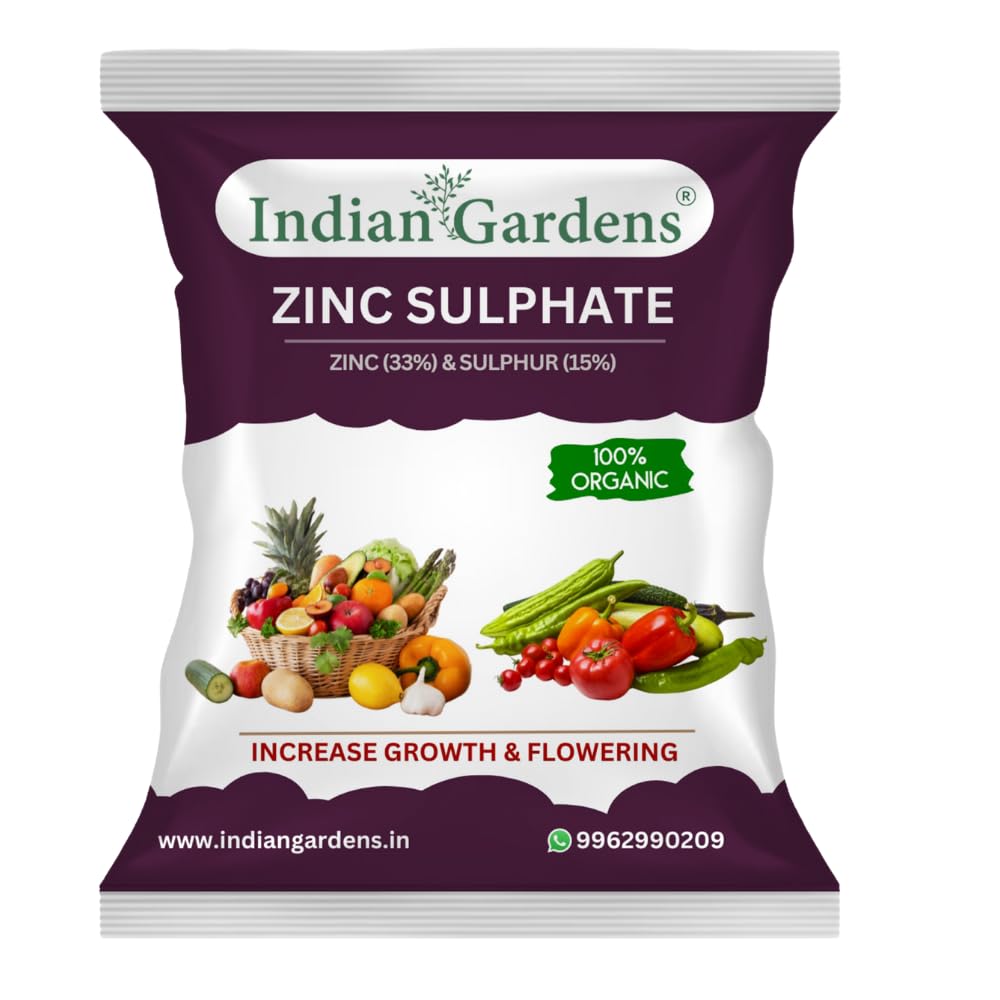
Link : https://amzn.to/3LVBt0d
E. Sulphur
- 20 kg per acre
Available via:
- SSP
- Bentonite sulphur
Protein production gets a boost when sulphur enters the rice field equation. Grain texture changes for the better because of it, too.o
8.4 Optimal Fertilizer Mix for Growing More Rice
Per Acre Proven Formula
- DAP – 50 kg
- Urea – 100–110 kg (split doses)
- MOP – 25–30 kg
- Zinc sulphate – 10 kg
- Sulphur – 20 kg
- FYM – 2 tons
- Biofertilizers for seed/seedling treatment
Farmers see steady results in flooded rice plots where watering lines up with smart we. eding
8.5 Fertilizer Use and Rice Yield
Fertilizer Management Expected Yield
Level (Quintals/Acre)
Poor / Imbalanced 12–15
Recommended dose 18–22
Balanced + Timely 22–26
Precision rice cultivation 25–30
Fertilizer does not create yield — it unlocks genetic potential.
8.6 Organic Fertilizers: What They Really Do
Organic-only rice cultivation sounds noble, buthere’sthe reality:
Few nutrients seep out over time. Early growth suffers. Grain filling is weak.ak Yield drops25–40%
Most Effective Method Per Acre
FYM – 2 tons of worm-made compost weighs in at four hundred to five hundred kilograms. Chemical fertilizers (recommended dose)
Farmers see better dirt quality while still harvesting just as much
8.7 Foliar Nutrition Is Supplemental
Even if leaves get sprayed, it works just fine when the ground below feeds plants right.
Useful foliar sprays:
2% urea at tillering, 1% potassium nitrate at panicle initiation, and zinc sprays in deficient fields
Plants might get a boost from leaf sprays, yet the ground below could still lack what they truly need. Roots dig deep where fixes matter most – surface tricks won’t fix hidden shortages.
8.8 Common Fertilizer Mistakes in Rice Cultivation
Mistakes like these drain funds while shrinking returns
Applying all urea at transplanting, skipping potassium Ignoring zinc deficiency, excess nitrogen causing lodging, and fertilizing without soil testing
Fertilizer mistakes usually come from skipping steps, not missing facts
Final Clear Answer Without Marketing Language
Best Fertilizer Plan for 1 Acre Paddy Cultivation:
- 1 bag DAP (50 kg)
- 100–110 kg urea (split)
- 25–30 kg MOP
- 10 kg zinc sulphate
- 20 kg sulphur
- 2 tons FYM
- Biofertilizer seed/seedling treatment
Expected Yield:
22–30 quintals per acre, depending on water control, weed pressure, and variety.
Organic-only yield:
14–18 quintals per acre (maximum).
9. Weed Control in Rice Farming
Farm invaders steal harvests faster than bugs when left unchecked
Major weeds:
- Echinochloa(swank)
- Cyperus (motha)
- Broadleaf weeds
When weeds go unchecked, harvests may drop by a third or more. The approach that works ties together flooding schedules, plant distance, and careful chemical use – nothing else really holds them back
10. Pest Control in Rice Farming
Major pests include:
Brown planthopper, Stem borer, Leaf folder
Farming without checking pests first wastes money and harms nature. Watching fields closely helps decide when sprays are truly needed. Only treating after limits are crossed keeps chemicals out of balance. Letting helpful insects work reduces reliance on artificial solutions
11. Disease Management in Rice Cultivation
Major diseases:
Rice blast Bacterial leaf blight Sheath blight
Fighting trouble before it starts works better when plants naturally resist disease or seeds get early protection. Spraying after problems show up just does not help much at all
12. Harvesting and Post-Harvest Handling
Out in the fields, when crops come off, matters just as much as how they grow. Timing shapes what buyers will pay later
Ideal harvest indicators:
80–85% grains are mature. Straw turns yellow. Grain moisture: 18–20%
Picking late means grains fall off, hurting quality. Machines help cut waste while speeding things up when growing rice today
13. Yield and Economics in Paddy Farming
Average yield:18–22 quintals per acre. Scientific paddy cultivation:25–30 quintals per acre. What you get out ties directly to how well things are used, not how much is poured in
14. Modern Innovations in Rice Cultivation
Direct-seeded rice, Precision nutrient management, Drone spraying, Digital advisory platforms
Farms run cheaper when machines help out, yet fields stay steady with fewer surprises in harvest.sts
15. Problems Growing Rice
Water scarcity, Rising labor costs, Climate stress, Pest resistance
Stuck in place – that’s where lots of rice growers end up when reality gets overlooked
16. Future of Paddy Cultivation
The future lies in:
Climate-resilient varieties, Water-efficient rice systems, Sustainable nutrient management, Mechanization
Facing market shifts head-on, those who change fast tend to stay afloat.
17. FAQs
1: What is the best time for paddy cultivation in India?
When rain falls matters most for growing paddy, along with access to water through canals or pumps. Sowing young plants in prepared beds often begins between May and June if there is a steady water supply.
Moving them into the main fields happens a month later, around June or July, under managed conditions. Growing rice without irrigation needs perfect timing – seeds go into the soil right when seasonal rains begin.
If planting comes too late, fewer branches form on each plant while high temperatures hit at bloom time. That heat weakens grain development, cutting down how much harvest farmers finally get.
2. What really happens when rice fields drink up water?
Flooded fields aren’t a must for growing paddy. Rice usually uses 1,200–1,500 mm of water per season. Still, methods such as Alternate Wetting and Drying help cut usage by 20–30%. Yields stay steady when water is managed well. What matters most is keeping depth under control – overfilling brings no gain.
3. What nutrient matters most when growing rice?
Most of what shapes harvest size in rice comes down to nitrogen. Yet it does little good unless matched well with phosphorus, potassium, zinc, or sulphur.
Too much nitrogen, especially if potassium or zinc runs low, brings weak stems, more pests, and grains that do not fill right. What makes a paddy field succeed isn’t just urea poured on soil – it’s how nutrients line up together.r
4. Can paddy cultivation be done profitably using only organic fertilizers?
Farming pure organic paddy can work, yet it rarely pays off well for many growers. Yields often drop by 25 to 40 percent because nutrients come too slowly in fully organic setups. A smarter path mixes both methods – organic matter builds better soil while synthetic fertilizers keep harvests steady across seasons.
5. How much rice does one acre usually produce?
Farmers growing rice the usual way often harvest between 18 and 22 quintals each acre. When planting happens at the right time, yields climb – especially if nutrients are adjusted carefully.
Water levels matter too; keeping them steady supports stronger growth. Fields where weeds are kept under check tend to produce more. Under irrigation, careful attention can push output to 25 to 30 quintals per acre
18. Conclusion
Farming rice isn’t about old habits anymore. Decisions shape each step – starting with the seed, ending at storage – in this precise kind of growing. What counts now is understanding, not routine.
Farming paddies can stay among India’s steadiest crop ventures when research-backed methods take root over time.