
Table of Contents
Introduction
Livestock farming has always been the backbone of rural economies, especially in countries where millions of households rely on dairy and cattle-based agriculture.
With the increasing demand for quality milk, strong calves, and breeds that can resist diseases, farmers have become more conscious about scientific cattle management.
Among all the breeds known for their resilience and adaptability, Brahman cows stand out since they are naturally heat-tolerant, have strong immunity, and are able to survive even in harsh climatic environments.
However, proper care and shelter management are still crucial to ensure peak performance and long-term productivity. A well-planned cow shelter directly impacts the health, comfort, reproduction, and milk yield, hence becoming one of the most significant concerns in livestock farming.
Most of the traditional shelters do not meet the requirements of today and thus lead to unnecessary stress, diseases, discomfort, and reduced production.
Today, livestock farming requires a structure that safeguards the animals from the extreme climatic conditions experienced during burning summers, heavy monsoons, and sudden cold spells.
Farmers who are serious about shelter design often reap better results, higher returns, and healthier cows all year round. This blog discusses eleven strong and exclusive techniques for cow shelters that can significantly raise the bar for Brahman cows.
Each of these techniques is discussed with practical insight, real-life examples, and tips such that even a small-scale farmer can find it quite easy to practice.
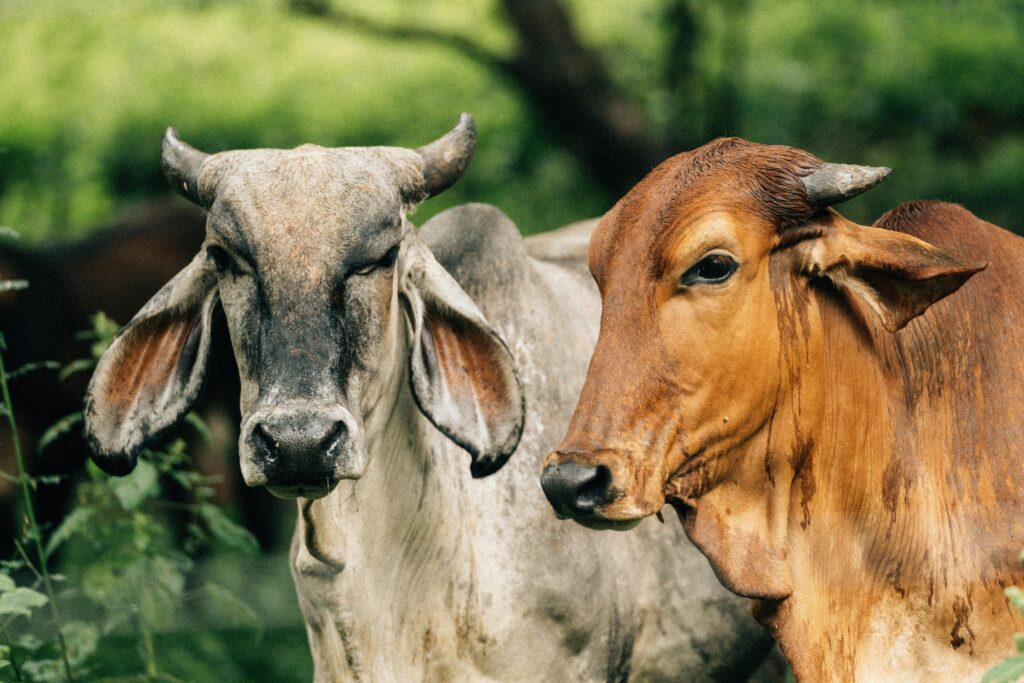
By realizing how proper shelter improves daily operations, farmers can design a modern and sustainable model for livestock farming that serves both animal welfare and financial growth.
Benefits of Proper Cow Shelter in Livestock Farming
Better Health and Hygiene for Brahman Cows
A healthy cow begins with a clean environment. Cleaning a cow shelter is more than just sweeping the floors; it involves removing manure periodically, having dry bedding, disinfecting surfaces, and cleaning feeding equipment.
When Brahman cows are subjected to wet floors or filthy surroundings, injurious microorganisms proliferate and their activities cause infections such as mastitis, diseases of the hooves of cattle, and respiratory ailments.
Such diseases not only lower productivity but also escalate veterinary expenses. A clean shelter acts as a barrier to such problems and maintains injurious pathogens under control. The presence of flies, ticks, and parasites-which are major cattle irritants-is also minimized in clean shelters.
The healthier the surroundings, the less stress the cows feel; thus, their immune systems become stronger too. Farmers who regularly maintain cleanliness observe less illness, faster recovery rates, and better behavior patterns in their cattle-all leading to high returns in livestock farming.
Improved comfort and reduced levels of stress:
Comfort is essential in the livestock industry since stress directly impinges on milk yields, growth rates, and reproductive performances. A well-planned shelter for cows, with proper aeration, soft bedding, and ample space, allows the Brahman cow to rest and move around naturally.
Stress-free cows also continue to be in their natural temperament, eating regularly and sleeping well, and this helps improve their metabolic functions considerably. In extreme climates, shelters act like protective zones where cows can retreat from heat, humidity, cold, or heavy rainfall.
If cows do not have adequate shelter, they waste a lot of energy trying to adapt to extremes of weather. This loss of energy affects their milk production, gain in weight, and overall health.
If a shelter is constructed to support natural body rhythms-providing shade during the day, warmth during winter nights, and protection during monsoons-the cattle will remain productive and energetic. Thus, comfort is highly important for long-term sustainability in livestock farming.
Improved Milk Production and Growth
Comfort and hygiene in the living environment are directly related to milk production. Brahman cows habituated to a comfortable and hygienic living environment rarely experience any stress-related issues that would affect milk yield.
A controlled shelter environment stabilizes feeding patterns, regulates hydration, and allows cows to maintain consistent body temperature-all of which are important for efficient milk production.
Shelters protecting cows from heat stress also protect their digestion, since cows have a tendency to reduce feed intake during high temperatures. Regular feeding and comfortable resting areas also enhance rumination cycles, leading to better nutrient absorption and increased milk output.
Furthermore, calves born in well-maintained shelters have stronger immunity and grow faster, reducing mortality rates. Farmers upgrading their cow shelters consistently report improved quality of milk, stronger reproductive cycles, and better growth performance of the entire herd.
Improved Feeding Efficiency and Access to Clean Water
One of the most underrated features of a good cow shelter is organized feeding and water management. If the feeding areas are organized, then the cows develop regular eating habits that improve digestion, allowing them to absorb as many nutrients as possible from what they eat.
The elevation of troughs prevents contamination by manure or urine. In addition, water is a very significant aspect in keeping livestock because it constitutes a majority of the animal’s body functions related to digestion, milk formation, and regulation of body temperature.
Automatic watering systems or large troughs ensure a continuous water supply. Brahman cows, while heat-resistant, need ample drinking water to maintain normal levels of hydration.
When feeding and water mechanisms are efficient, farmers register lower wastage and reduced feeding costs, with healthier cows. Over time, this can be translated into better production rates and better profitability of the farm.

11 Powerful & Exclusive Cow Shelter Techniques
1. Climate-Resilient Shelter Design
A climate-resilient shelter is the base of successful livestock farming because it guards Brahman cows against seasonal changes, extreme heat, and unpredictable weather.
A shelter should be strategically positioned in an east–west direction to avoid direct sunlight as much as possible, which is effective for keeping the interior cool during the whole day.
Using roofing materials resistant to heat-e.g., thatched bamboo roofing, coated tiles, insulated metal sheets, or FRP sheets-dramatically reduces heat accumulation. Sidewalls open to cross-ventilation let fresh air in, which removes moisture, odors, and heat.
Farmers in hot regions can add overhanging roofs to create open-air space where cows can comfortably stand when temperatures go high. Gutter facilities will help to drain rainwater away from the shelter during monsoons and prevent waterlogging.
Windbreak panels are helpful in cold areas and reduce convective heat loss. A well-designed climate-resilient shelter ensures comfort throughout the year, drastically improving the health and productivity of Brahman cows.
2. Durable Flooring with Proper Drainage
Flooring is one of the most important aspects of animal comfort, hygiene, and safety. A durable floor should be resistant to the constant movement of cows and be easy to clean for farmers. Most modern cow shelters have non-slip concrete floors with a slope of 2–3% for natural water draining.
The water will not stagnate, which may cause bacterial growth and foul smell. This is laid over with rubber mats or paddy straw, thus cushioning the floor and minimizing the chances of joint pain while resting Brahman cows.
There should also be a proper drainage channel along the sides so that urine and wash-water come out quickly and the floor dries up. In many farms, slatted floors are also used to separate manure from the resting surface.
By designing flooring with the comfort and hygiene of cows in mind, farmers can have fewer foot infections, reduced injuries, and easier daily maintenance.
3. Automatic Watering Systems
Water plays a very important role in digestion, milk production, and controlling the temperature of Brahman cows. Automatic watering systems ensure that the cows receive clean drinking water constantly without the need for manual refilling.
Systems used include float-valve water bowls or large automatic troughs. These ensure minimum water wastage and dirt accumulation; thus, most are useful during summer when cows need more water.
In larger farms, pipeline-connected watering points placed at intervals ensure that all cows can drink with no crowding. Some even use solar-powered water pumps to maintain eco-friendly and cost-effective operations.
Clean water directly leads to better milk yields, better digestion, and general health of the herd, making automated systems a worthy investment in livestock farming.
4. Shade Nets and Cooling Systems
Heat stress remains one of the biggest challenges in livestock farming, especially among Brahman cows kept in tropical regions. Shade nets installed with 50–75% UV protection help reduce direct sunlight to a minimum.
If the shelter is equipped with roof insulation, fans, fogging systems, or mist sprayers, the internal temperature will remain within a comfortable zone even during extreme summer heat.
Such cooling installations reduce respiratory stress, prevent dehydration, and encourage regular feeding, thus allowing for better digestion and greater milk production.
Many modern dairy farms adopt foggers or sprinklers to cool the ambient air naturally during midday hours. These cooling installations will keep cows comfortable and productive for the whole year.
5. Separate Zones for Different Groups
A well-planned cow barn segregates the animals according to their age, health, and reproductive stage. Calves need a clean, warm area with soft bedding. Pregnant cows must be placed in isolation pens for safe delivery, whereas diseased cows are kept in separate recovery units to avoid the spread of infection.
Lactating cows should have easy access to milking areas. Segregation of cows enhances their feeding efficiency, minimizes bullying, and allows caregivers to target the specific needs of each particular group. This system makes daily operations easier and enhances overall farm productivity.
6. Material for Bedding
Soft, dry bedding is a prerequisite for resting comfort. Cows spend about half of their day in a recumbent position, and poor bedding can provide a source of joint pain, injury, or even infection. Straw, sawdust, sand, or rubber mats are options for bedding.
All have advantages-straw provides some warmth, sawdust absorbs moisture, and rubber mats are cushioned. Bedding replacement on a regular schedule keeps the area clean and results in improved cow comfort and reduced disease risks.

7. Efficient Designs of Feeding Troughs
Feeding troughs should be elevated to prevent contamination and designed such that all cows have equal access. Brahman cows are docile animals; they might, however, compete during eating if space is limited.
Well-designed troughs promote order while eating, enhance digestion, and minimize wastage. Materials to be used include reinforced plastic or concrete for durability. Partitioning between eating spots controls aggressive behavior among cows.
8. Natural Lighting for Better Health
Sunlight acts as a natural disinfectant, regulating bacteria and parasites inside the shelters. Cow shelters built with skylights, translucent roofing sheets, or open sidewalls can maximize natural light. Sunlight also leads to the synthesis of vitamin D, which is important for strong bones and immunity.
Natural lighting reduces electricity costs and improves overall shelter energy efficiency.
9. Regular Disinfection and Waste Management
Cleaning alone is not sufficient; disinfection should be carried out properly. Eco-friendly disinfectants, bleaching powder, lime, or herbal solutions help in containing the spread of diseases. Manure pits or composting systems are used for handling waste responsibly, reducing odor and insects.
This efficient method of waste management results in better environmental sustainability and useful organic fertilizer for farming.
10. Improvement of Airflow and Ventilation Systems
Good ventilation helps to avoid respiratory problems, reduces humidity, and removes harmful gases such as ammonia. Open walls, ridge vents, and cross-ventilation provide natural airways at minimal expense.
In larger operations, fans or other exhaust systems can be installed to improve airflow. Brahman cattle do very well in fresh-air houses, having improved appetite and energy.
11. Effective Fencing and Safety Measures
Cows are safeguarded by strong fencing from predators, theft, or accidents. Barbed wire, wooden fences, or solar-powered electric fences can be used depending on the location of the farm. The design of gates and pathways should allow easy access to the cattle for feeding, cleaning, or milking purposes.
Safety measures reduce injuries, improving daily management efficiency.

Challenges in Livestock Farming and Cow Shelter Management
Despite all the benefits arising from appropriate cow shelters, there are a lot of challenges that farmers face in improving productivity, cow health, and efficiency in cattle farming. Understanding the challenges is important in finding effective solutions to improve Brahman cow care.
Climate-Related Challenges
Extreme weather conditions are considered one of the main challenges in livestock farming. During summer, the scorching temperature causes heat stress among Brahman cows and results in reduced milk yield, lower feed consumption, and a reduction in growth rate.
In addition to this, heavy rainfall and improper drainage lead to waterlogged shelters, thus facilitating the growth of pathogenic bacteria and increasing the incidence of foot infections. Cold waves make the animals susceptible to lower immunity and respiratory problems.
Farmers not using climate-fitted shelters contribute to higher morbidity and reduced productivity. The need for proper ventilation, insulated roofs, and control over temperature makes it vital to construct shelter facilities in order to minimize the effects of extreme weather conditions on Brahman cows.
Increasing Operating Costs
Some of the challenges that face livestock farming include the increased cost of feed, water, bedding materials, and labor. Feed is one of the highest repetitive costs, and any wastage will directly affect a farm’s profitability.
Bedding replacement, disinfection chemicals, and energy used for lighting or cooling systems add to the extra costs. Most farmers find it challenging to strike a balance between profits and offering good quality to the Brahman cows.
If one is not keen on planning and managing resources, operational costs may outweigh profits, leading to sustainability issues. Reduction in such costs can be achieved by strategies such as fodder cultivation, manure recycling, and energy-efficient systems with no compromise on welfare parameters.
Herd Management Difficulties
Another key challenge is managing large herds of cattle. Overcrowding can make cows aggressive, competing for feeds and leading to stress health problems. Lack of proper segregation for calves, pregnant cows, and sick cows makes monitoring individual animal health difficult.
Poor herd management often leads to reduced milk production, higher susceptibility to infections, and slower growth. Organized systems are needed in livestock farming concerning feeding, milking, and medical care in order for Brahman cows to remain healthy and productive.
With no careful planning, even the most resilient breeds will face performance declines due to undue stress and mismanagement.
Limited Veterinary Access
Most of the rural farms do not have easy access to quality veterinary services. Delays in treatment or lack of prevention thus translate into unabated infection, poor recovery, and even loss of animals. Brahman cows, although resistant, are not totally immune to mastitis, parasitic infections, or reproductive disorders.
For sustainable livestock farming, the animals need periodic health checkups, vaccinations, and parasite controls. Inaccessibility to veterinarians leaves farmers either using outdated practices for treatment or attempting self-medication, which may often be unsatisfactory.
Access to trained veterinary professionals along with mobile health camps and government programs on livestock will greatly enhance herd health and overall productivity.
Water Scarcity and Management Issues
Water is the most critical element in livestock farming, and its shortage or low quality seriously upsets the health of cows. Brahman cows need ample pure drinking water for digestion and lactation processes, as well as maintenance of body temperature.
Poor quality or inadequate water may cause dehydration, low milk yield, and gastrointestinal upsets. Moreover, poor management of water at cow shelters often develops muddy and low-lying areas with stagnation that enhance infection risks.
Farmers have to develop efficient systems for the storage, purification, and distribution of water to maintain healthy levels of hydration, proper hygiene, and support regular production.

Solutions for Effective Livestock Farming & Cow Shelter Management
Practical and sustainable solutions can be used to address these challenges and assist farmers in maximizing shelter efficiency, comfort for cows, and overall productivity.
Climate-Resilient Shelter Improvements
In addition, the cows can be protected against heat stress, humidity, and cold conditions by using insulated roofs, shade nets, and ventilation systems. For flexibility of airflow in different seasons, the modification can incorporate adjustable side curtains or bamboo panels.
The changes reduce the environmental stress and increase animal comfort with a rise in milk yield. Strategically locating the shelters with an east–west orientation minimizes direct exposure to the sun while ensuring maximum natural ventilation, guaranteeing an ideal setting for healthy, non-stressed cows.
Efficient Feeding and Resource Management
Strategic practices reduce feed costs and enhance nutrition among farmers. Growing green fodder on-premise minimizes reliance on purchased feeds, while composting cow dung ensures organic fertilizer for crops, circulating farming methods.
Bulk purchase of concentrates and use of local feed ingredients, along with scheduled feeding plans, enhance resource optimization. Also, a well-balanced diet rich in proteins, minerals, and vitamins strengthens immunity, growth, and milk output in Brahman cows, supporting long-term sustainability.
Organized Herd Management
Separating cows according to age, pregnancy, and lactation status simplifies daily operations. Distinct zones should be assigned for calves, ill cows, and lactating cows in the shelter. Identification processes, such as ear tagging or RFID tags, enable accurate monitoring of health, breeding cycles, and productivity.
Well-planned herd management helps the cows avoid stress, injury, and guarantees proper care for every individual animal. If all these techniques are combined with effective feeding and watering systems, the outcome in livestock farming will be significantly improved.
Improved Veterinary Access and Preventive Care
Farmers can collaborate with local veterinary clinics, participate in health camps organized by the government, and have a regular vaccination schedule. Isolation pens at the shelter keep the infected cow away from the healthy animals.
Hygiene practices like disinfecting the floors, cleaning the feeding troughs, and effective waste control prohibit the infection to spread. Continuous monitoring by veterinarians keeps the Brahmans healthy, improves reproductive performance, and reduces mortality rates.
This makes preventive care an integral part of raising livestock.
Sustainable Water Management Practices
Rainwater harvesting, overhead tanks, and automated waterers ensure a continuous supply of fresh water. Proper drainage avoids waterlogging and reduces the chances of infection. Regular cleaning of water troughs and pipelines averts bacterial infection.
With better ways of managing water, farmers are able to keep healthy levels of hydration, improve the quality and quantity of milk, and provide a cleaner cow shelter area.
Sustainable use of water further cuts reliance on this valuable yet scarce resource, thus contributing to a more environmentally friendly farm atmosphere.
Frequently Asked Questions (FAQs)
1. What is the most crucial element in rearing livestock that Brahman cows depend on?
The most important thing is a clean, spacious, well-ventilated cow shelter. The comfort, stress level, efficiency of feeding, and productivity are directly related to it. Even the hardy Brahman cows will perform better if the shelter maintains hygiene, proper bedding, and fresh air circulation.
2. How do I improve the hygiene of my cow shelter?
Regular manure removal and disinfection of the floors, changing bedding, and proper cleaning of the feeding and water troughs are some of the necessary maintenance activities to be able to provide a healthy environment. Good ventilation with dry floors minimizes bacterial growth. Consistent hygiene reduces disease risk, improves comfort, and supports higher milk production.
3. Why are Brahman cows preferred in livestock farming?
Brahman cattle are heat-tolerant, disease-resistant, and very adaptive. They can survive under harsh weather conditions, require relatively less feed, and produce high-quality milk. Their calm temperament and hardiness make them ideal for both small-scale and commercial farms.
4. How can farmers reduce heat stress in Brahman cows?
Farmers can install shade nets, fans, misting systems, and ventilated roofs. Providing plenty of water and changing feeding times to cooler parts of the day further reduces heat stress, keeping cows productive and healthy.
5. What are the best practices for feeding Brahman cows?
A diet comprising a proper quantity of green fodder, dry fodder, and mineral and vitamin-rich concentrates must be provided. Feeding should be done at fixed times; water should be clean and available at all times; contaminated feed should be avoided. This further leads to better digestion, higher yield of milk, as well as overall health in livestock farming.
Conclusion
Livestock farming is a rewarding but demanding venture that calls for careful planning, dedication, and attention to animal welfare. The shelter is not just a structure; it is the heart of farm management.
A well-designed cow shelter shields Brahman cows from extreme weather, limits disease risk, keeps them comfortable, and enhances productivity on a better note.
By employing these 11 powerful and exclusive techniques discussed in the blog, farmers can boost the production of milk, the reproductive performances of the animals, and the herd’s health, besides saving much labor and veterinary expenses.
From climate-resilient designs and hygienic bedding to organized feeding, efficient water systems, and preventive veterinary care, all aspects of shelter management play a role in ensuring long-term success within livestock farming.
Farmers who invest in proper shelter design and modern management practices witness tangible improvements in herd performance and profitability. The time is now to take action. Observe your present cow shelter, find the gaps, and slowly adapt these methods.
Focus on the comfort, hygiene, and nutrition of Brahman cows, and your livestock farming will emerge as a remunerative, prolific, and eco-friendly venture. You will attain the dual goal of animal welfare with an expanding farm.