
Table of Contents
Introduction
Farming now leans more on clever choices than sheer effort alone. Whether running a large operation or tending a modest backyard patch, success can hinge on what tools and equipment sit in your shed. A solid season might depend less on luck, more on which instruments help shape the soil.
Back then, farming followed gut feelings and old ways. These days, tech opens new doors. With proper gear in hand, work gets easier while costs drop along the way. Better harvests come through smart tool choices – those crops often fetch better value when sold.
Right where you need to be, if new farm tools sit on your mind. This piece walks through five must-have items, each one built for today’s farming grind.
Fancy toys these are not – think hardworking gear earning its keep over time. Each picks up weight when work piles high. Tools like these? They stick around long after the first season ends.
Finding what works takes time – here’s what stood out lately. Tools show up differently once you start using them on actual land.
Modern Instruments Used in Agriculture
Take a moment to consider what drives your choices in farming today. Picture how weather patterns shift without warning, catching even seasoned growers off guard. Notice the ground beneath crops – its strength rises and falls like waves across months.
Think about shoppers now expecting better harvests each year, regardless of conditions outside. These forces shape the tools farmers reach for before planting begins.
1. Precision Means Profit
Guessing watering times or fertilizer amounts the old way usually ends in wasted resources. Tools today show clear measurements instead of guesses. Soil pH levels become obvious. Grain moisture hits a precise number. Uncertainty fades once facts replace hunches. Less gets tossed out. More stays in your pocket.
2. Protecting Your Crop
Fresh leaves stand taller when they’re not under pressure. Because roots get checked regularly, bugs stay away more easily. When stems grow thick, sprays become rare – just nature doing its job.
3. Better Quality Products
When the sun sets, you’re still just moving goods. Corn, wheat, fruit, or greens – no matter the type, people expect freshness.
Tools such as refractometers, mentioned later, check sugar levels so flavor stays strong, and shelf life extends. Crops that deliver on taste and durability keep buyers returning when planting season rolls around again.
5 Common Tools Found on Farms
A solid pick means less hassle down the road. Toughness matters just as much as hitting the right mark every time. Smooth handling makes a difference when things get busy. Each one here stood out after close checks. Picking these five came from watching how they work in real situations.
1. The Digital Soil pH and Moisture Meter (4-in-1 Tool)
A good farm begins beneath the surface, where it all takes root. When acidity climbs too high or drops too low, crops struggle to take in what they need – even with extra feeding. This tool steps forward first because reading the earth comes before growing anything.
What is it?
This tool fits right in your hand. Stick it straight into the soil. Right away, it shows how acidic the dirt is – no waiting. Moisture levels come up just as fast. You also get the current temperature reading. Sunlight strength appears too, clear and direct. Each detail pops up without extra steps.
Why You Need It
Picture making dinner blindfolded. Like that feels strange, growing crops without checking the ground seems odd too. Water runs down the surface – does it soak deep enough, though? Lime goes into the dirt – is there even a reason for it today? A small device clears up the guesswork here.
Key Features:
- Numbers show up clearly on the screen, especially when outdoors under strong light.
- Powered by sunlight or basic mechanics, some versions work without any batteries at all. Always prepared, they skip the need for power sources entirely.
- A probe that goes way down, past the top layer, reaching where roots live. Instead of staying shallow, it dives far below, touching deeper soil zones others miss.
Pros:
- Very affordable.
- Keeps soil from getting too wet – something people often do by accident.
- Money stays in your pocket because less fertilizer is needed.
Cons:
- A bit of care keeps things right – clean the probe each time it’s used. Afterward, precision stays on track. Every single use ends with a quick wipe. This step matters most when results count. Done properly, mistakes fade away.
- Fails to perform effectively when the ground is full of rocks.
Our Verdict:
This tool makes sense right away when you see what it costs. Anyone starting, or those who have been doing this work for years will find it useful because it works well. What matters most shows up in how easily it fits into daily tasks.
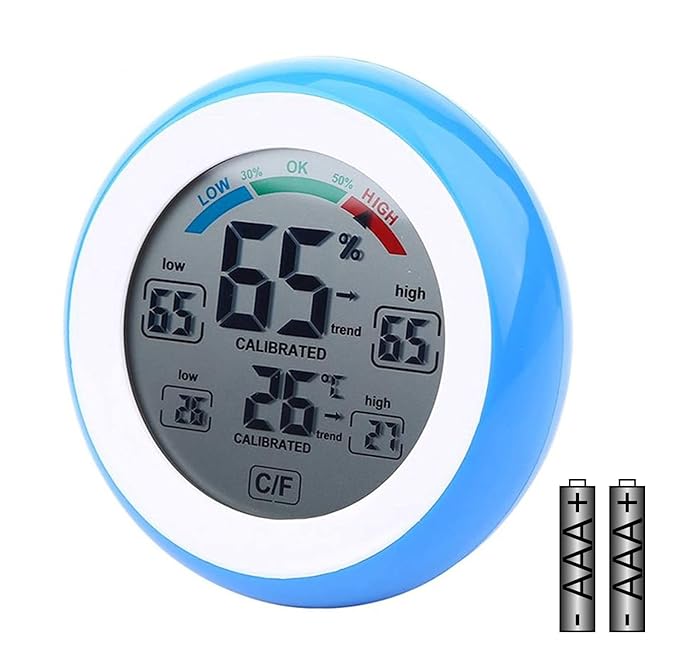
Check Current Prices for Digital Soil Meters: https://amzn.to/4acX4cp
2. Handheld Grain Moisture Tester
When harvest comes, everything matters most. Still, picking crops isn’t enough – what follows counts just as much. Grains like wheat, corn, rice, and barley must go into storage correctly. Too damp, they’ll spoil fast. On the flip side, if dried out completely, profit slips away.
What is it?
A small handheld tool shaped like a cup. Fill it with some grain, close the top securely – then wait for the number to show on screen. The display tells how much water sits within each piece. Just grab, seal, check.
Why You Need It
A single ruined crop can wreck a season. This tool guards each batch from damp decay. Knowing just when to pull the harvest rests on its readings. Wait too long, and it spoils. Act too soon, profit drains. The moment kernels reach safe dryness? That is when it speaks up. Stored grain stays sound only if checked first.
Key Features:
- Multi-Grain Calibration: Good models come with settings for 20+ different types of crops (corn, wheat, paddy, soy, etc.).
- Automatic Temperature Compensation: It adjusts the reading based on how hot or cold the grain is, ensuring accuracy.
- Portable: Fits in your pocket or truck glovebox.
Pros:
- Fewer crops vanish when mold tries to take hold.
- Skipping the shrinkage fees when it is time to sell. One less thing taking a bite out of your return.
- Built tough, ready for harsh conditions out in the wild. Field-tested strength stands up to constant wear without slowing down.
Cons:
- A few dollars higher in price when compared to soil testers.
- Requires batteries.
Our Verdict:
Besides growing grains, skipping this isn’t an option. One saved sack – kept from rot – is all it takes to cover the cost.
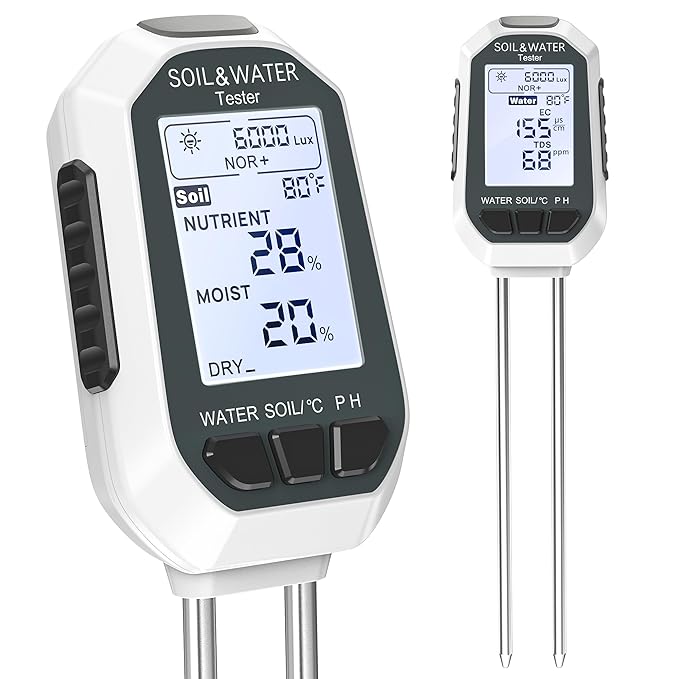
Best Grain Moisture Testers: https://amzn.to/4rE4619
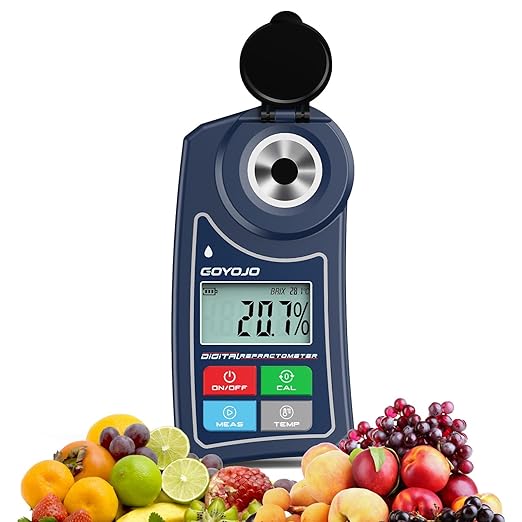
3. Digital Refractometer Brix Meter
Brix levels decide how sweet a fruit feels on your tongue – some burst with flavor, others barely register. Farmers who grow top-quality produce often rely on one specific tool. That device? Not magic, just precise measurement guiding their choices.
What is it?
A tiny bit of juice goes on the clear surface when you press into it. Light shifts as it passes through that splash, changing based onthe sweetness inside. The device catches how much that shift happens every time. The result shows up as a number linked to sugar strength right away.
Why You Need It
Here’s one way to show your farm goods stand out. Sugar content, measured as Brix, often points to richer nutrients along with tastier results. When you’re at a local market, letting buyers see your strawberries hit 12 on the Brix scale – versus store-bought ones stuck at 7 – makes a real impression.
Key Features:
- Ready in under three seconds flat. That’s how fast it works now.
- Rinse it right under the faucet – no worries there. It shrugs off water like morning dew off a leaf.
- Fits right in your hand, about as big as a fat highlighter. Not much bulk to it at all.
Pros:
- Directly correlates to the taste and quality of your produce.
- Helps you determine the perfect picking time for maximum sweetness.
- Great for fruits, vegetables, and even checking cattle colostrum quality.
Cons:
- A digital setup costs more compared to a basic peephole model.
- Now and then, it requires a splash of purified water to reset its settings.
Our Verdict:
Freshness shows when crops meet top marks – this device checks every detail. What matters most gets measured here instead.
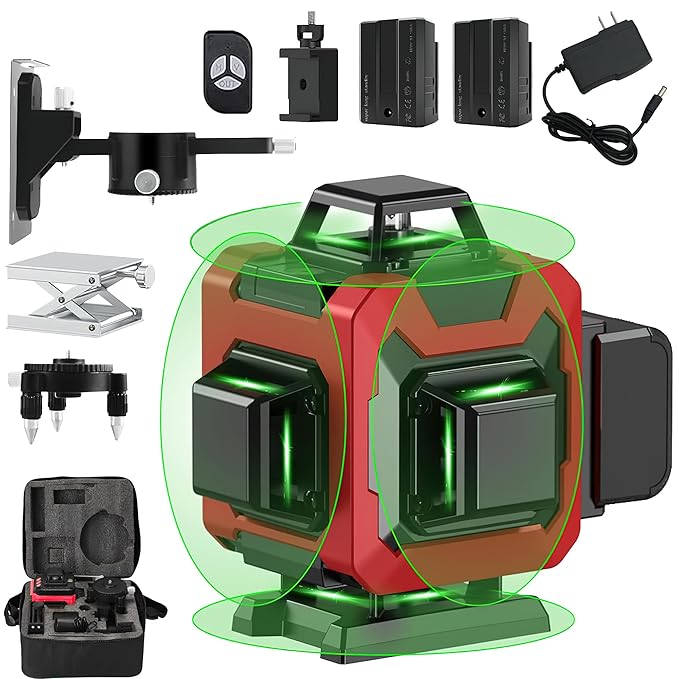
Top Rated Digital Refractometers: https://amzn.to/4kpaG9g
4. Portable weather station with wind and rain gauge
Out there, rain might miss your fields even when the app says it poured. A machine far off gathers numbers, yet what happens near your barn could surprise you.
Sure, skies above someone else’s land shape the report you see. Still, the soil under your fence reacts in its own way. Even if clouds behave in one place, they play differently in another.
What is it?
Out in your field, a compact setup tracks how fast the wind moves, records every drop of rain, checks air warmth, while also noting moisture levels – all built to travel or stay fixed in place.
Why You Need It
Wind that blows too hard carries sprays off target, making the effort pointless. When that happens, what you spread might land where it should not, possibly breaking rules.
Instead of guessing, checkingrealtime breeze strength keeps things under control. Rainfall measured correctly means no confusion about whether watering machines stay off or get used. Decisions become clear when numbers replace assumptions.
Key Features:
- Wireless Connectivity: Sends data to a display console in your house.
- Rain Gauge: Tips to count precise millimeters of rainfall.
- Beside the pole, cups turn when air moves past. Speed shows how fast the wind travels through them.
Pros:
- Hyper-local data specifically for your land.
- Fewer chemicals stray off target – cuts costs while dodging fines. That kind of mistake fades when control stays tight.
- Helps in irrigation planning.
Cons:
- Pole mounting is needed before it works. Once secured upright, the setup is complete.
- Patches of dust might slow it down. Wipe them off now and then. A quick wipe keeps things running true when grime builds up between checks.
Our Verdict:
This tool belongs in every farmer’s kit if they rely on sprayers or irrigation. Think of it as the lookout perched high above your fields.
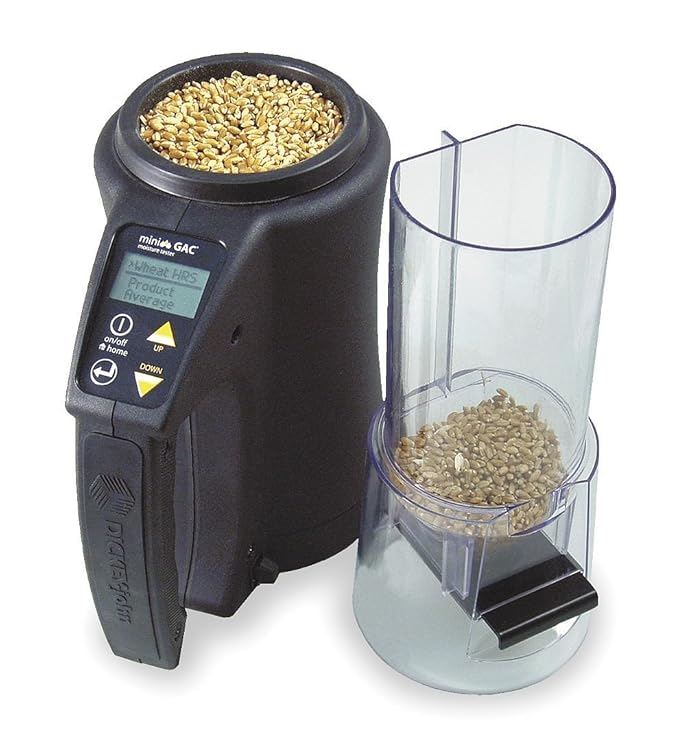
Best Home and Farm Weather Stations: https://amzn.to/4r0qpxP
5. Laser Land Leveler Receiver or GPS Field Meter
Lately, too little water flows where it needs to go. Where the ground dips, puddles form – some crops get soaked while others thirst on higher bits of soil. When the surface flattens out, moisture spreads right. That kind of balance helps grow things better.
What is it?
A big laser level setup takes up serious space, yet the receiver alone fits in your hand – just like some portable GPS tools that measure land. Out on the farm, gadgets such as these draw maps of your plot while nailing down precise size, also pointing out where the ground rises or dips.
Why You Need It
When hiring someone to harvest or plow, payment often depends on field size. Ever wondered just how big your land really is? With a GPS tool that measures space, the true number appears instantly – no guesswork needed.
That precise figure keeps costs under control during billing. Knowing the measurement down to the foot changes how much seed gets ordered – it matches what the soil actually needs. Fertilizer amounts adjust too, based on real data instead of estimates.
Key Features:
- Fine details come through clearly when space signals track ground changes instead of rough estimates. A clear picture builds slowly as orbiting tools record shifts below.
- Start moving along the edge of your land – watch how it tracks space without effort. The tool measures as you go, step by step, turning motion into numbers quietly. No buttons, no stops, just steady progress marking boundaries. It knows where you’ve been, building results while you walk.
- Built tough. Stands up to rain, shrugs off dirt.
Pros:
- Puts a limit on how many bags of seed or fertilizer you can pick up. Keeps things from piling past what’s needed.
- Verify contractor charges.
- Fence routes take shape before the ground gets touched. Irrigation paths follow close behind, mapped with care.
Cons:
- Pricier when you go for top-tier versions.
- Facing open air above works best – branches block it. Sky must show through without treetop crowding.
- Heavy canopy gets in the way. Needs space where clouds pass freely. Overhead leaves cause trouble.
Our Verdict:
- Farming smarter begins with knowing exactly what ground counts. Every dollar goes toward the soil you work, nothing more.
- GPS Land Area Meters
Laser Land Leveler Receiver or GPS Field Meter: https://amzn.to/4knydaG
Maintaining Farm Equipment
Buying these tools is the first step. Keeping them working is the second. Since these are precision instruments, they need a little more care than a shovel or a plow.
Store in a Dry Place: Electronics and humidity do not mix. Keep these tools in a dry workshop or a plastic storage bin when not in use.
Clean After Every Use: Soil is corrosive. Sap from plants is sticky. Always wipe down probes (especially pH meters and refractometers) with a soft, damp cloth immediately after use.
Remove Batteries for Storage: If you are putting your grain moisture tester away for the winter, take the batteries out. Leaking batteries can ruin a perfectly good $200 device.
Calibrate Regularly: Instruments can “drift” over time. Check your weather station against a local report, or test your pH meter in a solution of known pH (often included in the kit) to ensure it is still reading correctly.
Frequently Asked Questions (FAQ)
Q: How often do I need to calibrate these instruments?
For the best accuracy, it is good practice to check them before the start of every season. Tools like the digital refractometer and pH meter may need a quick calibration (using distilled water or a buffer solution) once a month if you are using them daily. It takes only a minute but ensures your data is perfect.
Q: Are these electronic instruments waterproof?
Most modern farm equipment is designed to be “weather-resistant” or “splash-proof” because manufacturers know it is used outdoors.
However, unless the manual specifically says “waterproof,” you should not submerge the main body of the device in water. The probes (the parts that go into the soil or grain) are fully waterproof.
Q: Will the grain moisture tester work for any type of crop?
High-quality testers usually come with pre-programmed settings for 20 to 40 different grains, including common ones like corn, wheat, rice, barley, and soybeans. If you are growing a very rare or specific niche crop, check the product description to make sure it is on the list before buying.
Q: Is the soil pH meter difficult to use for a beginner?
Not at all. The digital models we recommend are designed for simplicity. You generally just turn it on, insert the probe into the soil, and wait a few seconds for the number to stabilize on the screen. No chemistry degree or complex charts are needed.
Q: How do I know if a refractometer (Brix meter) is worth buying?
If you sell your produce directly to customers (at a market or farm stand), a refractometer is your best marketing tool. Being able to prove your apples are sweeter or your tomatoes have more nutrients than the competition allows you to charge premium prices. It pays for itself very quickly.
Q: Do these instruments require special batteries?
Most handheld instruments used in agriculture run on standard AA, AAA, or 9V batteries that you can buy anywhere. Some soil testers even run on solar power or the chemical reaction in the soil itself, requiring no batteries at all. We always recommend keeping a spare set of batteries in your truck just in case.
Conclusion: Investing in Your Harvest
Start small, think big. Each seed matters just as much as each splash of water, while grain moisture plays its part, too. Own the details by using five solid tools found on modern farms. Control grows when precision leads.
Now it is not about wishing anymore. Shaping the outcome becomes your focus instead. Expectations shift when effort takes the lead.
A farmer who checks the ground with a tool sees what eyes miss. One gadgetdetects moistures in corn before trouble arises. Sugar levels in fruit? A small device catches that fast. When storms loom, updates come early thanks to outdoor sensors.
Moving across fields, location sticks true with signal help. Each piece costs money at first. Yet each returns more over time through smarter choices. Less spray gets used where it is not needed. Crops stay healthy when watched closely. Buyers pay extra for quality proven by numbers.
Farming works better when you’re ready before trouble shows up. Begin now with the right tools, so effort follows sense.
Thinking about new gear for your fields? Check out what’s listed up top to find today’s rates and special offers on must-have machinery.