
Author’s Note: I don’t operate a cow-calf operation, and this article does not claim firsthand production experience. It is based on USDA Economic Research Service data and on-the-record analysis from extension economists and industry sources tracking the current cattle cycle. The goal is to bring that research together in one practical reference for producers evaluating herd-rebuilding decisions.
Table of Contents
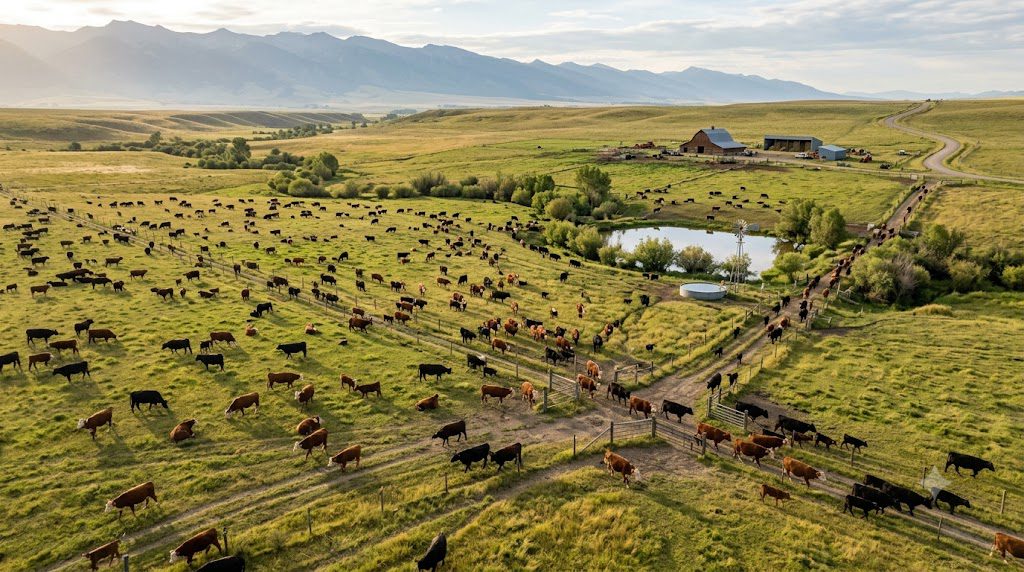
Beef cattle herd rebuilding has been the most anticipated turning point in U.S. cattle markets for the better part of three years, and 2026 is the third consecutive year it hasn’t actually arrived. The national herd is still near a multi-decade low, prices are historically strong even as they ease off record highs, and the economists tracking this cycle most closely are now saying plainly that meaningful rebuilding is unlikely before 2027, with some pushing that timeline into 2028.
Why Beef Cattle Herd Rebuilding Keeps Getting Pushed Back
The current U.S. cattle inventory cycle is now in its thirteenth year and its eighth consecutive year of contraction, according to analysis reported by Capital Press. A full cattle cycle typically runs ten to twelve years from expansion through contraction and back again, which means this cycle has already outlasted the historical norm without turning the corner into sustained growth.
Oklahoma State University Extension livestock marketing specialist Derrell Peel has been one of the most consistent voices explaining why: producers have had multiple opportunities to begin heifer retention over the past several years and largely haven’t taken them, according to reporting from Farm Progress. Each missed year pushes the eventual recovery further out, because the herd can only grow as fast as cattle biology allows, not as fast as market incentives suggest it should.
Where the National Herd Actually Stands
The numbers tell a consistent story of a herd that has stabilized but not meaningfully grown. U.S. cattle inventory stood at 86.2 million head to start 2026, down 300,000 head from 2025, according to data reported by Capital Press. That represents a far smaller decline than the 1.6% average annual drop of the previous five years, suggesting contraction is slowing even though outright growth hasn’t started.
The calf crop tells a similar story from a different angle: the 2025 calf crop was estimated at 32.9 million head, down 2% from the previous record low set in 2024, according to the same reporting. The USDA Economic Research Service’s Cattle & Beef market outlook confirms fed cattle slaughter remains historically low, which is keeping beef production forecasts down for both 2026 and 2027 even as demand stays strong.
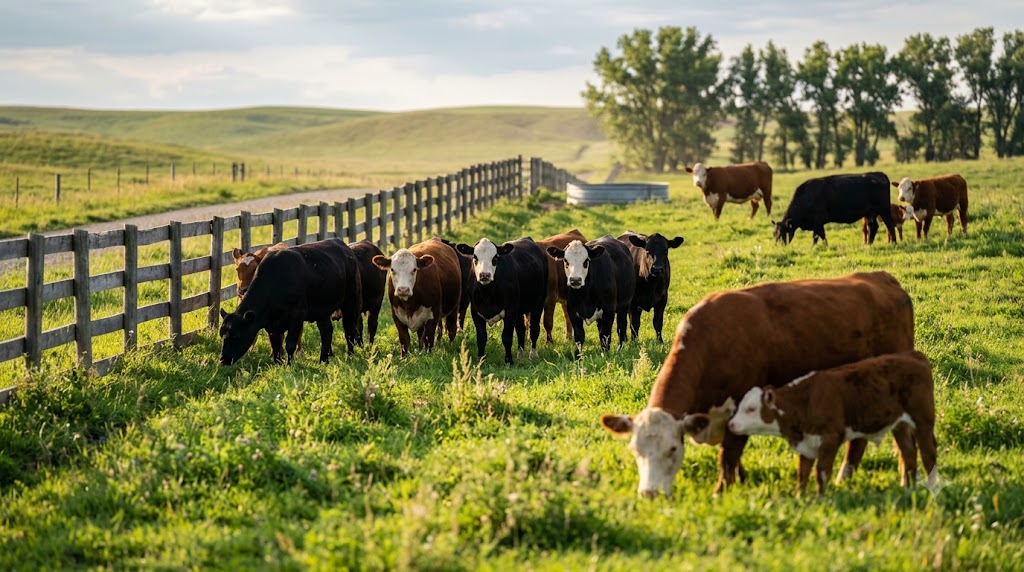
Why Prices Are Easing Even Though Supply Is Still Historically Tight
This is the part of the story that confuses producers who expect tight supply to mean permanently rising prices. Fed cattle prices reportedly peaked near $245 per hundredweight in late 2025, and a CattleFax analyst projected prices would soften only modestly to a range of $212 to $215 per hundredweight for 2026, still historically elevated by any longer-term standard.
More recent developments have accelerated that softening beyond what was originally projected. News of a U.S. packing plant closure and another cutting back to a single shift pushed cattle prices lower, compounded by concerns about softening consumer demand, according to market analysis published by Beefweb.
The USDA’s Economic Research Service confirms this pattern directly, noting that cattle prices continue to decline from spring highs, even as an expanded tariff-free quota for lean beef imports is expected to modestly boost import volumes through the end of 2026.
The key distinction producers need to hold onto: easing prices from record highs is not the same as a supply glut. USDA Undersecretary-level analysts and multiple extension economists continue to describe current conditions as historically strong, just past their cyclical peak, rather than the start of a market collapse.
The Biological Lag Nobody Can Speed Up
Even if every cow-calf producer in the country decided today to begin aggressive herd expansion, the results wouldn’t show up in beef supply for years, a constraint Peel has been especially direct about. Speaking to Drovers, Peel laid out the timeline explicitly: a heifer calf saved in 2026 would be bred in 2027, meaning her calf wouldn’t reach the market until 2028 or later, meaning any decision made today takes a minimum of two full years to show up as additional beef supply.
Justin Tupper, president of the U.S. Cattlemen’s Association, echoed the same structural reality in comments reported by AgAmerica, noting that it can take up to two years for herd rebuilding progress to become noticeable at all, even once producers commit to it.
This is why “prices are high, so producers should just expand” is a misleading oversimplification: the biology sets the floor on how fast this market can actually respond, regardless of price signals.
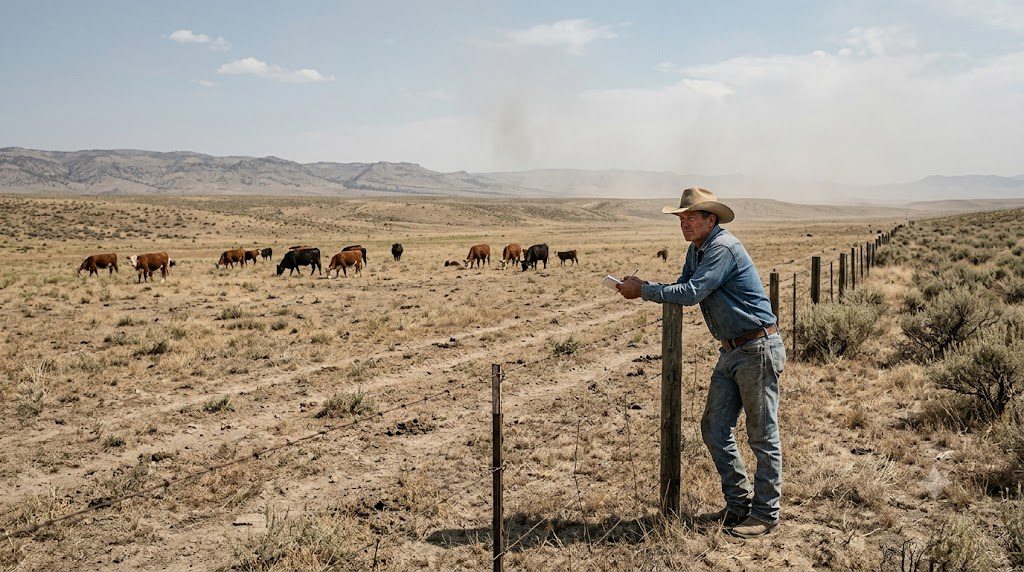
What’s Actually Slowing Rebuilding Decisions
Beyond the biological lag, several structural headwinds are actively discouraging the heifer retention that would need to happen for rebuilding to begin in earnest:
- Drought risk. Severe drought conditions in recent years have forced sharp herd reductions in affected regions, and the threat of another significant drought remains a live concern shaping producer caution, according to Capital Press’s reporting.
- Land costs and availability. Texas A&M economist David Anderson points to drought, urban sprawl, and rising land values as long-running headwinds that make it structurally harder to restock quickly even when rain and prices cooperate, as reported by Drovers.
- Animal health threats. Ongoing concerns including the active New World Screwworm incursion in the southern U.S. are raising costs and production risk in exactly the border regions where restocking decisions matter most, compounding the caution producers already feel about committing capital to expansion.
- Reduced Mexican feeder cattle imports. Import disruptions have tightened feeder cattle supplies further, adding another layer of uncertainty for stocker and feedlot operators trying to plan inventory.
- Political and trade volatility. Tariff changes and trade policy shifts are adding a layer of market unpredictability on top of the underlying supply fundamentals, according to Farm Progress’s coverage of 2026 market conditions.
A Balanced View: The Case For and Against Expanding Now
The case for beginning to rebuild now rests on the fact that 2025 likely marked the cyclical low point for the beef cow herd, and a modest increase in replacement heifer retention suggests at least some producers are cautiously starting to act.
Feed costs have also been falling, which improves the economics of retaining rather than culling breeding stock, and demand for beef remains at record levels by several industry measures, reducing the risk that expanded supply several years from now would arrive into a weak market.
The case for continued caution is just as substantive. Producers who begin retention now are committing capital and forgoing near-term calf sale revenue based on a price environment that may look different in two to three years when their investment actually pays off.
The structural headwinds listed above, drought, land costs, disease risk, and import volatility, haven’t resolved, and several economists explicitly frame 2026 heifer retention decisions as still tentative rather than a confirmed trend.
A 2026 industry survey found 55% of respondents planning to increase cow numbers over the next five years, according to Drovers’ reporting, which reflects real but measured optimism, not a rush to expand.
Neither position is unreasonable. This is a genuine judgment call shaped by each producer’s individual risk tolerance, land base, and regional drought exposure, not a question with one obviously correct answer.
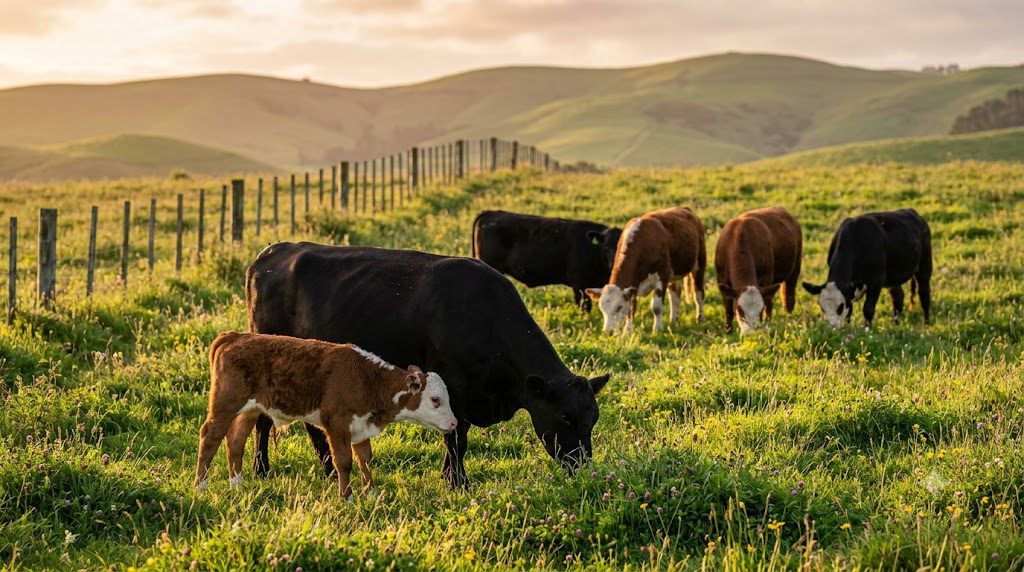
Practical Steps for Producers Weighing Their Next Move
- Separate price optimism from supply reality. Historically strong prices don’t guarantee they’ll remain at current levels two to three years out when a retained heifer’s first calf actually reaches market.
- Factor in the two-year-plus lag explicitly. Any retention decision made today is a bet on 2028 market conditions, not 2026 ones.
- Weigh regional drought and land-cost exposure specifically, rather than relying on national-level price data alone, since these headwinds vary sharply by region.
- Monitor disease risk in your specific region, particularly if you operate anywhere near the current New World Screwworm containment zones in Texas and New Mexico, since outbreak-driven movement restrictions can directly affect restocking plans.
- Track USDA’s semiannual cattle inventory reports directly through the Economic Research Service rather than relying solely on secondhand market commentary, since these reports are the primary data source underlying most industry analysis.
- Reassess this decision annually, not once. Every economist cited in this article frames current conditions as a moving target, not a settled outlook.
Frequently Asked Questions
1. When will the U.S. cattle herd start rebuilding?
Meaningful U.S. beef cattle herd rebuilding is currently expected no earlier than 2027, with some analysis extending the timeline into 2028. The biological lag between retaining heifers and producing additional beef means rebuilding cannot happen immediately.
2. Why is the U.S. cattle herd still shrinking in 2026?
The national cattle herd remains near a multi-decade low because producers have faced drought risk, high land costs, disease concerns, limited feeder cattle supplies, and uncertainty about future market conditions. These factors have discouraged aggressive heifer retention.
3. What is the U.S. cattle inventory in 2026?
The article reports that U.S. cattle inventory stood at approximately 86.2 million head at the beginning of 2026, down 300,000 head from 2025. However, the rate of decline has slowed compared with previous years.
4. Why are cattle prices falling if the cattle herd is still historically small?
Cattle prices can decline even when supplies remain tight. The article identifies factors including packing plant capacity reductions, concerns about consumer demand, and changing beef import conditions as contributors to recent price softening. Prices nevertheless remain historically strong compared with longer-term levels.
5. How long does it take to rebuild a beef cattle herd?
Herd rebuilding takes several years because of cattle’s biological production cycle. A heifer retained in 2026 could be bred in 2027, while her calf would not reach the market until 2028 or later.
6. Should cattle producers retain heifers in 2026?
There is no universal answer. Producers need to consider expected future cattle prices, land availability, feed costs, drought exposure, disease risks, and their own financial position. The article describes current increases in heifer retention as tentative rather than evidence of a confirmed national rebuilding trend.
7. What is heifer retention in cattle production?
Heifer retention means keeping selected female calves that would otherwise be sold so they can enter the breeding herd. Increasing heifer retention is an important part of rebuilding the beef cow herd because it increases the number of future breeding females.
8. What factors are slowing beef cattle herd rebuilding?
Major factors include drought risk, high land costs, limited land availability, animal health threats, reduced Mexican feeder cattle imports, and trade-policy uncertainty. These conditions can make producers more cautious about committing capital to herd expansion.
9. What is the cattle cycle and how long does it usually last?
The cattle cycle describes the recurring expansion and contraction of the U.S. cattle herd. A complete cycle typically takes around 10 to 12 years, although the current cycle has extended beyond that historical range.
10. What should cattle producers watch before expanding their herds?
Producers should monitor USDA cattle inventory reports, cattle prices, heifer retention, regional drought conditions, land costs, feed economics, disease risks, and feeder cattle availability. Because conditions can change substantially over several years, herd-expansion decisions should be reassessed periodically rather than based only on current cattle prices.
11. What is causing the delay in beef cattle herd rebuilding?
The delay is being driven by a combination of biological constraints and producer uncertainty. Drought risk, land costs, animal health concerns, feeder cattle availability, and trade volatility are making producers more cautious about retaining heifers and expanding herds.
12. Will cattle prices remain high during herd rebuilding?
The article does not assume that current high cattle prices will continue. Prices have already eased from their 2025 highs, and producers making retention decisions today need to consider what market conditions could look like when additional cattle reach the market in 2028 or later.
13. How does drought affect cattle herd rebuilding?
Drought can limit forage availability and increase the cost and risk of maintaining breeding cattle. Because drought conditions vary by region, producers need to evaluate their local forage and water situation rather than relying only on national cattle-market conditions.
14. What role does heifer retention play in cattle herd rebuilding?
Heifer retention is a key mechanism for rebuilding the breeding herd. When producers keep more suitable female calves instead of selling them, those animals can eventually enter the breeding herd and produce future calves. However, the resulting increase in beef supply takes several years because of the biological production cycle.
15. What cattle market indicators should producers monitor in 2026 and 2027?
Producers should follow USDA cattle inventory reports, heifer retention, cattle prices, slaughter levels, drought conditions, feed costs, land costs, disease risks, and feeder cattle availability. Monitoring these indicators over time can provide a clearer picture of whether herd rebuilding is actually gaining momentum.
Actionable Takeaways
- Treat any heifer retention decision as a multi-year bet on 2028 market conditions, not a reaction to today’s prices.
- Weigh your specific regional drought and land-cost exposure rather than relying on national averages alone.
- Monitor disease risk, especially proximity to active New World Screwworm containment zones, before committing to expansion.
- Check USDA-ERS cattle inventory data directly and revisit your plan annually, since every credible forecast in this space is explicitly provisional.
Producers weighing these decisions alongside other herd management strategies may find it useful to review Farm Sutras’ guide to sustainable livestock farming solutions for approaches to building a more resilient, diversified operation, and our overview of indigenous Indian cattle breeds and their advantages for producers considering hardier genetics as part of a longer-term rebuilding strategy. Our guide to modern animal husbandry and scientific breeding techniques also covers breeding fundamentals directly relevant to heifer retention planning.
Final Thought
Beef cattle herd rebuilding may begin in 2027 or later, but biology means meaningful supply changes could take until 2028 or beyond. For producers, careful planning, local conditions, and regular monitoring of cattle-market data will matter more than reacting to short-term prices.